Water Level In Water Softener Brine Tank

Let’s be honest: the water softener brine tank is the unsung hero of your laundry room, sitting there like a pale, plastic cousin of a science fair project. You probably walk...

Let’s be honest: the water softener brine tank is the unsung hero of your laundry room, sitting there like a pale, plastic cousin of a science fair project. You probably walk past it, glance at the salt pellets, and think, “Yep, that’s definitely… salty.” But then one day, you pop the lid and see the water level, and suddenly you’re facing a mystery that feels as baffling as why your sock always disappears in the dryer.
The water level in that tank is a Goldilocks situation, but with more irony and less porridge. It should be just right—not so low that your salt turns into a dusty, useless monument, and not so high that it looks like a flooded kiddie pool after a storm. I learned this the hard way when I ignored mine for three months and ended up with a salt bridge that could have supported a small car.
Why the water level matters (and why your shower will thank you)
Think of the brine tank as a giant, lazy coffee maker for your water softener. It needs enough water to dissolve the salt into a brine solution, which then flushes the hardness out of your pipes. If the water’s too low, it’s like trying to make iced tea with just one ice cube—you get a weak, sad result.
Must Read
I once had a neighbor who ignored his water level for so long that his softener started regenerating with what I can only describe as “dry salt dust.” His water felt like sandpaper, and his shower became a personal experiment in mineral buildup. He now checks the tank every Sunday like it’s a sacred ritual.
On the flip side, if the water is too high, you’re basically creating a saltwater marsh inside your home. That can lead to salt bridges—crusty, hardened layers that form like a glacier on top of the brine, blocking everything. You’ll end up with a system that hisses and groans, and you’ll swear it’s plotting against you.
The “perfect” level: a visual guide for the lazy homeowner
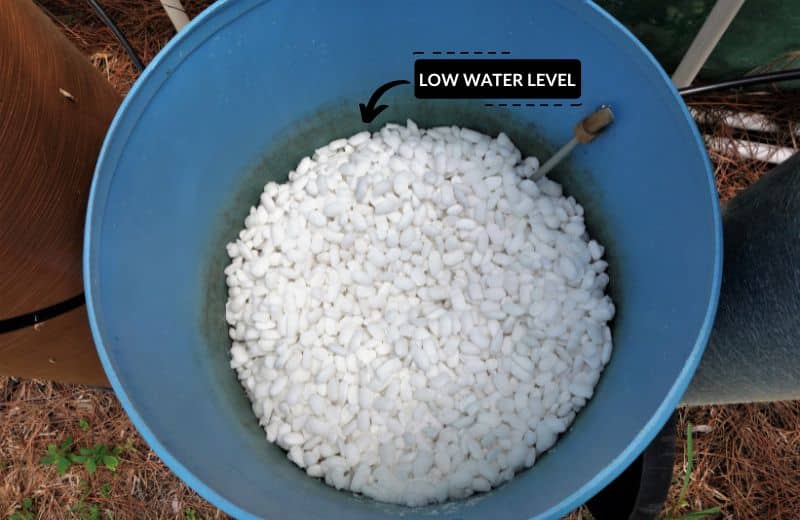
Here’s the cheat code: most modern brine tanks have a fill line printed inside, usually about halfway up the salt level. If you can’t find one, aim for the water to be a few inches above the salt platform—like the way you’d fill a birdbath, but for your pipes.
I once used a Sharpie to mark the inside of my tank with a smiley face at the ideal level. Every time I checked, I’d see the face and think, “Good job, me. You remembered not to flood the house.” It’s a small victory, but it counts.
If the water level is too low—say, below the salt—you’ll see a crusty, dry ring around the tank, like the ring left by a coffee mug on a bad day. That means the salt isn’t dissolving properly, and your softener is basically running on fumes. Time to add water manually, but don’t overdo it—think of it as seasoning a soup, not filling a bathtub.
Signs you’ve messed up (and how to laugh about it)
You know the water level is off when your dishes start looking like they have a mild case of hard water rash—those white streaks that make your glasses look like they’ve been through a dust storm. Or when your laundry feels stiff, like you accidentally glued your socks together.
 What Should Water Level Be In Brine Tank at Tracy Lawson blog
A friend once told me she checked her brine tank and found the water level so high, a small frog could have lived there. She said it explained why her water had a faint “swamp” smell. I didn’t believe her until I saw a photo she posted of a salt bridge that looked like a prehistoric turtle shell.
Don’t panic if you see a little variation—softeners are forgiving, like a lazy dog that still loves you even if you forget to feed it on time. But if the water level is consistently wrong, your softener will eventually give you the silent treatment, and your pipes will start throwing tiny tantrums.
How to fix it without calling a pro (and why you should)
First, check the float valve. It’s the little plastic tower inside the tank that controls water flow. If it’s stuck, the water level can go rogue—up or down. Give it a gentle wiggle, like you’re trying to wake up a sleepy turtle. Nine times out of ten, that’s all it needs.
Second, break up any salt bridges with a broom handle. I know it sounds like a backyard job, but it’s satisfying, like smashing a dungeon wall in a video game. Just be gentle—you don’t want to crack the tank and create a real flood.
And finally, mark your calendar to check the tank every month. I use a phone reminder with the emoji of a water droplet and a salt shaker. It’s silly, but it works. You’ll save yourself from the headache of a $200 service call, and your water will stay as soft as your favorite pajama shirt.
So next time you’re standing in your laundry room, give that brine tank a friendly pat. Understand its water level, and you’ll both live happily ever after—one soft, clean shower at a time. And if you see a frog, maybe just name it and move on.
