Reverse Osmosis Water Filter For Uranium

So, you’re worried about uranium in your water. Yeah, that’s a thing. It sounds like the plot of a bad superhero movie, but it’s actually a real-life concern for folks on well...
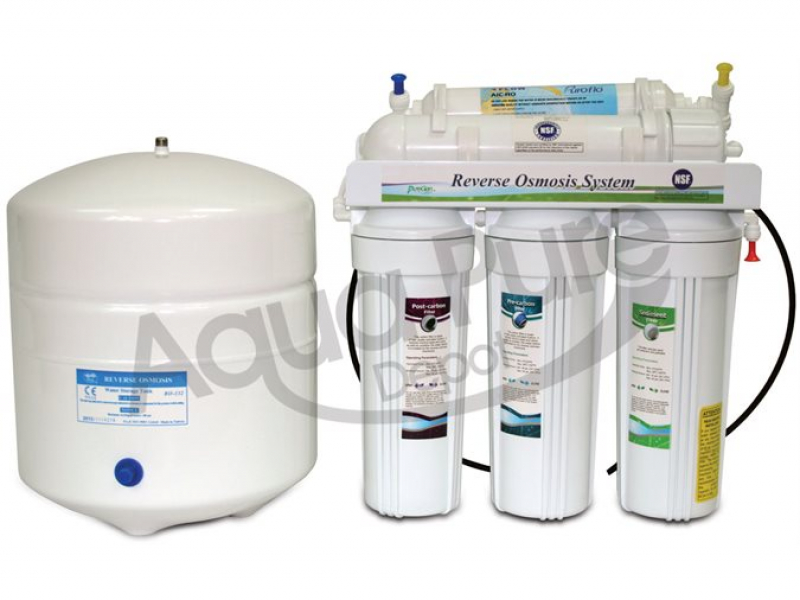
So, you’re worried about uranium in your water. Yeah, that’s a thing. It sounds like the plot of a bad superhero movie, but it’s actually a real-life concern for folks on well water.
Don’t panic. Put down the hazmat suit. The solution is way less dramatic than you’d think: a reverse osmosis (RO) water filter.
Let’s break this down like we’re ordering coffee. First, why is uranium even in your H2O? It sneaks in from natural rock formations.
Must Read
Think of it as the Earth’s way of being a little extra. Rainwater dissolves uranium from soil and bedrock.
Then it just chills in your aquifer. Not exactly invited, right?
Now, how does a reverse osmosis filter handle this radioactive party crasher? Science magic.
No, really. It’s a semi-permeable membrane that acts like a bouncer at a very exclusive club. It says, “Sorry, water molecules only.”
Uranium atoms? Huge in comparison. They don’t fit through the door.
The membrane blocks over 99% of uranium. That’s not a typo. It’s almost everything.
Imagine a sieve so fine it catches a single grain of sand in a swimming pool. That’s your RO system.
So the uranium gets flushed away as waste water. Good riddance.
You get crystal-clear, safe drinking water. You won’t glow in the dark. I promise.
But wait—there’s a catch? Of course there is.
RO systems are thirsty. They waste a bit of water in the process.
For every gallon of clean water, they might send 3 or 4 gallons down the drain. It’s the price you pay for perfection.
Also, they strip out good stuff like calcium and magnesium. That makes your water a little acidic.
But you can add a remineralization filter later. Like putting electrolytes back in your Gatorade.
Don’t let that scare you. Most modern home RO systems come with a booster pump to waste less water.
You can find one that’s efficient. Look for a “permeate pump”—it’s your new best friend.
Is uranium really that bad for you?
Okay, full honesty: it’s not like drinking from a nuclear reactor. But it’s not great.
Uranium is a heavy metal. Long-term exposure can mess with your kidneys.
It’s also a carcinogen. That’s fancy science-speak for “cancer-causing.”
So yeah, you want it out. Your kidneys will thank you later.
How do you know if you have uranium? Get a test!
Buy a home test kit or call your county health department. It’s cheap and easy.
If the test shows uranium above 30 micrograms per liter (the EPA limit), it’s time to act. Don’t ignore it.
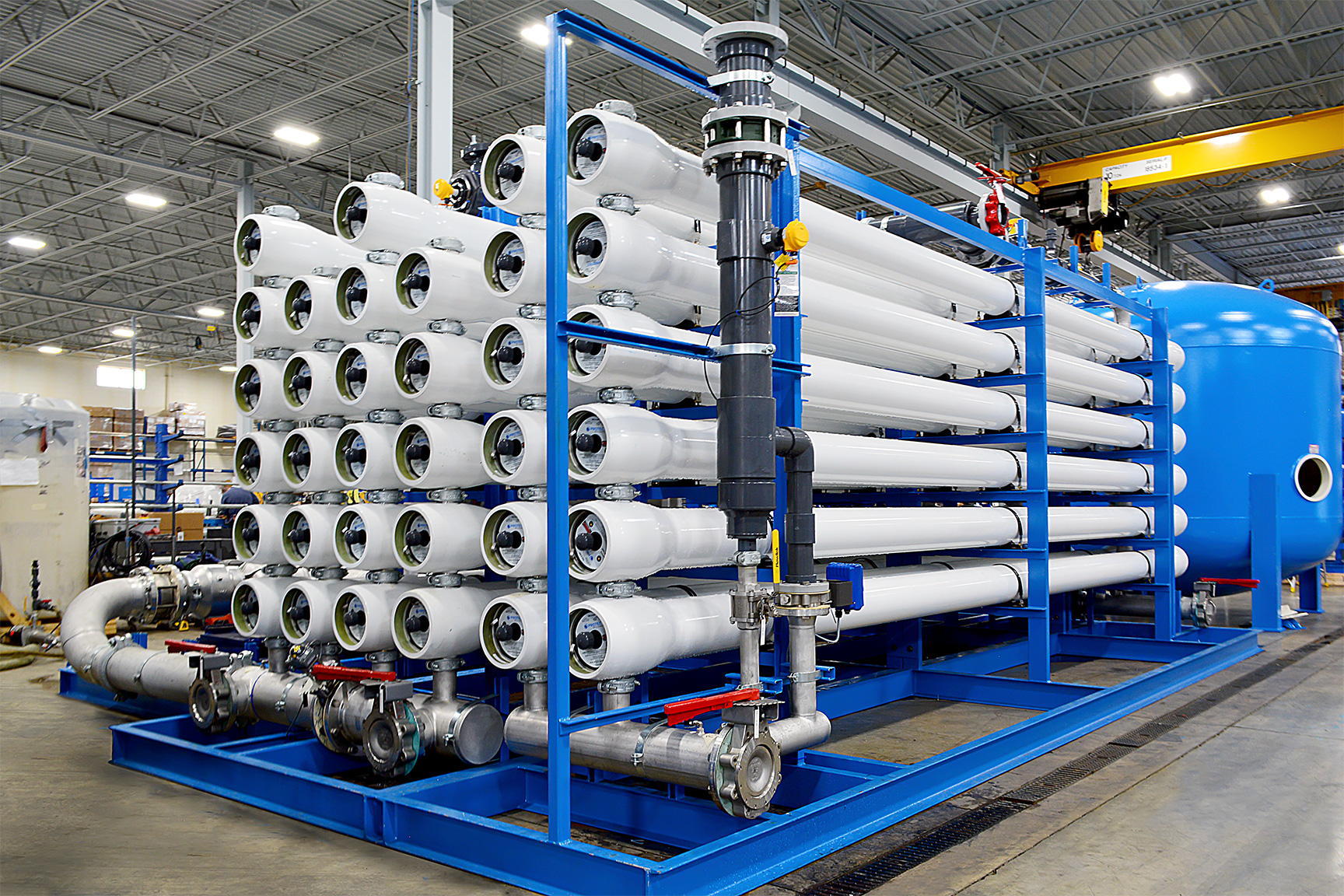 1000-GPM Reverse Osmosis (RO) System | MARLO
Think of it like checking your car’s oil. A simple test saves big headaches down the road.
What to look for in an RO system for uranium
Not all RO filters are created equal. You need one that’s specific for heavy metals.
Check the NSF/ANSI Standard 58 certification. That’s the gold star for uranium reduction.
Look for a system with a carbon pre-filter. It catches chlorine and sediment before they clog the membrane.
You also want a post-filter to polish the taste. Nobody likes watery sadness.
Under-sink units are the most popular. They sit quietly under your kitchen sink like a ninja.
Countertop models exist too, if you rent or hate plumbing. They’re a bit slower, but they work.
Budget-wise, you’re looking at $150 to $500 for a decent one. Not pocket change, but cheaper than a kidney transplant.
Installation is usually DIY-friendly. You screw a few hoses together and yell at one sticky part.
If you’re clumsy (like me), hire a plumber. It’s worth the $100 to avoid a kitchen flood.
But does it taste weird?
Not at all. RO water is actually amazing for coffee and tea.
It’s so pure that you can taste the real flavor of beans or leaves. Your morning cup becomes a fancy experience.
I’m not kidding. I’d drink RO water over tap water any day, even without the uranium scare.
It also makes your ice cubes clearer. Fancy party trick.
One more thing: maintenance. You have to change the filters every 6 to 12 months.
The membrane lasts 2 to 3 years if you pamper it. Set a reminder on your phone.
Ignore the filters, and your uranium-fighting powers fizzle out. Don’t be that person.
So, should you get an RO filter for uranium? If your water tests positive, absolutely.
It’s effective, proven, and way less scary than it sounds. You’ll feel like a water wizard.
And hey, even if you don’t have uranium, RO water is just... better. For everything except houseplants, which might miss the minerals.
But that’s a story for another coffee chat.
So go test your water. Buy a filter. Sleep easy knowing your kidneys aren’t hosting a radioactive party.
You’ve got this. Now, refill your mug—RO water makes great iced coffee, too.
