How Many 169 Fl Oz Should I Drink A Day

Let’s be real for a second. You’ve probably stared at a large bottle of water, seen the label “169 fl oz,” and wondered, “Is this a challenge or a suggestion?” It’s a number t...

Let’s be real for a second. You’ve probably stared at a large bottle of water, seen the label “169 fl oz,” and wondered, “Is this a challenge or a suggestion?” It’s a number that looks more like a gallon jug designed for a desert marathon than a daily hydration goal. Spoiler alert: You don’t actually need to chug this entire bottle in one day, unless you’re planning to win a Gold Medal in peeing.
The 169 fl oz figure is actually a popular marketing size—about 5 liters—often sold as a bulk water container or a trendy smart bottle. But pop culture loves a memorable number, and 169 fl oz has become the internet’s favorite hydration target. Think of it as the “Instagram-worthy” water goal: impressive to post, but not always practical for your real life.
Your Body Isn’t a Pool—It’s a Garden
Health experts, like those at the Mayo Clinic, recommend about 91 to 125 fl oz (3.7 liters) for men and 64 to 91 fl oz (2.7 liters) for women from all fluids daily. That includes water, coffee, tea, soup, and even that juicy watermelon you snack on. So 169 fl oz is roughly 200% of the typical recommendation—a massive overkill for most people.
Must Read
Unless you’re a professional athlete training in a sauna, drinking that much can actually lead to hyponatremia (a fancy word for watering down your blood sodium). It’s the same condition that once sent a marathon runner to the hospital after too many water breaks. Fun fact: In ancient Rome, over-hydration was considered a sign of weakness—gladiators sipped small amounts to stay tough.
The Cultural Myth of the Giant Bottle
We’ve been conditioned by #WaterTok and celebrity influencers who flaunt their 169 fl oz bottles like a status symbol. It’s the “more is better” trap—like ordering a venti latte when a tall will do. But remember, your kidneys can only process about 27 to 34 fl oz per hour.
Imagine your body as a sophisticated espresso machine: input too much water too fast, and it’ll blow steam (and trips to the bathroom). A good rule? Listen to your thirst. Thirst isn’t a failure—it’s your internal sommelier telling you exactly what you need.
Practical Tips for the Real World
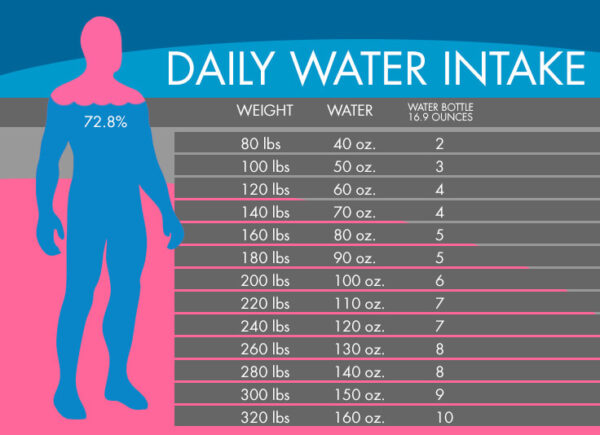
Instead of fixating on 169 fl oz, aim for the “two-thirds your body weight in ounces” rule. If you weigh 150 pounds, that’s 100 oz—far more doable. Carry a 20-oz bottle and refill it five times a day, rather than hauling a gallon jug like a juggernaut.
Pro tip: Check your pee color. If it’s pale yellow like lemonade, you’re golden. If it’s dark like apple juice, drink up. If it’s completely clear like vodka, ease up—you’re overdoing it. This trick works better than any app or bulky bottle.
Add a pinch of sea salt or a squeeze of lemon to your water. This mimics the Himalayan salt trend from yoga studios—it helps with electrolyte balance and makes water taste less boring. Your grandmother’s advice to “drink when you’re thirsty” is actually backed by science: adults naturally regulate fluid intake perfectly without a calculator.
 How Many Fluid Ounces in a Tumbler Cup or Water Bottle | KingStar
Pop Culture Hydration Hacks
Remember in Dune when the Fremen never wasted a drop? You don’t need to be that extreme. Try the “three-bottle method”: one on your desk, one in your bag, one by your bed. Fill each with 16 oz, and you’ll hit 48 oz without thinking—halfway there.
Or channel Beyoncé’s Water Challenge from her Homecoming documentary—she drinks 169 oz during intense rehearsals, but that’s after dancing for hours. For the rest of us, start small. Five glasses of water a day (about 40 oz) is a solid win, and you’ll feel like a hydration rockstar.
The Fun Little Facts Section
Did you know that water makes up about 60% of your body—but your brain is 73% water? That’s why dehydration makes you foggy. Also, cucumbers are 96% water, so a crunchy snack counts toward your goal. Mic drop.
In Japan, there’s a tradition called “Mizu no Kokoro” (Water Spirit), where people sip warm water slowly throughout the day for digestion. It’s the opposite of chugging—and it works. Meanwhile, in Finland, the world’s tap water capital, nobody even thinks about ounces—they just drink when they’re thirsty.
Your Daily Life Connection
So, how many 169 fl oz should you drink a day? The answer is zero—unless you’re in a desert or training for a triathlon. Instead, drink water that feels intuitive. If you’re stuck at a desk, set a timer every hour for a sip. If you’re out for a walk, enjoy the breeze and a small bottle.
Here’s the reflection: Hydration isn’t a competition. It’s a quiet, daily practice of listening to your body—like adjusting your seat in a car until you feel just right. You don’t need to measure every ounce; you just need to pay attention. The perfect water bottle is the one that makes you smile, not the one that makes you run to the bathroom every twenty minutes.
Cheers to that. Drink up—but only as much as you truly need.
