How Long Do Water Softeners Usually Last

Let's talk about water softeners. They’re the unsung heroes of your plumbing. They fight scale, save your appliances, and make your skin feel like silk. But here’s the big que...
Let's talk about water softeners. They’re the unsung heroes of your plumbing. They fight scale, save your appliances, and make your skin feel like silk.
But here’s the big question: How long do they usually last? It’s a great question. And the answer is weirder and more fun than you think.
The Crystal Ball Answer
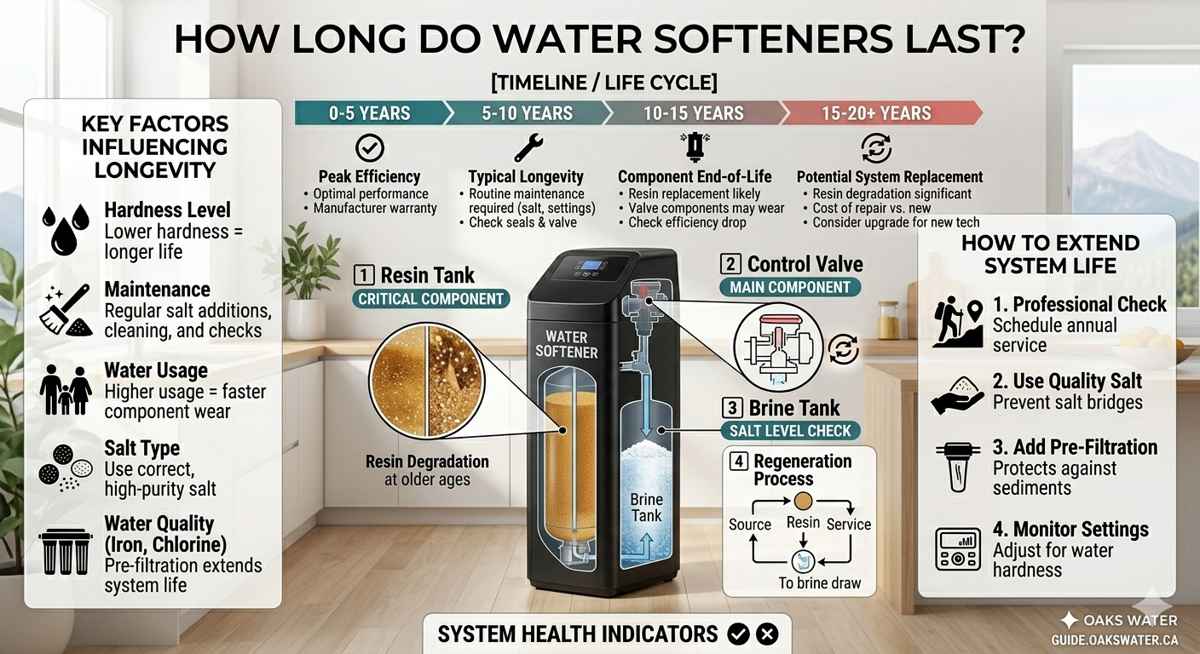
Most water softeners live for 10 to 15 years. That’s the standard range. Think of it like a pet goldfish—but one that does chores.
Must Read
Some last longer. Others die young. It all depends on how you treat them.
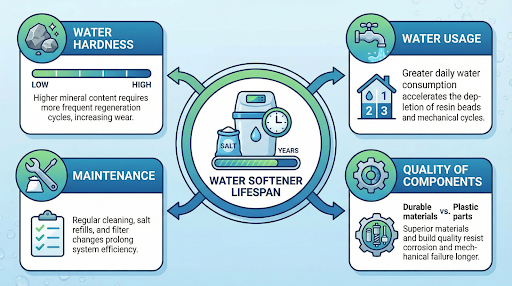
Hard water is brutal. It’s like giving your softener a daily workout with a side of sandpaper.
Why 10 to 15 Years?
The resin beads inside are the real star. These tiny plastic spheres grab calcium and magnesium. Over time, they wear out—like a sponge that’s been squeezed too many times.
Water quality matters. If your water is extremely hard (say, over 15 grains per gallon), the beads break down faster. It’s like running a marathon every day. Your sneakers won’t last long.
The average home has water at 7 to 10 grains. That’s a gentle jog. But every well is different.
The Valve: The Secret Boss
Most people blame the tank. Wrong. The real culprit is the control valve. This plastic or brass brain tells the softener when to regenerate.
Plastic valves are cheaper. They last about 10 years. Brass valves? They can go 20 years. It’s like comparing a toy car to a real one.
Pro tip: If your softener starts acting drunk—rebooting, leaking, or ignoring you—it’s usually the valve. Not the tank. Weird, right?
The Salt Hoax
You know how everyone says, “Use the cheapest salt”? They’re lying. Cheap salt has dirt. Dirt clogs the valve faster than a clogged drain at Thanksgiving.
Use evaporated salt pellets. They’re purer. They cost more upfront, but they double your softener’s lifespan. It’s like buying premium gas for a lawnmower. Trust me on this.
Also, don’t let the salt bridge. That’s when salt forms a crusty shell above the water. It’s gross. It’s like a scab on your machine.
The “I Forgot to Regenerate” Factor
Softeners need a break. They regenerate by flushing saltwater through the resin. If you skip a cycle, the beads get exhausted. It’s like you not sleeping for a week.
A good schedule? Weekly regeneration, even if you’re away. Let the machine dance. It needs that rinse.
Some new smart softeners auto-schedule based on water use. Fancy. But they still die at 15 years. Progress is slow.
The Cheap vs. Expensive Trap
A $400 softener from a big-box store? Expect 5 to 7 years. It’s built with thin tanks and plastic valves. It’s a rental, not a relationship.
 How Long Should a Water Softener Last? Lifespan and Signs of Failure
A $1,500 model from a specialized brand? That’s 15 to 20 years. It’s built like a tank. Literally—some use fiberglass wraps.
But here’s the kicker: a $3,000 softener with a digital screen and Wi-Fi? Still 10 to 15 years. The tech doesn’t last longer than the simple stuff. You’re paying for convenience, not longevity.
The “It Just Stopped Working” Mystery
Softeners don’t die slowly. They die suddenly. One day your water is soft, the next you feel slimy soap scum. It’s like a light bulb that pops.
Why? The resin beads can shatter from overuse. Or a seal in the valve can crack. Either way, it’s a silent failure. No smoke, no noise. Just hard water sadness.
You can test for this. Rub your hands with soap. If they feel slippery but don’t lather, your softener is dead. RIP, old friend.
What About the Brine Tank?
That big white bucket? It lasts decades. It’s just plastic. It only dies if you kick it or a bear attacks it.
But the salt bridge inside? That’s a different story. Check it every month. Smash the crust with a broom. It’s oddly satisfying.
If you ignore it, the softener starves. And then it dies early. Don’t be that person.
The Wild Card: Installation Gremlins
Some softeners die in 3 years. Why? Rotten installation. Plumbers who cut corners—using copper pipes instead of plastic, or forgetting a bypass valve.
Or worse: electrical surges. A lightning strike three houses away can fry the control board. It’s like a heart attack for the machine.
Invest in a surge protector for your softener. Seriously. It’s cheaper than a new unit.
The Final Countdown
Here’s the truth: Water softeners are like cars. Some last 10 years, some 20. It’s about how you drive them. Hard water with lots of iron? That’s rush-hour traffic daily. Soft water in a small family? That’s a Sunday cruise.
Don’t obsess over the exact date. Listen to your water. Does it taste weird? Is your hair sticky? That’s your softener whispering, “I’m tired.”
And when it finally dies? Give it a proper funeral. Thank it for all the clean dishes. Then buy a new one—and use evaporated salt, you glorious fool.
So, how long do water softeners last? 10 to 15 years. But with love, good salt, and a little luck, maybe 20. Now go check your brine tank. And don’t forget to regenerate. Your plumbing is counting on you.
