Commercial Coffee Makers With Water Line

Ever walked into an office break room and seen that gleaming, beastly machine hooked up to a weird little hose? That’s a commercial coffee maker with a water line. And honestl...

Ever walked into an office break room and seen that gleaming, beastly machine hooked up to a weird little hose? That’s a commercial coffee maker with a water line. And honestly? It’s way cooler than it looks.
What Even Is a Water Line?
In the normal world, you pour water into a tank. Up here in the big leagues? The machine does the pouring for you. It’s plumbed directly into your building’s water supply. No refills, no jugs, no running to the sink with a carafe. Sounds like magic, right?
But isn’t that just for massive cafes? Not necessarily. Plenty of offices, small churches, and even fancy home kitchens use these. It’s like upgrading from a bicycle to a self-driving car for your caffeine habit.
Must Read
The “Never Empty” Superpower
Think about the last time you made a pot of coffee. How many gallons of water did you touch? With a water line, you touch zero. The machine just… pulls it. It’s like having a magic well inside your countertop.
This also means you never have to worry about “oops, I forgot to fill the tank” at 7 AM. The machine is always ready. You get that first cup faster than a squirrel finding a nut in fall.
But Wait—Won’t It Scale Up Like Crazy?
Ah, the big worry. Tap water has minerals. Minerals build up. But here’s the secret: these machines come with fancy water filters. They usually hook right into the line. That filter removes the gunk that kills normal drip machines.
So while your old Mr. Coffee might choke on hard water after six months, a plumbed-in unit purrs along for years. It’s like giving your coffee maker a daily spa treatment instead of a sandstorm.
Flow Rate and the Myth of “Fast” Coffee
You might think a water line makes coffee faster. Surprisingly, no. The extraction still takes the same time. But the cycle time—the time between pots—gets insanely short. That’s why cafes can serve a hundred cups an hour without breaking a sweat.
For you at home? It means you can brew a pot, drink a cup, and brew another immediately. No waiting for the tank to cool and refill. It’s like having a Formula 1 pit crew for your mug.
The Taste Factor: Is It Better?
Here’s a fun comparison: tap water is like generic store-brand soda. Filtered water from a water line is like craft cola made with real sugar. The filter strips out chlorine and off-flavors, letting the coffee beans shine.
Your morning brew might actually taste cleaner. Less bitter. More notes of “woah, this is good.” Some people even say it ruins them for regular drip coffee. You’ve been warned.
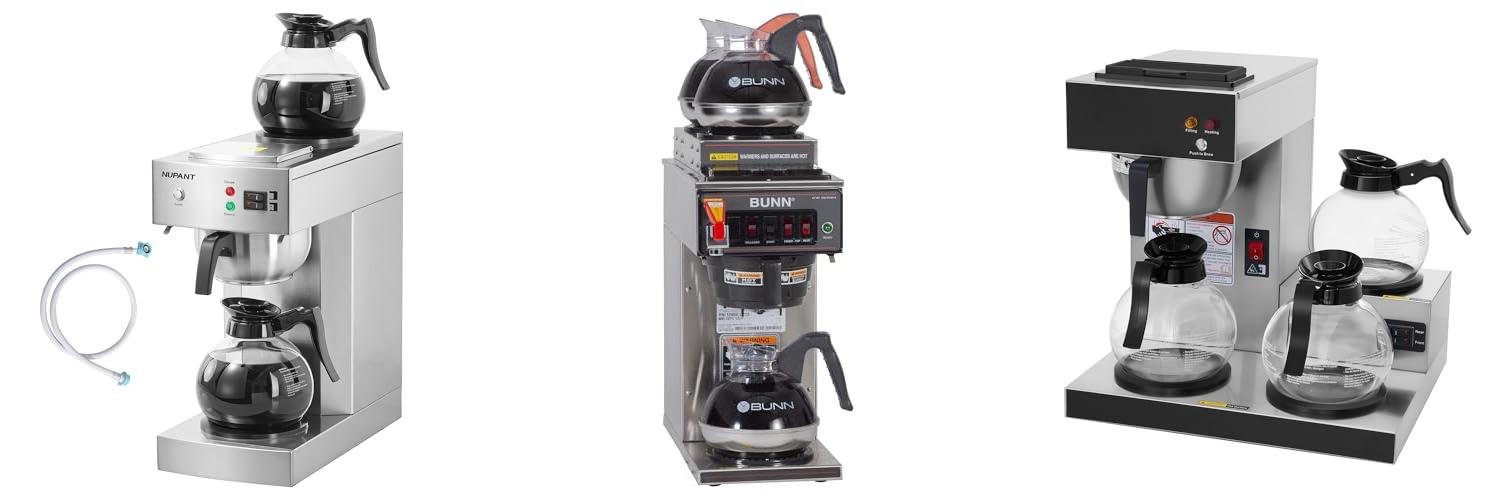 Top 5 Commercial Coffee Makers With Water Line - My Grinder Guide
The Elephant in the Room: Installation
Okay, you can’t just plug these in. You need a water line (usually under the sink) and sometimes a drain. This might mean getting a plumber involved. But once it’s done? It’s like having a permanent faucet for coffee.
Many commercial units also include a hot water dispenser. That means you can make tea, oatmeal, or ramen noodles instantly. It’s not just a coffee maker—it’s a tiny water utility for your entire morning.
Who Actually Buys These?
You’d be surprised. Yes, big offices and diners. But also remote tech startups with a kitchen budget. And some serious home enthusiasts who treat caffeine like a hobby. It’s the kind of purchase that makes your friends go, “You have a what in your kitchen?”
And the price tag? A decent commercial unit starts around $1,500. That’s a lot for coffee, but consider: no more buying bottled water, no more throwing away old drip machines. It’s a long-term relationship, not a fling.
But Isn’t It Overkill?
Maybe. But so are stand mixers that cost $600 or a grill that hits 700 degrees. Some things just make life feel better. A plumbed-in coffee maker eliminates friction. It turns “making coffee” into “coffee appears.”
Honestly, the best part might be the sheer laziness. You walk over, press a button, and magic water flows from the walls. It’s like living in a science fiction novel, except the future tastes like a dark roast.
The Final Sip
So, should you get one? If you drink more than three cups a day, or you’re tired of refilling tanks, yes. It’s a small luxury that pays you back in saved time and better brew. Start with a filtered water line to a normal machine to test the waters—pun very intended.
Or go full commercial and never look back. Your countertop becomes a caffeinated command center. And the next time someone asks why you have a hose hooked up to your coffee maker, just smile and say, “Because I don’t like waiting for my happiness.”
