Are Bpa Free Water Bottles Safe To Reuse

We’ve all been there: clutching a dented BPA-free water bottle like a security blanket, refilling it for weeks on end. It’s the eco-friendly choice, the smart choice, the one...
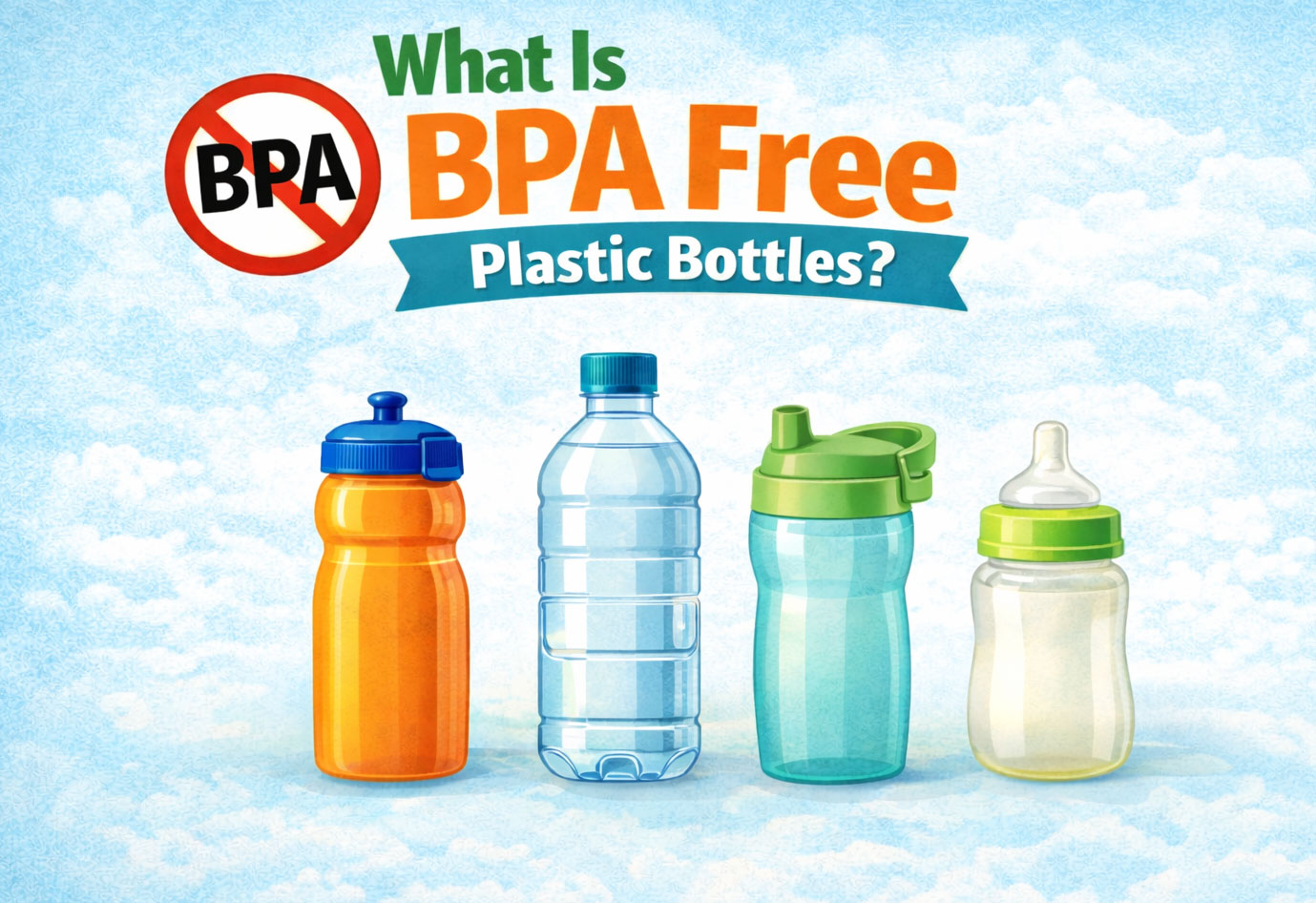
We’ve all been there: clutching a dented BPA-free water bottle like a security blanket, refilling it for weeks on end. It’s the eco-friendly choice, the smart choice, the one that promises freedom from that scary-sounding chemical. But as you unscrew the cap for the hundredth time, a tiny voice whispers: Is this actually safe? Let’s crack open the truth with a little style and sass.
The BPA-Free Hype: What’s the Real Deal?
First, a quick flashback: BPA (bisphenol A) was the villain of the 2010s, linked to hormone disruption and general panic. The industry responded with a marketing masterstroke: “BPA-Free!” bottles, which became the chic accessory for yogis, hikers, and office warriors alike. But here’s the plot twist: BPA-free doesn’t mean chemical-free. Many substitutes, like BPS or BPF, are chemical cousins with eerily similar effects on our cells.
Reuse is the heart of the matter, and the short answer? Yes, but with conditions. Think of your bottle like a pair of perfect jeans—awesome until they get holes, weird stains, or a funky smell. The same logic applies here: material matters, and so does your cleaning game.
Must Read
Plastic vs. Metal vs. Glass: The Battle Royale
Let’s break it down by tribe. Plastic bottles (even BPA-free) are the lightweight, nomadic friend—great for a day trip, but they don’t age well. Over time, tiny scratches from washing (or dropping it on the gym floor) create micro-crevices where bacteria throw a party. Worse, repeated heat exposure—like leaving it in a hot car—can leach those substitute chemicals into your water. Fun fact: a study from the University of Florida found that BPA-free plastic still released estrogen-mimicking compounds after being exposed to sunlight or boiling water. Yikes.
Stainless steel and glass are the VIPs of the water bottle world. They don’t scratch as easily, resist heat, and don’t host bacteria potlucks. Glass is a bit fragile (RIP to my favorite mason jar bottle after a sidewalk tumble), but steel is the tank: it’s insulated, durable, and famously BPA-free without the chemical drama. Pop culture nod: Legally Blonde’s Elle Woods would absolutely carry a sleek steel bottle to court, because hydration is a power move.
Real Talk: The Risks of Old Bottles
Here’s the gritty truth no influencer wants to tell you: bacteria loves damp, dark places, and your bottle’s screw cap or straw is a five-star resort. A 2017 study found reusable bottles can harbor more germs than a dog’s water bowl. (Yes, you read that right.) The culprit is biofilm—a slimy layer of microbes that forms when you don’t wash your bottle daily with hot soapy water. If you’re using a plastic bottle that’s cracked, warped, or smells like last Tuesday’s smoothie, it’s time to say goodbye.
Practical tip: Swap your plastic bottle every 6 to 12 months, even if it looks fine. Metal and glass can last years, but give them a deep clean weekly with a bottle brush and a splash of vinegar. For a 2024 twist: try a UV-C sanitizer lid—it’s like a spa day for your vessel.
How to Reuse Like a Pro (and Not a Pantry Rebel)
Ready to level up? Here are three golden rules. First, know your plastic code. Flip over your bottle and look for the recycling triangle. If it’s #2 (HDPE) or #5 (PP), you’re in decent shape. #7 often signals the “other” category, which can include BPA-substitutes. Avoid #7 for long-term use. Second, never run your bottle through the dishwasher if it’s single-wall plastic—high heat degrades it faster. Hand wash with mild soap, and use a straw cleaner tool for those tricky crevices.
 Are Great Value Water Bottles Bpa Free? Yes!
Third, rotate your bottles like a wardrobe. Keep one for the gym, one for the office, and one for nature hikes. This reduces wear-and-tear on any single bottle. And if you’re feeling extra—grab a bottle with a copper or silver-infused interior. Brands like LARQ or S’well make antimicrobial options that look like art pieces. Practicality meets aesthetic.
Pop Culture and the Hydration Aesthetic
Let’s not ignore the vibe. Reusing a BPA-free bottle has become a status symbol of mindful living, right up there with sourdough starters and thrifted blazers. On TikTok, #WaterTok crowning the perfect bottle is a full genre. The irony? Many of those viral “affordable” plastic bottles—like the ones from Amazon or Target—are made in bulk, with chemical profiles that shift based on production batches. Trust but verify.
Fun fact: The average American uses about 167 disposable water bottles per year, but switching to a reusable one—even plastic—saves roughly 1,460 single-use bottles in five years. That’s the environmental equivalent of planting a small tree. But for your health, treat your bottle like a good party guest: enjoy it, but don’t let it overstay its welcome.
The Final Sip: A Reflection
In the end, the safety of reusing a BPA-free bottle comes down to intention. Are you using it daily, lovingly cleansing it, and retiring it before it fades into a science experiment? Or is it the same battle-scarred plastic companion you’ve had since 2019, chilling in your car’s cupholder under a layer of dust? The answer is neither to panic nor to perfection, but to stay curious.
So here’s to your next refill: a little smarter, a little cleaner, and a lot more stylish. Your body—and the planet—will thank you for the upgrade. Cheers to that, from your favorite reusable vessel to mine.
