What Do Carbon Filters Remove From Water

Picture this: you’re standing in the kitchen, ice cubes clinking in your glass, tap water flowing like a dubious promise. You’ve heard about carbon filters, those little black...
Picture this: you’re standing in the kitchen, ice cubes clinking in your glass, tap water flowing like a dubious promise. You’ve heard about carbon filters, those little black bricks of magic. But what do they actually remove from water—besides your lingering doubts?
Let’s start with the big, scary stuff that carbon filters tackle. Chlorine is the main event—the chemical that makes your water smell like a public swimming pool after a cannonball contest. Activated carbon gobbles it up like a teenager at a pizza buffet, leaving your water tasting clean and pool-free.
The Nasty Trio: Chlorine, Sediment, and Bad Vibes
First up: sediment. Think tiny particles of dirt, rust, and the occasional stray fleck of plumbing. A carbon filter catches these like a bouncer at a club—“Sorry, grit, you’re not on the list.” Your water comes out smoother than a jazz saxophone solo.
Must Read
Then there are the volatile organic compounds, or VOCs. That’s science-speak for funky chemicals you don’t want in your tea. Things like pesticides, industrial solvents, and the ghost of that old painting project—poof—they’re gone. Your water becomes an oasis of purity.
Surprise! It Doesn’t Remove Everything
Here’s where the plot twists: carbon filters are not superheroes. They won’t zap away heavy metals like lead or mercury. For that, you need a reverse osmosis system or a very expensive hug from a plumber. Think of carbon as the friendly neighbor who takes your paper towels but draws the line at helping move a sofa.
And minerals? Calcium, magnesium, that good stuff that builds strong bones? Carbon filters leave them right where they are. So if you like your water with a hint of mineral crunch—like a fancy spa—you’re in luck. If you want distilled-water silence, keep walking.
The Real Villain: Taste and Odor
The average tap water has about 10 to 50 times more chlorine than a swimming pool, says the EPA—though only a mad scientist would drink pool water. Carbon filters make your water not smell like a science experiment gone wrong. You’ll finally be able to sip your morning coffee without wondering if a plastic cup chewed on the rim.
Odors from decaying organic matter? GONE. That “how old is this pipe” funk? EVAPORATED. Your water will taste so good, you’ll start offering it to guests like you’re a sommelier: “Notes of crisp mountain spring, with a whisper of modern municipal efficiency.”
But Wait—There’s Bacteria
Good news: carbon filters are not a breeding ground for bacteria if you change them on time. Bad news: if you let them sit for six months, they become a tiny petri dish of regret. Carbon soaks up germs, yes, but it also soaks up the food germs need to party. So change the filter every three months—like refreshing a fish tank, but grosser.
Surprising fact: some high-end carbon filters can also trap microplastics. That’s right—the same stuff that’s in your toast, your exfoliating scrub, and apparently the Arctic. Carbon can snag particles down to about 1 micron, which is smaller than a human hair but still big enough to say “no thanks” to plastic confetti.
 Function Of Charcoal In Home Made Filter at Charlie Ortega blog
The Great Weirdness: Pharmaceuticals
Carbon filters are surprisingly good at removing trace pharmaceuticals—like leftover antibiotics or caffeine that’s been flushed down the drain. One study found that a simple carbon filter can remove up to 90% of certain drugs. So your water won’t accidentally turn you into a jittery zombie or give you leftover penicillin. You’re welcome, future.
But don’t expect carbon to handle nitrates or fluoride. Those are like the uninvited guests at a party—carbon’s too polite to kick them out. If you live near farmland or big cities, you might need a different filter for nitrates. And fluoride? That’s a debate for your next dinner party, not your water filter.
Size Matters: The Carbon Pore Zoo
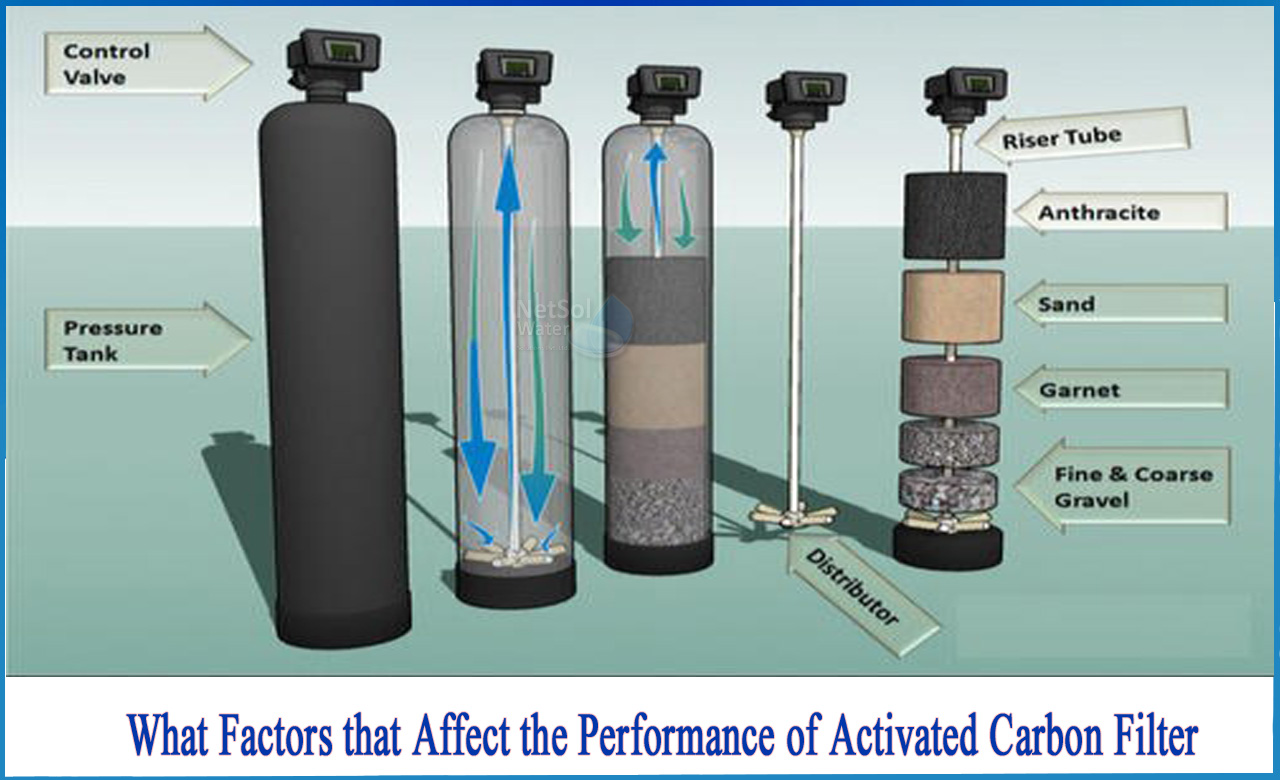
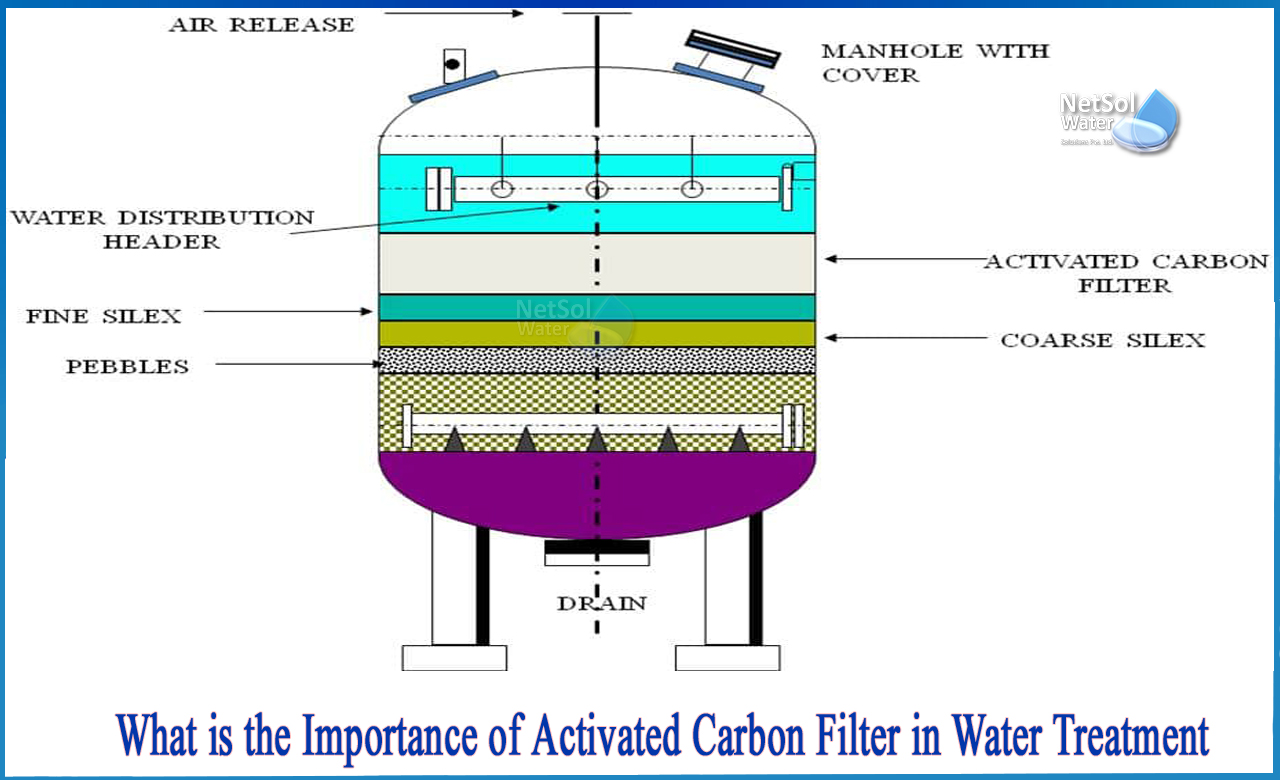
Activated carbon is like a sponge with a thousand tiny caves. Each gram has a surface area the size of a football field—yes, literally. Inside those caves, contaminants get trapped by electrostatic forces and adsorption. It’s like catching a fly in a sticky web, but you never have to clean up the web.
That’s why one cubic inch of activated carbon can trap as much pollutant as a thousand times its weight in water. It’s like a superhero who eats too much and never gets fat—your tax dollars should be proud.
So, What’s the Verdict?
Carbon filters are the unsung heroes of your tap water. They remove chlorine, bad tastes, weird smells, and nasty organic chemicals. They leave behind minerals, most heavy metals, and fluoride—but that’s okay because you’re not a lab rat.
If you want water that’s crisp, clear, and doesn’t taste like a chlorine kiss, a carbon filter is your friend. Just remember: change it regularly, or you’ll be drinking from a sponge that’s seen things. And nobody wants that.
Now go fill your glass—you’ve earned a sip of the good stuff. Cheers! 🥤
