Commercial Ozone Water Treatment Systems

You’ve probably heard the buzz around ozone—the crisp smell after a thunderstorm, the layer of atmosphere we’re all supposed to keep safe. But what if I told you that same mol...
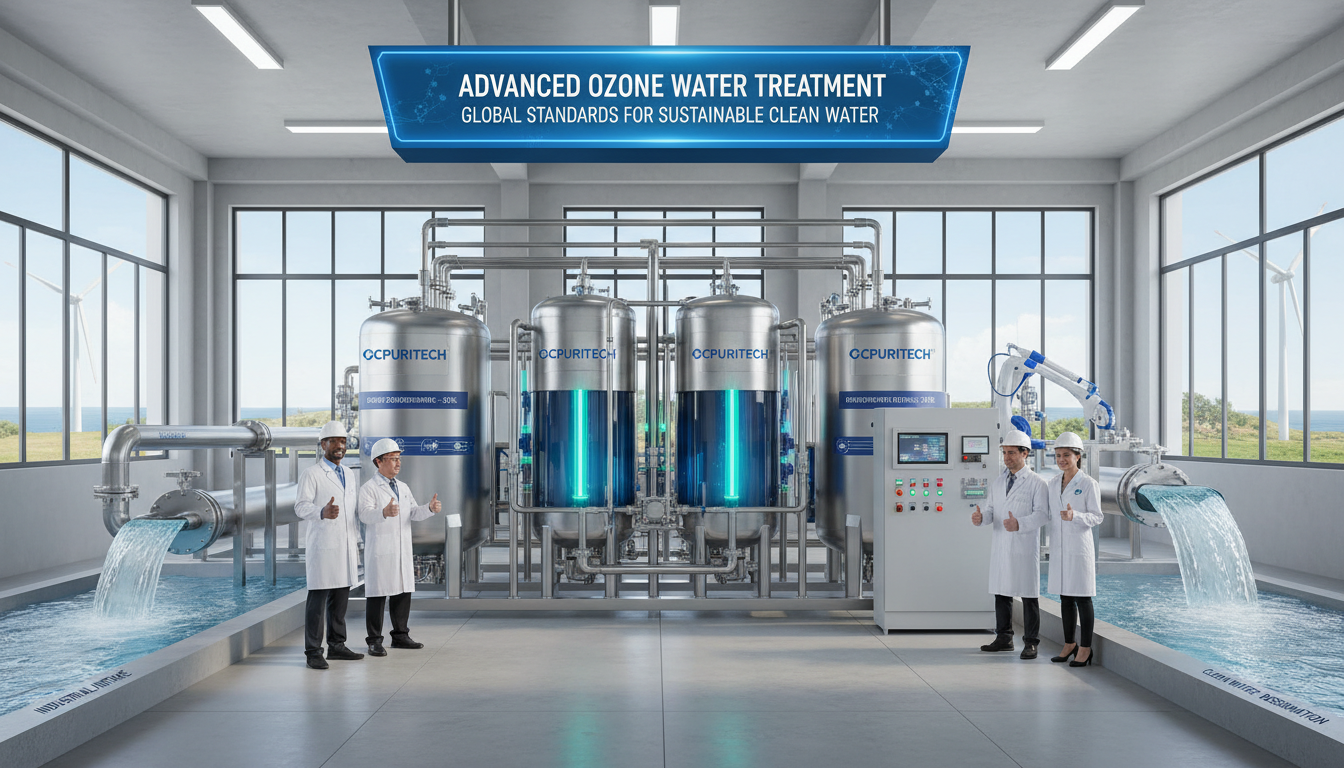
You’ve probably heard the buzz around ozone—the crisp smell after a thunderstorm, the layer of atmosphere we’re all supposed to keep safe. But what if I told you that same molecule, O₃, is now quietly revolutionizing the water you use to wash your lettuce, clean your countertops, and even hydrate your houseplants? Welcome to the world of commercial ozone water treatment systems, where science meets a vibe of effortless purity.
What Exactly Is Ozone Water Treatment?
Think of ozone as nature’s turbo-charged cleaner. It’s a gas composed of three oxygen atoms that acts like a blazing meteor for bacteria, viruses, and unpleasant odors. When we inject it into water, it oxidizes contaminants on contact, breaking them down into harmless oxygen and organic byproducts. Unlike bleach or chlorine, it leaves zero chemical residue—just squeaky-clean H₂O that tastes like nothing at all.
These systems are popping up in everything from high-end juice bars and breweries to hotel laundry rooms and organic farms. The process is fast, efficient, and surprisingly low-maintenance, which makes business owners breathe a little easier.
Must Read
Why It’s Suddenly Everywhere (and Why You Should Care)
Our collective obsession with wellness culture—think cold plunges, sourdough starters, and “clean” beauty—has spilled over into our faucets. We don’t just want water that’s safe; we want water that feels alive. Ozone treatment delivers that vibe without the chemical hangover.
Plus, there’s a sustainability flex here. Ozone breaks down back into oxygen within minutes, so you’re not dumping harsh compounds into the local water table. It’s the eco-warrior’s power move, the Gwyneth Paltrow-approved shortcut to a guilt-free kitchen.
The Cool Science: How It Works in 30 Seconds
Imagine a small appliance that zaps ambient oxygen with a high-voltage electrical charge—like a tiny, controlled lightning bolt inside a box. That “corona discharge” creates ozone gas, which is then bubbled into your water supply.
The second it hits the water, ozone gets to work oxidizing bacteria, molds, and even tough pesticide residues. In about 20 minutes, it’s gone, leaving only a faint whisper of that fresh-rain smell. It’s basically a room-temperature spa treatment for your tap.
Practical Tips for the Curious Convert
Thinking of dipping your toes into the ozonated pool? Start small. If you run a café or restaurant, install a commercial unit at your prep sink—it’ll extend the shelf life of berries and herbs by days. True story: some high-end grocers use ozone spray on leafy greens to keep them perky for an extra week.
For home use, look for countertop models that connect to your faucet or standalone pitchers with built-in ozone generators. Remember: ozone is potent gas, so never use it in concentrated form for drinking water without a proper system that lets the gas dissipate. Safety first, cool factor second.
One more pro tip: always test your water first. Ozone works best on water that isn’t overloaded with iron or manganese—those minerals can interfere with the process. A simple water quality test kit costs about 20 bucks and saves you from disappointment.
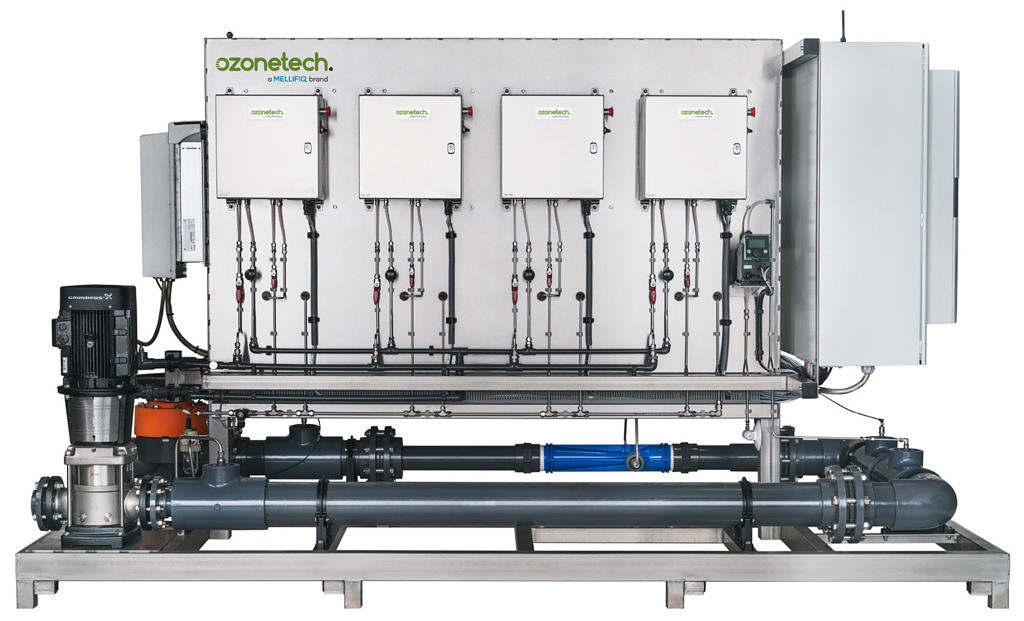 High Capacity Ozone System for Industrial Water Treatment
Cultural Shout-Outs and Fun Facts
Did you know that the first municipal ozone water treatment plant opened in 1906 in Nice, France? That’s right—the French were sipping ozonated water while the rest of us were still boiling kettles over open flames. Oui, s’il vous plaît.
In Japan, ozonated water is a standard in many onsen (hot springs) to keep baths pristine without harsh chemicals. And if you’ve ever wondered why bottled water from certain premium brands tastes so “clean,” there’s a good chance ozone played a role. It’s the silent celebrity cameo in your hydration story.
Here’s a mind-bender: ozone is used to treat the water in the International Space Station. Astronauts rely on it to recycle every drop of moisture—sweat, breath, even coffee leftovers—into drinking water. If it’s good enough for floating bubble-sippers in zero gravity, it’s probably good enough for your quinoa.
The Elephant in the Room: Cost and Maintenance
Let’s be real—commercial ozone systems aren’t a steal at the secondhand store. A solid unit for a small business runs between 1,500 and 5,000 dollars. But think of it as an investment in peace of mind, fewer chemical purchases, and a longer life for your countertops.
Maintenance is refreshingly chill. You’ll need to replace the ozone tube (called a “dielectric”) once a year or so, and clean the air filter monthly. That’s about it. No toxic jugs to store, no messy mixing ratios, no rubber gloves required. It’s the Marie Kondo of water sanitation: simple, effective, and joy-sparking.
A Final Reflection to Carry Home
We spend so much of our lives trying to strip away the unnecessary—the clutter, the stress, the chemicals in our food. Ozone water treatment feels like a small, almost poetic extension of that impulse. It’s using nature’s own lightning to remind us that purity doesn’t have to be harsh.
Next time you take a sip of water from a glass that’s been ozonated, pause for a second. That clarity isn’t just absence; it’s a quiet, invisible power doing its work. It’s the subtle upgrade you never knew you needed, like a good pair of socks or a perfectly ripe avocado.
So go ahead, embrace the quiet hum of the machine. Your water—and your soul—will thank you.
