Whole House Water Filter System For Home

The other morning, I poured myself a glass of tap water, took a sip, and immediately felt like I’d just licked a swimming pool. You know that sharp, bleachy aftertaste that ma...

The other morning, I poured myself a glass of tap water, took a sip, and immediately felt like I’d just licked a swimming pool. You know that sharp, bleachy aftertaste that makes you question whether you’re hydrating or disinfecting your insides? Yeah, that one. I stared at the glass, sighed, and thought: Is this really what I’m paying for?
The moment I realized my water was lying to me
It wasn’t just the taste. I noticed white crusty buildup on my kettle, my showerhead started sputtering like an old man, and my skin felt like sandpaper after every bath. That’s when I discovered—hard water, chlorine, and a cocktail of sediment were secretly sabotaging my home. And honestly? I was done being gaslit by my own plumbing.
So I started researching whole house water filter systems. (Yes, I fell down that rabbit hole at 2 AM—don’t judge.)
Must Read
Turns out, a whole house filter isn’t just a fancy box you bolt to your pipes. It’s like giving your entire home a spa day, every day. From the kitchen sink to the shower, every drop gets polished before it touches you or your stuff.
What a whole house system actually does (spoiler: it’s a lot)
Imagine a bouncer standing at the front door of your house, checking every water molecule for ID. That’s the filter. It catches rust, dirt, chlorine, chemicals, and even heavy metals like lead before they reach your faucets. Your water heater thanks you. Your coffee machine thanks you. Your hair? It will definitely thank you.
And no, this isn’t the same as a pitcher filter sitting in your fridge. Pitcher filters are like putting a band-aid on a broken leg—they only treat what’s in that one glass. A whole house system tackles the entire supply entering your home.
You know that weird orange stain on your toilet bowl? Gone. That chlorine smell that hits you in the face during a hot shower? Vanished. It’s like living in a premium hotel, but without the mini-bar robbery.
But wait—does it really matter for your health?
Here’s the kicker: your skin and lungs actually absorb water contaminants faster than your stomach does. A hot shower opens your pores and creates steam, so you inhale whatever’s in that water. Chlorine byproducts? Yeah, you’re basically giving your respiratory system a chemical bath. A whole house filter stops that nonsense at the source.
Plus, let’s talk about your laundry. Ever notice your white shirts turn gray after a few washes? That’s hard water minerals clinging to the fibers like an ex who won’t leave. Filter the water, and your clothes stay actually clean. I’ve saved so much on detergent, I’m almost mad I didn’t do this sooner.
The not-so-fun part: installation and cost
Alright, I won’t sugarcoat it—installing one of these isn’t a weekend DIY project if you’re not handy with pipes. You’ll likely need a plumber, unless you really enjoy water spraying your face while you curse at YouTube tutorials. Expect to spend anywhere from $500 to $3,000 for the unit, plus installation. Painful? A little. But compare that to buying bottled water for every drink, shower, and load of laundry. Do the math on that.
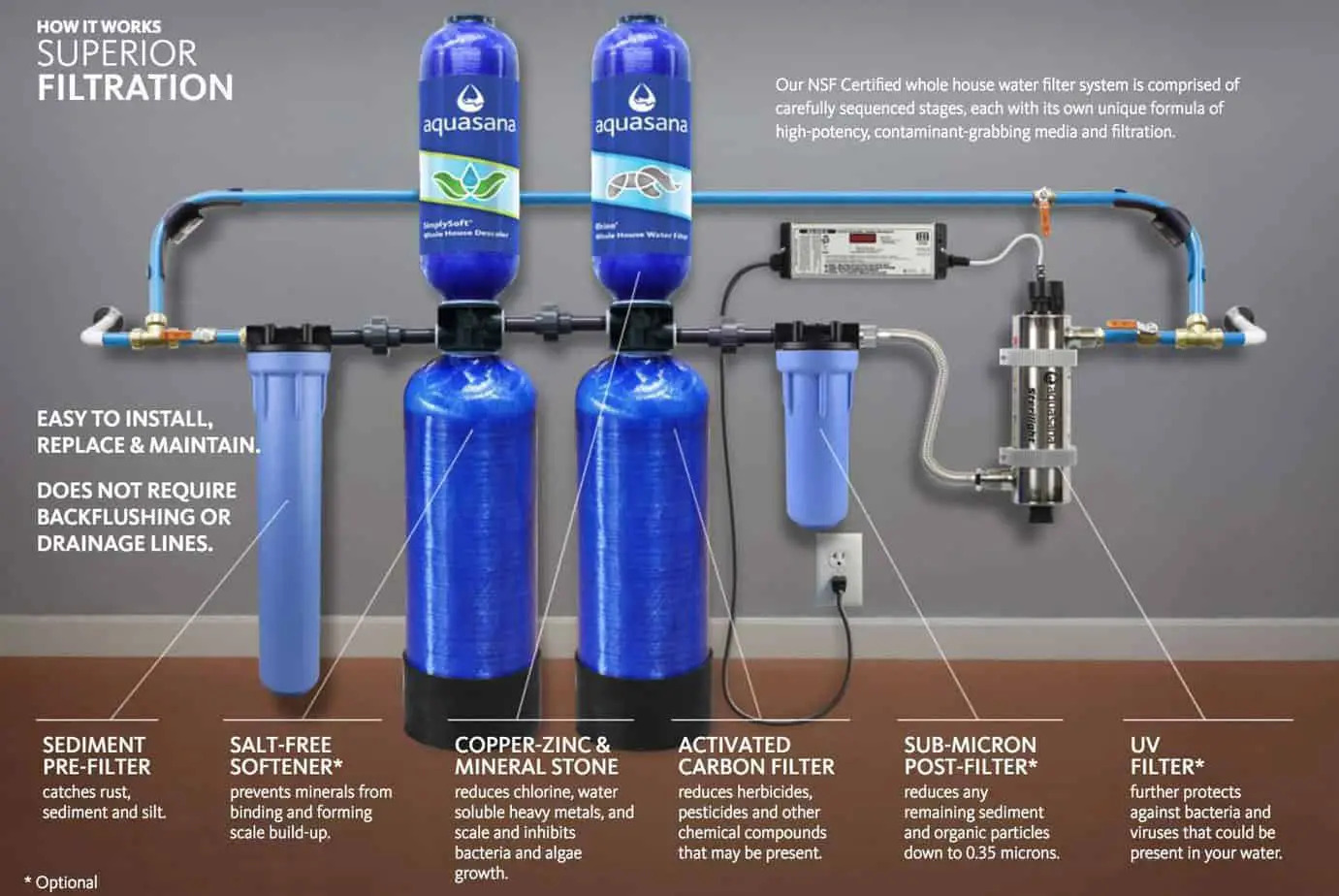 WHOLE HOUSE WATER FILTERS - Express Drainage Solutions
And here’s the irony I love: most people spend more on their coffee maker than on the water going into it. Priorities, people!
What type should you get? (quick and dirty guide)
There are three main flavors: sediment filters (catch big junk like sand), carbon filters (remove chlorine and bad tastes), and reverse osmosis systems (the nuclear option for ultra-pure water). Most homes do well with a combo—carbon plus a sediment pre-filter. If you have well water, you might need a whole different beast with iron and sulfur removal.
Honestly, just get a water test kit (they’re $15 online) before you buy anything. Knowing what’s actually in your water is half the battle. The other half? Stop drinking pool water.
Real talk: the ups and downs
I’ll be honest—my shower pressure dropped a tiny bit after installation. Not terrible, but noticeable. Also, you have to replace the filters every 6 to 12 months, which is another $50 to $150 a year. But you know what I don’t have anymore? Scaling on my faucets. Or dry, itchy skin. Or the sneaky fear that I’m accidentally washing my hair with bleach.
Oh, and my dog stopped refusing her water bowl. She’s a diva, but now she’s a hydrated diva.
So, should you get one?
If you’ve ever winced at the taste of your tap water, scrubbed a crusty showerhead, or wondered why your skin feels tight after a bath—yes, you should at least explore it. It’s not a miracle machine, but it’s pretty darn close. Your pipes, your appliances, and your morning glass of water will all thank you.
Besides, isn’t it weird that we filter the air in our homes but not the water running through them? Just food for thought. And cleaner water for drinking.
