Compare Whole House Water Filter Systems

So, picture this: it’s 6 AM, I’m half-asleep, and I pour myself a glass of water from the tap. I take a big gulp and immediately taste swimming pool mixed with a hint of metal...
So, picture this: it’s 6 AM, I’m half-asleep, and I pour myself a glass of water from the tap. I take a big gulp and immediately taste swimming pool mixed with a hint of metal—not exactly the refreshing start I was hoping for. My husband mumbles, “Maybe we should just move to a mountain spring,” and I stare at him, thinking, “Or maybe we fix this mess in our pipes.” That morning, I started my deep dive into whole house water filter systems—because honestly, who has time to move to a mountain?
The “Whole House” Promise: What’s the Big Deal?
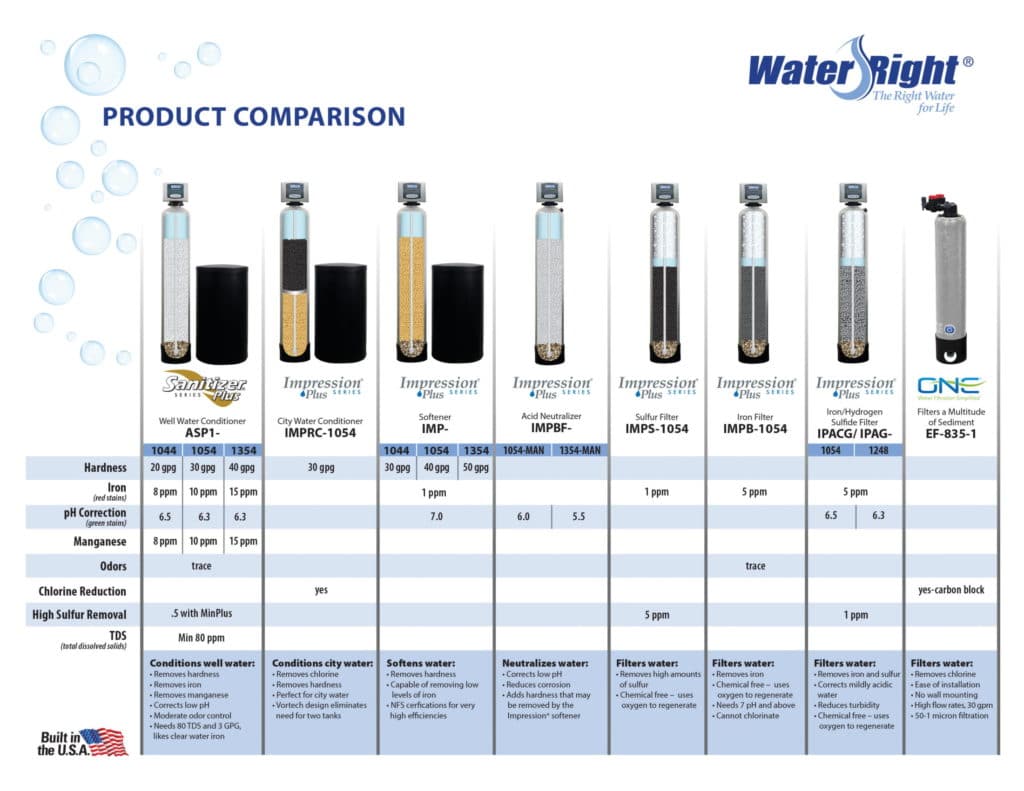
A whole house water filter doesn’t just tackle your drinking water—it treats every faucet, showerhead, and appliance in your home. Think of it as a one-stop security guard for all your plumbing, intercepting sediment, chlorine, and other junk before they reach you. And yes, that means your morning shower smells less like a public pool and more like a gentle rainforest (okay, maybe not that romantic, but you get the idea).
But here’s the kicker: not all systems are created equal. You’ve got sediment filters, carbon filters, salt-based softeners, and even reverse osmosis monsters. Choosing one without a plan is like buying sneakers without checking if you’re a size 9 or 12—uncomfortable and expensive.
Must Read
Sediment vs. Carbon: The Heavyweight Duel
Let’s start with the basics: sediment filters are the bouncers at the door, stopping dirt, sand, and rust particles. If your water looks like a murky pond after a storm, this is your guy. On the other hand, carbon filters are the sneaky chemists that absorb chlorine, bad tastes, and odors—turning that “swimming pool” vibe into something you’d actually serve to guests.
Most whole house systems stack these two together. I tried a combo unit first, and honestly, my water went from “meh” to “okay, I can drink this without gagging.” But here’s where I got slightly burned: carbon filters need frequent replacement (think every 3-6 months). Forget to swap them, and you’re basically running dirty water through a used sponge—gross, right?
Salt-Based Softeners: The Hard Water Buster
If you’ve got crusty white deposits on your faucets (hello, hard water!), a salt-based softener might be your hero. It swaps minerals like calcium and magnesium for sodium, which means softer hair, cleaner dishes, and less scale in your pipes. But ironic twist: it adds a tiny bit of salt to your water, so if you’re on a low-sodium diet, this is like inviting a villain to your house party.
Also, these systems can be huge—like a mini fridge taking up space in your garage. You’ll also need to lug bags of salt around, which is definitely not my idea of a fun workout. My neighbor swears by his, but after seeing him shuffle salt bags at 7 PM, I politely declined.
Reverse Osmosis: The Overachiever (Maybe Too Much)
Reverse osmosis (RO) systems are the fancy, multi-stage beasts that strip nearly everything from water—including beneficial minerals. It’s great if you’re paranoid about lead or pharmaceuticals, but it’s slow and wastes a ton of water (like 3-4 gallons for every gallon of purified water). Plus, you’ll need a separate faucet or tank, which kills the “whole house” vibe—it’s usually a point-of-use system, not a whole house solution.
Let’s be real: do you really need lab-grade water for washing your car? Probably not. For most of us, a solid carbon and sediment combo is enough—unless you’re a chemistry teacher or live near a toxic waste site.
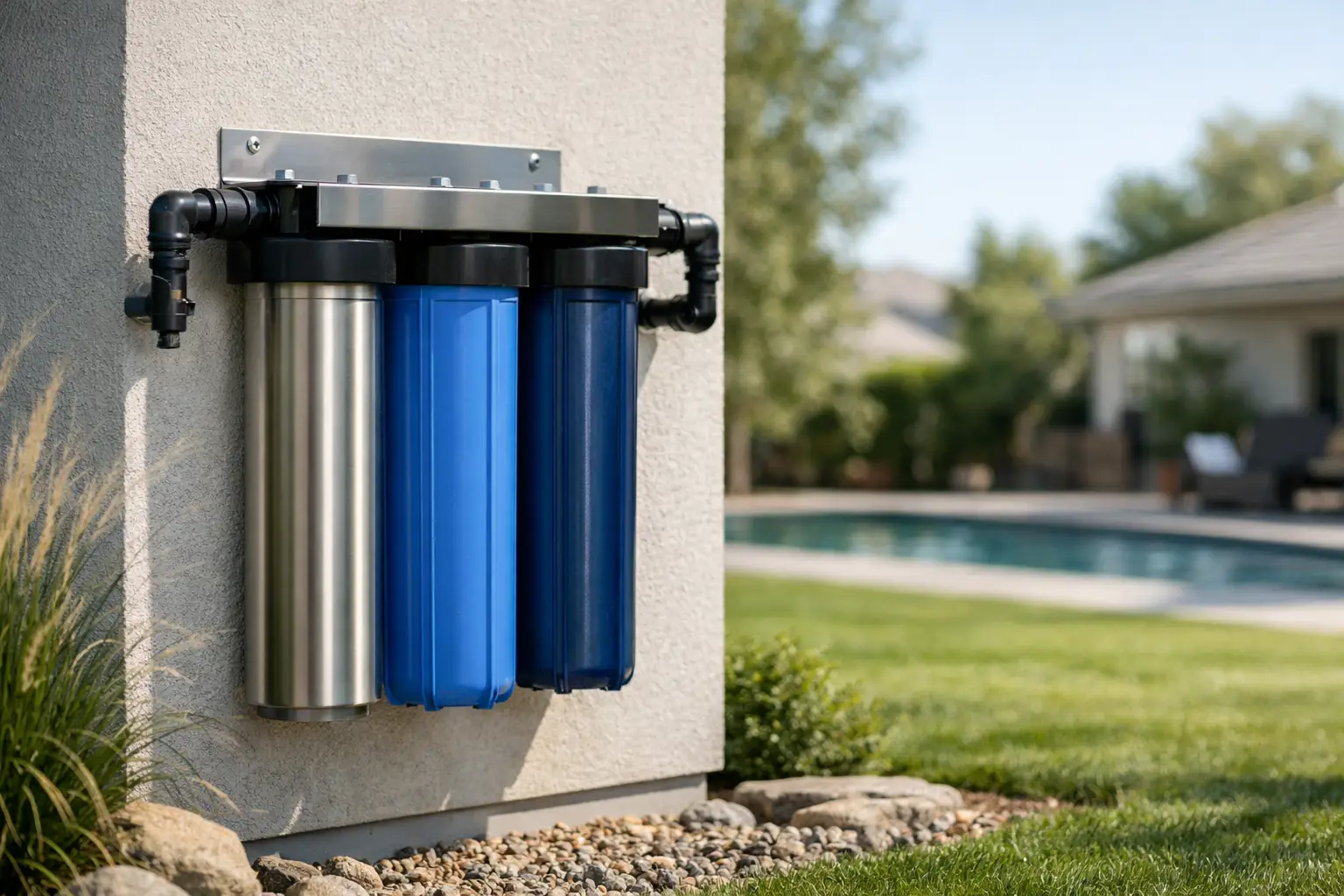 Whole House Water Filter Systems Comparison – Aqua Mantra Filters
Flow Rate: The Silent Dealbreaker
Here’s a mistake I almost made: I fell in love with a high-spec filter, but it had a low flow rate. That means your shower goes from a powerful spray to a sad dribble when the filter can’t keep up. You want a system rated for at least 10-15 gallons per minute for a typical family home. Check your household’s peak demand—otherwise, you’ll be the person yelling, “Is someone flushing the toilet?!” every morning.
And side note: watch out for “microns.” A 5-micron filter catches fine particles; a 20-micron one is more for big debris. Going too fine can slow your flow to a crawl—so pick your battles.
The Installation Headache (Or Not)
Some systems are DIY-friendly, like a simple sediment filter setup you can snap onto your main water line. Others require a plumber—and your wallet might cry a little. I learned this the hard way when I tried to install a fancy multi-stage system and ended up with water spraying from three different directions. Yes, I’m that person. Now I recommend paying a pro if you’re not handy with a wrench.
Remember: whole house filters also need regular maintenance. If you’re lazy like me, go for a system with easy-to-change cartridges. Otherwise, you’ll end up ignoring it until your water tastes like a basement again.
So, Which One Should You Actually Buy?
If you just want better-tasting water and less chlorine smell, go for a carbon-based whole house filter with a sediment pre-filter—budget around $300-$800. If you’ve got hard water and hate scummy showers, add a salt-based softener (or a salt-free conditioner if you’re avoiding salt), but be ready for the size and salt-lugging ritual.
Me? I ended up with a mid-range carbon block system—and honestly, I can drink tap water without making a face now. It’s not a mountain spring, but it’s close enough for a 6 AM brain. The best filter is the one you’ll actually maintain—because no system works if you forget to change the cartridges. And trust me, I almost did.
