Carbon Water Filtration Systems For Home

Let’s be honest: your tap water probably tastes a little… off. It might have a hint of swimming pool, a whisper of basement, or a faint metallic tang that makes you wonder if...
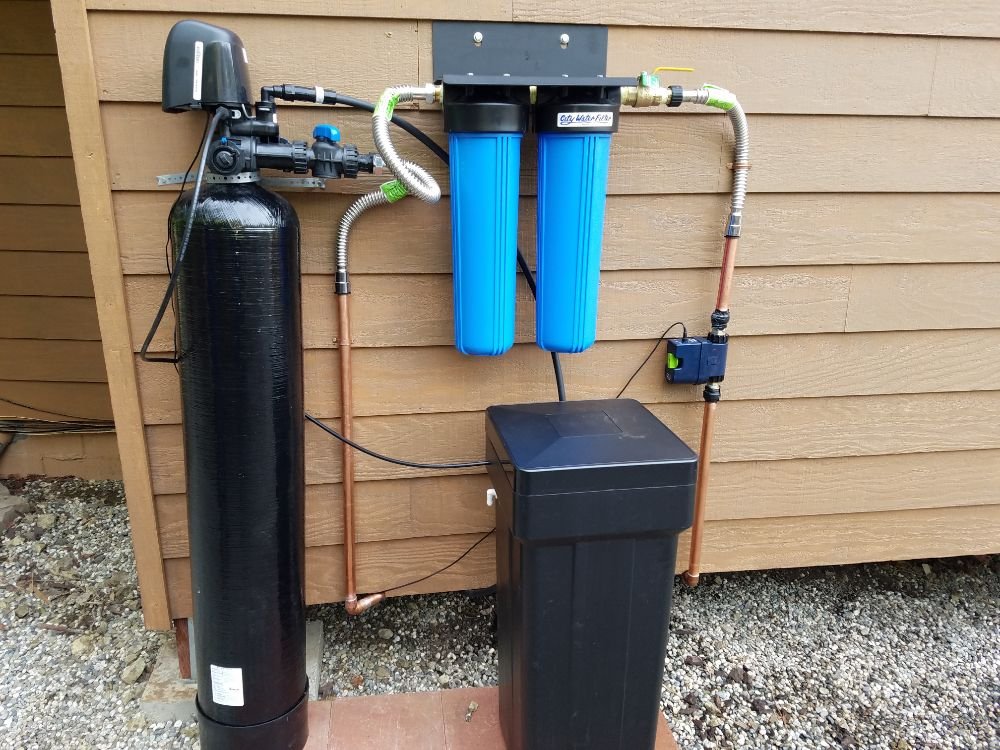
Let’s be honest: your tap water probably tastes a little… off. It might have a hint of swimming pool, a whisper of basement, or a faint metallic tang that makes you wonder if your pipes are secretly auditioning for a role in a sci-fi movie. You’ve tried the fancy bottled stuff, but your wallet is crying, and the planet is side-eyeing you for all that plastic. That’s where the humble hero of the kitchen counter—the carbon water filtration system—rides in on a charcoal-colored horse.
The “Gulp and Cringe” Problem
Remember that first sip of water from a garden hose as a kid? It was a rite of passage—warm, rubbery, and oddly refreshing. As adults, we expect a little more sophistication. We don’t want our drinking water to taste like it’s been filtered through a gym sock. A carbon filter is basically a bouncer for your water glass, kicking out the chlorine, sediment, and weird odors that ruin the party.
You turn on the faucet, fill a glass, and take a gulp. Instead of a frown, you get a clean, neutral taste—like water that hasn’t seen a drama in its life. It’s the difference between a hug and a polite handshake. Carbon filtration makes your liquid life simple again.
Must Read
How Does It Actually Work? (Without the Science Lecture)
Imagine a sponge that’s been to charm school. That’s basically activated carbon. It’s porous, like a microscopic parking garage for bad stuff. When water flows through, the carbon traps the yucky bits—chlorine, volatile organic compounds (VOCs), and that weird smell that reminds you of your uncle’s damp basement.
It doesn’t remove everything (like fluoride or heavy metals), but it’s a champion for taste and odor. Think of it as the friend who listens to your complaints but doesn’t solve your whole life—they just make the coffee taste better. You’ll immediately notice how your tea suddenly tastes like actual tea, not a chemistry experiment.
The Two Flavors of Carbon Filters
You have two main options, and neither requires a degree in plumbing. First, the pitcher. This is the lazy person’s dream. You fill it, wait a few minutes, and pour. It’s like having a slow, polite butler who takes their time but always delivers. The downside? You’ll be refilling it like a bartender at a wedding.
Then there’s the under-sink system. This is the next-level upgrade. It attaches to your plumbing, hides behind the cabinet with your questionable Tupperware, and delivers filtered water on demand. You get a dedicated faucet that looks like it belongs in a lab. Suddenly, washing your vegetables feels less like a chore and more like a science class where you’re the cool professor.
The “Pitcher vs. Under-Sink” Anecdote
I once bought a pitcher filter, excited to drink “spring-fresh” water. For the first week, I was a hydration hero. Then I forgot to change the filter for four months. One day, I poured a glass, and it tasted like dusty regret. The water had a faint brown tint, like iced tea’s sad cousin. Lesson learned: change your filters, or your water will stage a quiet rebellion.
Switching to an under-sink system fixed that. Now, I brush my teeth with water that tastes like nothing—which is exactly what you want. No surprises. No “is that a hint of copper?” just clean, boring, perfect H2O.
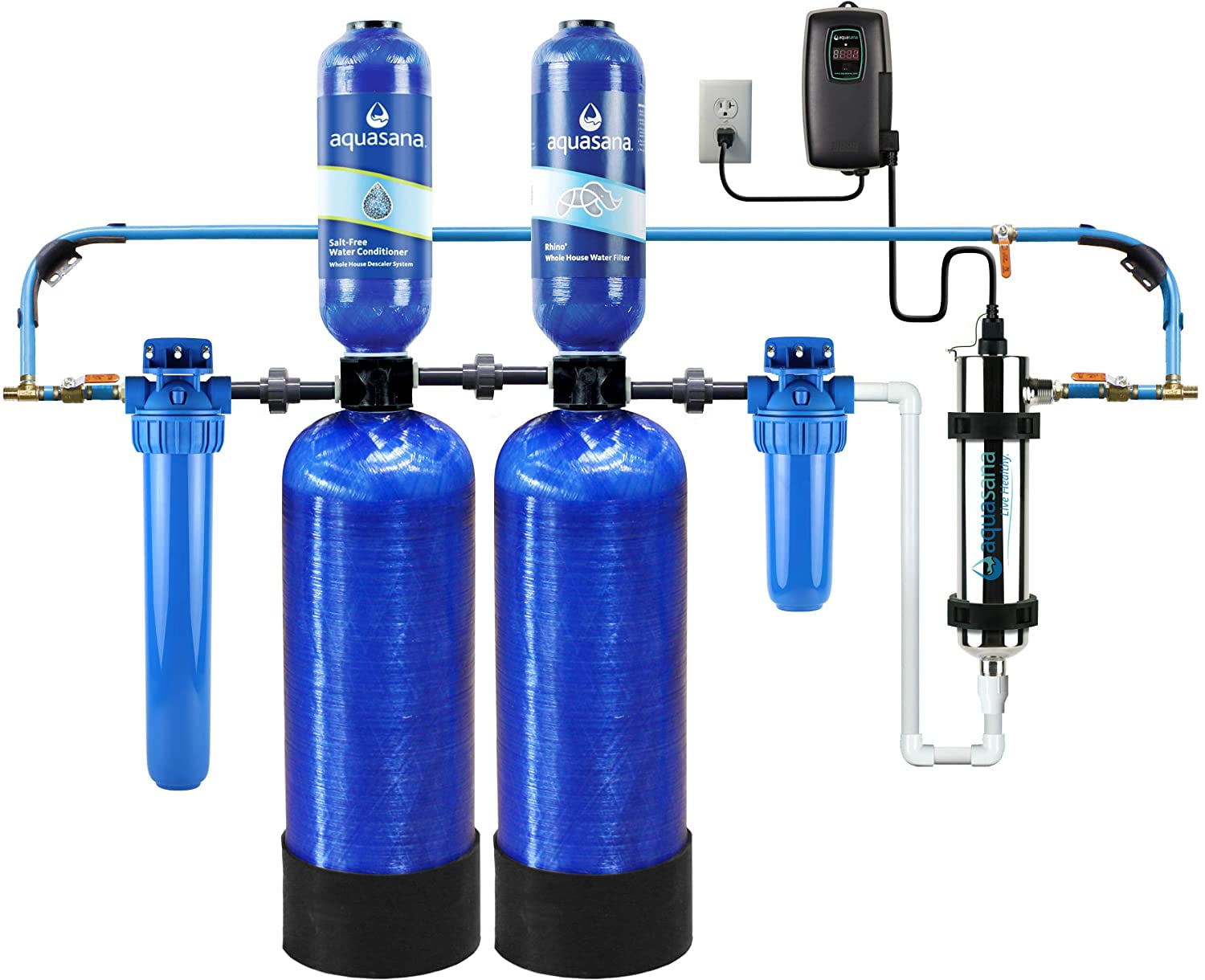 Buy Aquasana Whole House Well Water Filter System - Water Softener
Why Your Kettle Will Thank You
Hard water leaves limescale that looks like a crime scene in your kettle. Carbon filtration reduces that scale, so your morning coffee maker stops acting like it’s mining for minerals. Your kettle will sparkle, your ice cubes won’t look cloudy, and your pasta water will boil with dignity. It’s the small victories in life.
Ever noticed how a glass of unfiltered water leaves a weird ring on your table? That’s mineral residue—basically your water’s autobiography written on your furniture. Carbon filters say, “No, thank you,” to that nonsense. You’ll save time scrubbing, and your coffee table will feel less like a forensic exhibit.
The Reality Check: It’s Not Magic
Here’s the honest truth: carbon filtration is not a cure-all. It won’t fix lead, arsenic, or bacteria. If your water is from a well that tastes like swamp, you need a bigger system (like reverse osmosis). But for 90% of people living in a city or suburb, a carbon filter is the unsung hero of the kitchen.
It’s affordable, easy to install, and doesn’t require calling a plumber who charges you for “looking” at your pipes. You can buy a pitcher for the price of six craft beers, and it’ll last you months. That’s a deal your wallet will high-five.
The Final Sip
So, do you need a carbon water filter? If you’ve ever grimaced after drinking tap water, then yes. It’s like buying a cheap phone case: you don’t realize how much you needed it until you drop your phone. Your hydration experience goes from “ugh” to “ahh,” and you’ll wonder why you didn’t do it sooner.
Pour yourself a glass of filtered water. Notice the clean taste. Then go tell your tap water, “Sorry, I’ve upgraded.” Your taste buds will nod in approval, and the planet will appreciate you skipping one more plastic bottle. Cheers to that.
