Water Filtration Systems Reverse Osmosis

So, my friend Karl—brilliant guy, terrible at practical life—decided to build a tiny “pond” on his balcony. He spent a fortune on exotic plants, a little pump, and some fancy...
So, my friend Karl—brilliant guy, terrible at practical life—decided to build a tiny “pond” on his balcony. He spent a fortune on exotic plants, a little pump, and some fancy Japanese fish. Three days later, the water looked like a swamp monster’s hot tub. Karl, panicking, poured tap water into the pond. Spoiler alert: the fish floated belly-up. Why? Because tap water, as it turns out, is basically chemical soup for delicate gills.
That disaster got me thinking about what we actually pour into our bodies every day. That’s when I fell down the rabbit hole of reverse osmosis (RO) water filtration. It sounds like a sci-fi villain’s weapon, right? Honestly, it kind of is—but the good kind, the kind that saves your fish and your kidneys from slowly turning into a mineral deposit.
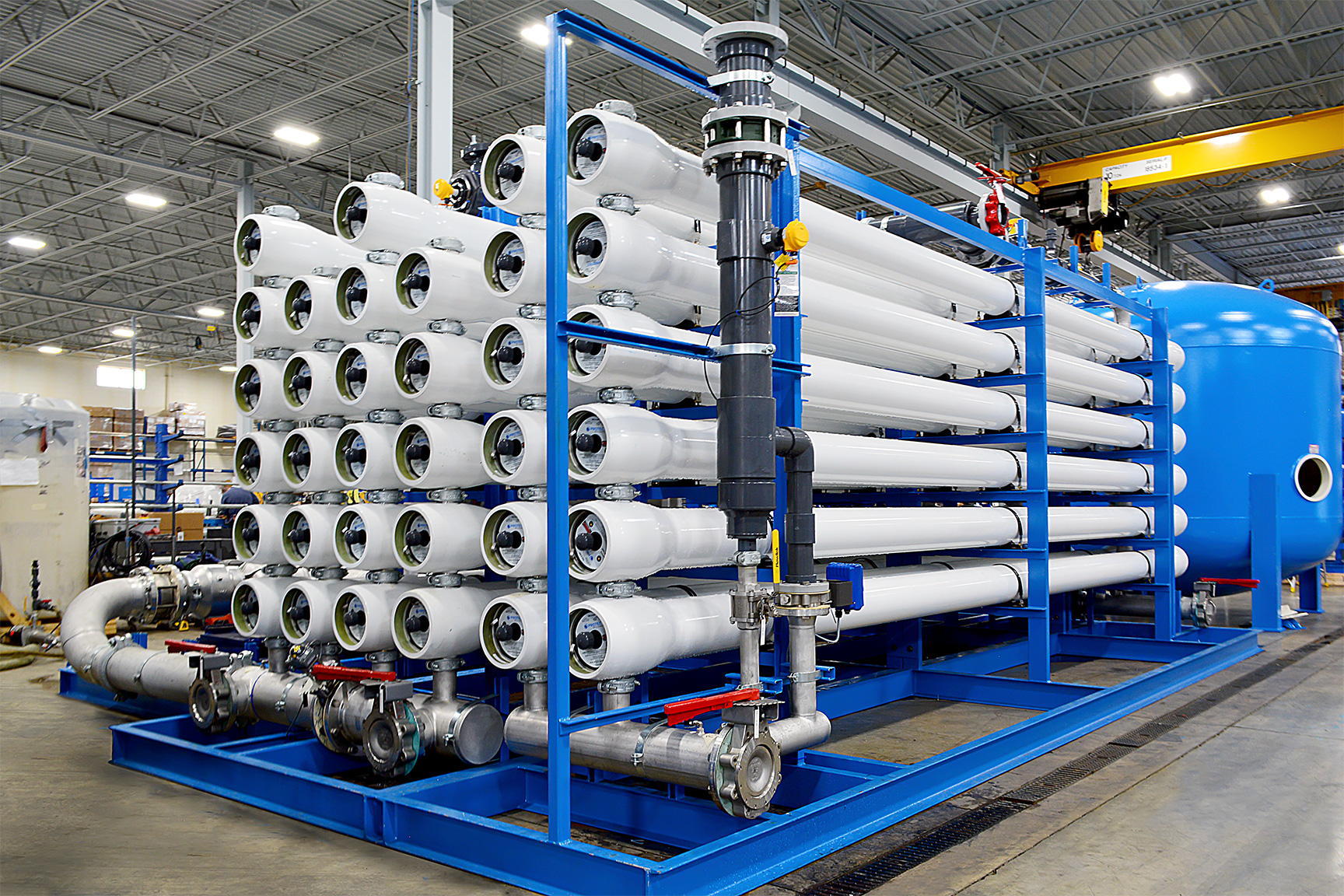
Here’s the deal: reverse osmosis is not a gentle sieve. It’s a bully. It uses a semi-permeable membrane—think of it as a microscopic bouncer at an exclusive club—and it literally forces water through it using pressure. Nothing gets past this bouncer except pure H2O molecules. That’s it. No impurities, no heavy metals, no leftover pharmaceutical drugs from someone else’s bathroom sink. It’s terrifyingly effective.
Must Read
The “Dirty” Secret About Tap Water (It’s Not What You Think)
I’m not here to tell you the government is poisoning you. Calm down. But that glass of tap water? It probably contains chlorine (which keeps it from growing algae, fair enough), trace amounts of lead from old pipes, and maybe a bit of herbicide runoff from that perfect green lawn down the street. You can’t taste it, but your body can feel it over time. An RO system strips all that out. It’s like a do-over for every drop.
What Does It Actually Remove?
Arsenic? Gone. Fluoride? Usually gone, yes—which sparks a whole other debate, but let’s keep it simple. Salt? Poof. Bacteria? Most of them get kicked out too. It’s so thorough that people actually have to add back a pinch of salt or minerals into the water for taste. Yes, you read that right: you take everything out, then decide what to put back in. Total control freak behavior—and I love it.
But here’s the irony: reverse osmosis is stupidly wasteful. For every gallon of clean water you get, three to four gallons get flushed down the drain as “brine” (super concentrated dirty water). That’s the dirty little secret of the pure-water world. It’s like ordering a steak and throwing away the whole cow. Not great for the planet or your water bill, unless you collect the reject water for your garden—which you should, because plants love that stuff.
And then there’s the speed issue. This isn’t a Magic Bullet; it’s a slow drip. A typical under-sink unit makes maybe a few gallons per hour. If you’re expecting to fill a bathtub in five minutes, you’ll be sitting there until your grandkids grow up. That’s why most people use it just for drinking water and cooking—get a dedicated faucet for it, put a filtered jug in the fridge, and call it a day.
 Reverse Osmosis Water Filter System Costco
Do You Actually Need It? (Let’s Be Honest)
Look, if your tap water tastes like a swimming pool or a tire factory, yes. Yes, you need it. If you live in a home built before 1986, you probably have lead pipes—and no, boiling water doesn’t remove lead. Boiling actually concentrates it. Yikes. But if you drink from a well? An RO system might be a lifesaver, because wells can have nitrates from fertilizers or bacteria from… well, nature being nature. Don’t risk it.
But if you live in a city with excellent modern water treatment, you might be fine with a simple carbon filter. RO is a bit like using a sledgehammer to crack a peanut. Yet, once you taste water that is just… water—no aftertaste, no ghost flavors—you’ll never go back. It’s addictive. It’s the closest you’ll get to drinking a cloud.
The Pain in the Pouch (Maintenance)
Here’s where I get real with you. An RO system is not a set-it-and-forget-it gadget. You have to replace the sediment filter, the carbon pre-filter, and the membrane itself every 6–12 months. If you forget, the system gets clogged, or worse, it stops filtering properly. That defeats the whole purpose. It’s like buying a gym membership but never showing up—except your lazy water filter is actually making your water dirtier by not working. So, set a calendar reminder. And don’t cheap out on the membrane; the cheap ones crack faster than your phone screen.
Also, side note: they take up space. Under your sink? Kiss goodbye to that storage for dish soap and plastic bags. Some systems have a tank that looks like a tiny fire extinguisher. It’s not pretty, but hey, purity has a price—and part of that price is your storage space.
So, back to Karl’s fish. After the massacre, he bought an RO system for his whole apartment. Now he drinks water that tastes like nothing, and his new fish—expensive, pretentious Japanese ones—swim in water so clean you could bottle it as a luxury product. The lesson? Sometimes being a control freak about what goes into your glass (and your fishpond) is the smartest, most ridiculous decision you can make. Cheers to that—with a glass of perfectly boring, gloriously pure H2O.
