Residential Rainwater Collection Systems

Let’s be honest for a second. When was the last time you actually thought about where your water comes from? You turn the faucet, it appears, and life goes on. It’s a little t...
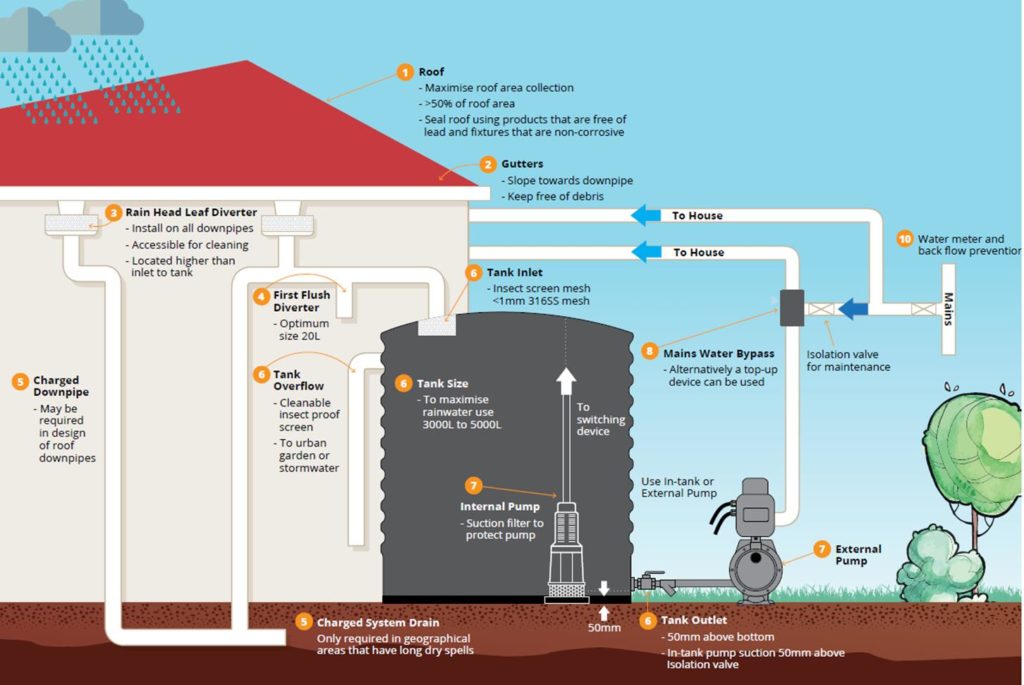
Let’s be honest for a second. When was the last time you actually thought about where your water comes from? You turn the faucet, it appears, and life goes on. It’s a little too easy to take for granted, like pajama pants or your neighbor’s friendly cat that always visits at dinnertime.
But here’s a fun thought experiment. Imagine for a moment that every time it rained, you got a tiny deposit in a water bank account just for you. That’s basically what a Residential Rainwater Collection System does. It turns your roof into a gentle savings plan for your garden, your car wash, and even your washing machine.
It’s Simpler Than You Think
You don’t need a degree in engineering to start catching rain. Think of it like setting up a giant lemonade stand, but instead of lemonade, you’re collecting nature’s free refill. The basic idea is that your gutters feed into a pipe, which leads to a storage tank.
Must Read
That tank can be a cute little barrel under a downspout or a larger cistern tucked away near the house. It’s not about turning your home into a science lab; it’s about making one small change that feels surprisingly good. You’re basically high-fiving the sky every time a storm rolls through.
And the best part? You don’t have to drink it (unless you treat it properly, which is a whole other story). Most people use it for the “hard work” water around the house.
Your Garden Will Throw a Party
I have a friend, let’s call her Sarah, who used to drag a hose around her backyard every evening, watching her water bill creep up like a guilty dog. She finally installed a simple 50-gallon rain barrel under her deck’s downspout. It cost her about the same as two nice dinners out.
The first time she watered her tomatoes with that collected rain, she swore they looked greener the next morning. Plants absolutely adore rainwater. It doesn’t have the chlorine or other chemicals found in tap water, which is like serving them a fresh spring salad versus a fast-food burger.
Your petunias, your lawn, and that stubborn hydrangea bush will all send you thank-you notes. It’s like giving your yard a drink of premium bottled water, but it costs you nothing.
Money Falls From the Sky (Literally)
Let’s talk about your wallet, because that’s where most of us live. Every gallon of water you use to wash your car or water the lawn is a gallon that shows up on your utility bill. A typical rain barrel can save you 1,300 gallons of water during a single peak summer season.
That’s not spare change. That’s real cash that stays in your pocket. Think of it as a tiny, predictable raise that you give yourself just by letting gravity do its job.
And if you live in an area with frequent droughts or water restrictions? You become the neighborhood hero. While everyone else is pleading for their grass to survive, you’re calmly walking over to your tank with a watering can, smirking like you have a secret supply of moon juice.
 Premium AI Image | Rainwater harvesting system installed beside a
The Planet Gives You a Quiet High-Five
This isn’t about shouting “save the planet” from a rooftop. It’s about the simple math of less runoff. When rain hits your roof and shoots straight into the street, it picks up oil, pet waste, and lawn chemicals along the way. That gunk ends up in local creeks and rivers.
By collecting that water, you’re keeping your local watershed a little cleaner. You’re also reducing the risk of flooding in your own backyard during a big storm. It’s like you’re giving your neighborhood’s drainage system a tiny, much-needed break.
Plus, there’s a quiet, nerdy satisfaction in knowing you’re using a resource before it becomes a problem. It’s the adult equivalent of catching a ball before it hits a vase.
Getting Started Without Losing Your Mind
Don’t overthink this. You don’t need a huge, expensive rig. Start with one barrel. Go to a hardware store, buy a basic kit that includes a spigot and a screen to keep out leaves and mosquitoes. Attach it to a downspout that’s close to a flower bed or your vegetable patch.
Seriously, you can set it up in an afternoon while binge-watching your favorite show. It’s that easy. You’ll probably spill some water the first time you use it, and that’s perfectly fine. Learning is messing up, and messing up with water is just… getting a little wet.
Worst case scenario? You have a nice conversation starter for the next cookout. Best case scenario? You save money, grow a better garden, and feel a little more connected to the simple rhythm of the rain.
A Gentle Reminder to Be Smart
Just a quick note: if you want to use this water for drinking or cooking, you need a serious filter system and professional guidance. Please do not drink untreated rainwater. That’s the equivalent of eating a mushroom you found in the park—risky and not recommended.
But for everything else? Go wild. Wash your muddy dog, rinse your muddy shoes, or fill up a kiddie pool for the little ones. You’ll feel like you’ve discovered a secret cheat code for modern life.
So here’s to you, the rain, and a little barrel of hope. It’s not a grand revolution; it’s just a small, smart choice that makes everyday life a little lighter, a little greener, and a whole lot more fun. Go catch some drops.
