Reverse Osmosis System With Booster Pump

Let’s be honest: your tap water has a bit of a personality. Sometimes it tastes like a swimming pool, other times like a dusty basement, and occasionally like the ghost of a h...
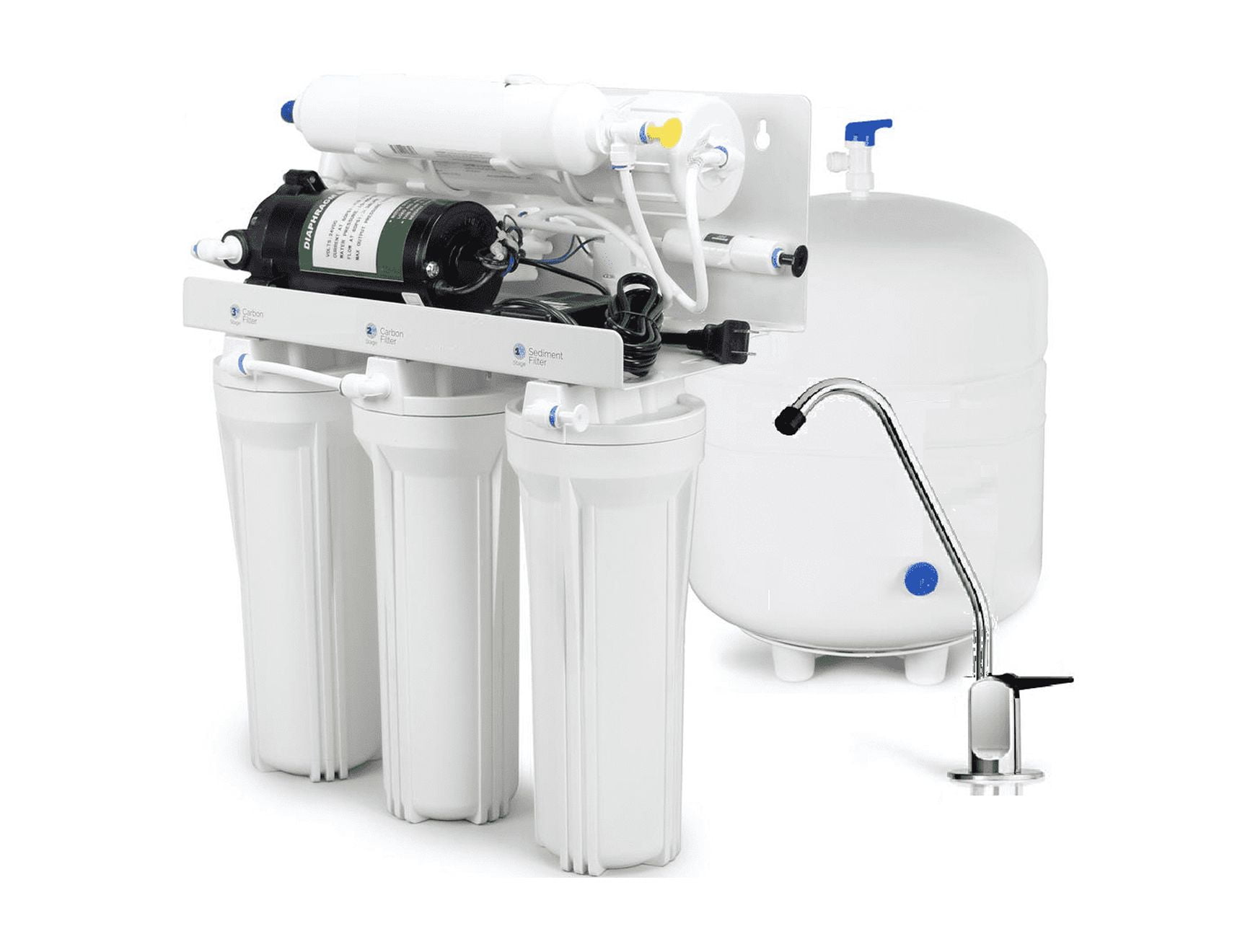
Let’s be honest: your tap water has a bit of a personality. Sometimes it tastes like a swimming pool, other times like a dusty basement, and occasionally like the ghost of a hard-boiled egg. You’ve tried filtered pitchers and fridge dispensers, but they move slower than a sloth on a coffee break. Enter the reverse osmosis system—the high-tech water whisperer that promises pure, crisp H2O. But wait, there’s a catch: without a booster pump, that fancy filter is just taking a very, very long nap.
The Sad Reality of Gravity-Fed Water
Standard reverse osmosis systems rely on your home’s water pressure to push water through a series of membranes. If your pressure is low—say, under 40 psi—the system acts like a teenager asked to clean their room. It drags its feet, produces a trickle, and fills a glass about as fast as a leaking faucet. You end up standing there, watching a single drop form, and wondering if you could have just walked to a glacier instead.
It’s a slow-motion catastrophe. You’ll start a movie, wait for the tank to fill, and realize the credits are rolling before you’ve got a single sip. That’s when you know your water filter is basically a really expensive decoration. You might as well stick a garden hose in a coffee filter and call it a day.
Must Read
Meet Your New Best Friend: The Booster Pump
Think of a booster pump as the caffeine injection your water system desperately needs. It’s a tiny, whirring hero that sits under your sink and says, “Hold my beer, I’ve got this.” It takes your wimpy, lazy water pressure and pumps it up to a solid 60 or even 80 psi, turning your sluggish filter into a water-pouring machine. Suddenly, you aren’t waiting for a glass of water; you’re commanding it to appear.
It’s like upgrading from a tired old bicycle to a scooter with a rocket attached. The difference isn’t just noticeable—it’s shockingly obvious. You go from a sad, drippy faucet to a steady stream that fills a pitcher before you can finish complaining about the weather. Your ice cube tray no longer looks like a failed science experiment.
Why You Didn’t Know You Needed This
Most people don’t think about water pressure until they’re standing in the shower, cursing the temperature. But under your sink, it’s a whole different world. A booster pump solves problems you didn’t even know you had, like the endless waiting game or the weird gurgling sound your filter makes at 2 AM. That sound? That’s the sound of defeat. The pump silences it.
And here’s the kicker: it also helps your system actually do its job. Low pressure can cause the membranes to clog faster, meaning you’re buying new filters every few months and wondering why your wallet is crying. With a pump, the membranes work at peak efficiency, so they last longer and taste better. Your wallet breathes a sigh of relief, and so do you.
The Installation Lie (It’s Actually Easy)
I know what you’re thinking: “Oh great, another gadget that needs a PhD in plumbing to install.” But nope. Most booster pumps are designed for the moderately handy—the kind of person who can change a lightbulb without Googling it first. You just splice it into the line, plug it in, and let it do its thing. It’s basically a glorified fan for water. If you can assemble IKEA furniture without crying? You can install this.
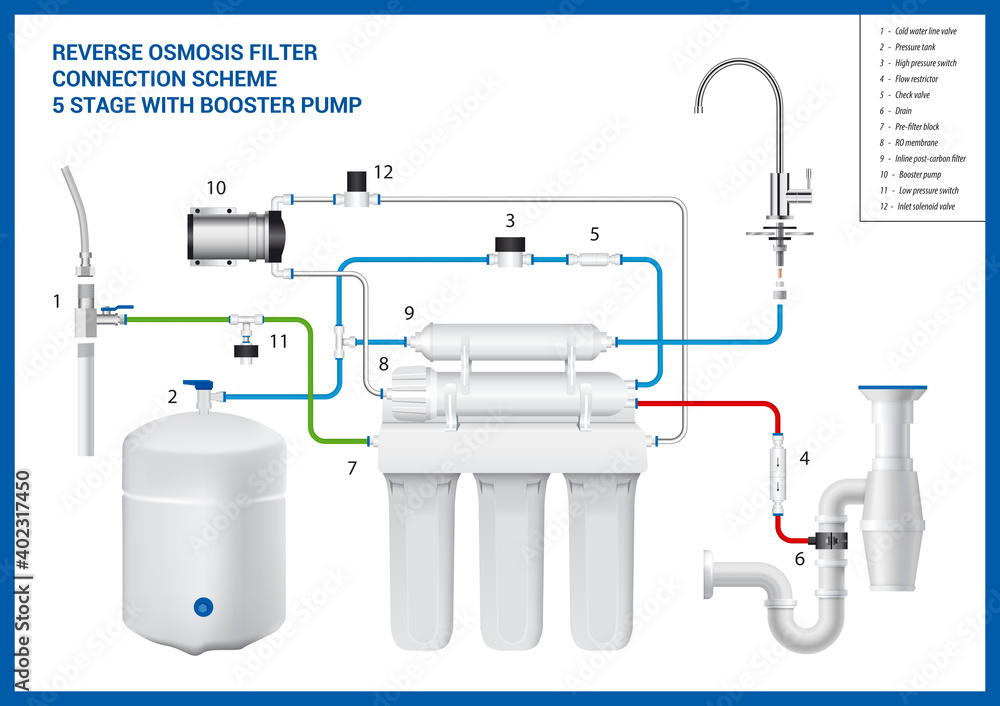 Connection scheme of the 5 stage reverse osmosis filter with booster
Sure, you might have to crawl under the sink once, which is basically a rite of passage for adulthood. You’ll find a forgotten sponge from 2017, a dust bunny that looks like a pet, and maybe a spider that now considers you a roommate. But once that pump kicks in, you’ll forget all about the spider. The water becomes the main character.
Real Talk: The Noise Factor
Okay, let’s be real for a second: booster pumps do make a little noise. It’s a gentle, low hum, like a refrigerator having a quiet conversation with a dishwasher. Some people call it “white noise,” and others call it “annoying.” But honestly? It’s way quieter than the sound of you tapping your foot impatiently while waiting for a drop of water. And after a week, you won’t even notice it—unless you’re a cat, in which case it becomes your new favorite mystery.
And the best part? When you go to a friend’s house and they offer you a glass of tap water that tastes like a rusty button, you’ll smile knowingly. You’ll take a sip, nod politely, and think about your beautiful, boosted, pure water waiting for you at home. You’ll feel like a secret society member—the Hydration Illuminati.
The Bottom Line
A reverse osmosis system without a booster pump is like a sports car with a lawnmower engine—technically a vehicle, but deeply disappointing. Adding a pump turns your water game from “meh” to “magnificent.” You’ll drink more water because it actually tastes like water, not like a backwash of regret. You’ll feel healthier, more hydrated, and slightly superior to everyone who still uses a Brita pitcher that dates back to 2005.
So go ahead: give your under-sink setup a little boost. Your taste buds will thank you. Your patience will thank you. And the next time you fill a glass, you might just feel a little burst of joy. Or at least, you won’t be tempted to drink from the hose outside. And really, that’s a win.
