Chemical Injection System For Well Water

There’s something almost romantic about drawing water from your own well. It feels self-sufficient, a little bit rugged, like you’re channeling Laura Ingalls Wilder or a moder...

There’s something almost romantic about drawing water from your own well. It feels self-sufficient, a little bit rugged, like you’re channeling Laura Ingalls Wilder or a modern-day Thoreau. But then you take a sip, and the romance is immediately torpedoed by a faint, rotten-egg whiff of sulfur. Or worse, you notice orange stains creeping up your pristine white sink.
The Uninvited Guests in Your Glass
Well water isn’t just water. It’s a delivery system for whatever the local geology decides to throw at you—iron, manganese, hydrogen sulfide, or even bacteria. You can filter it, sure, but true control comes from a chemical injection system. Think of it as the bouncer at your private tap, demanding ID and kicking out the riffraff.
This isn’t your grandpa’s water softener. We’re talking about a sleek, modern setup that injects a precise, tiny dose of a chemical—usually chlorine, hydrogen peroxide, or a blend—directly into your water line. It’s chemical warfare, but the polite, suburban kind.
Must Read
It’s Basically a Science Experiment (the Safe Kind)
The system works on a simple, quiet rhythm. A small pump, triggered by your well pump, pushes a minuscule amount of oxidizer into the water. This chemical then gets busy, reacting with dissolved iron, sulfur, and manganese. The result? Those nasty elements precipitate into solid particles that can then be easily caught by a filter.
Imagine it like making a soufflé, but instead of eggs and sugar, you’re using chemistry to transform a stinky mess into crystal-clear perfection. The pip-pip-pip of the injection pump becomes a strangely comforting sound, a little heartbeat for your water system.
The "Why" is Just as Important as the "How"
You don’t install a chemical injection system for fun. You install it because you’re tired of laundry that looks dingy, of hair that feels brittle, or of that metallic taste that lingers on your morning coffee. This system is the silent hero of backwoods cabins and upscale rural estates alike.
Here’s a fun fact: Nearly 40 million Americans rely on private wells, and iron is the most common contaminant. That orange ring in your toilet bowl? That’s ferric iron, the oxidized version of the dissolved ferrous iron you’re drinking. It’s the signature of a geologic party you didn’t ask to host.
Culture Corner: The "Pool Guy" Redemption
If you’ve ever been traumatized by a childhood memory of a pool guy’s chlorine-soaked van, relax. Modern chemical injection systems are far more sophisticated. Many now use calcium hypochlorite in tablet form, or even a liquid peroxide that degrades into oxygen and water—no harsh smells.
It’s like the difference between a 1980s boombox and a Sonos speaker. Both make sound, but only one feels like it belongs in your life. You can even hide the pump in a closet or a basement corner, quiet as a librarian.
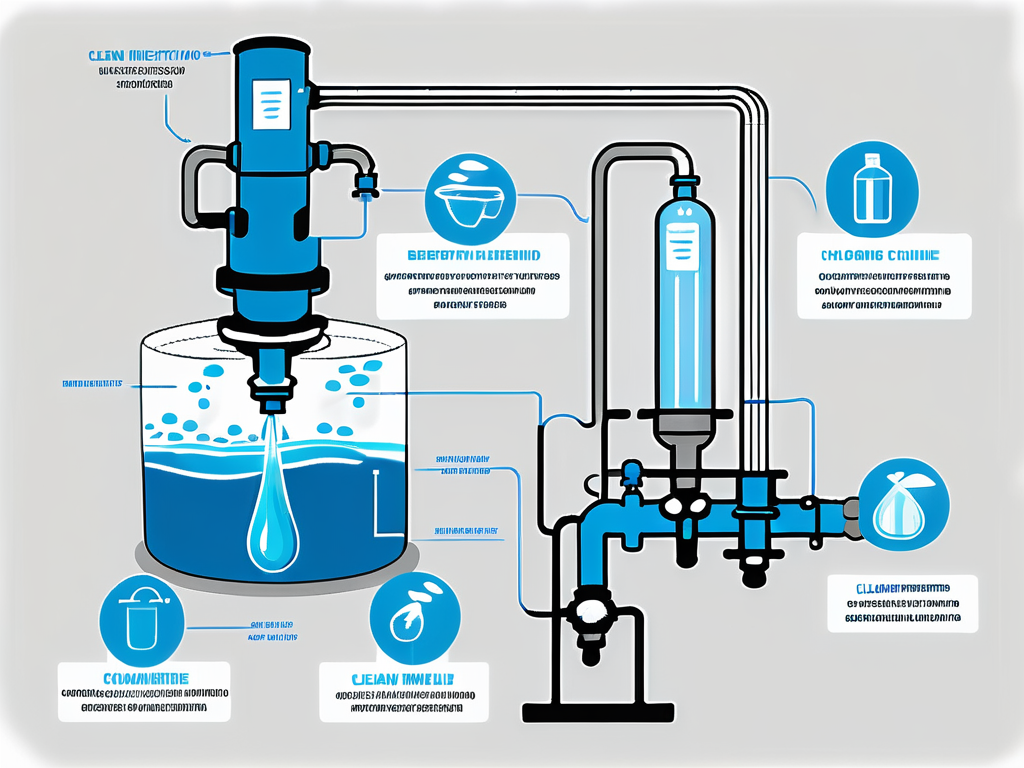 Understanding Well Water Chlorine Injection Systems: A Comprehensive Guide
Practical Tips for the Well-Intentioned
Before you dive headfirst into this world, do your homework. Start with a comprehensive water test. A basic strip test tells you very little; you need iron, manganese, pH, and sulfate levels. Skip this step, and you’ll be like a chef who doesn’t know if the oven is gas or electric.
Second, your retention tank is your best friend. The chemical needs time to work—usually 8 to 10 minutes of contact time. That’s where the tank comes in, giving the reaction room to happen. It’s the waiting room for bad water to become good.
Finally, maintenance is tiny but non-negotiable. You’ll refill the chemical reservoir about once a month, and replace the filter media yearly. It’s less work than cleaning a fish tank, and the payoff is infinitely better.
The Billion-Dollar Myth About "Pure" Water
There’s a pervasive myth that well water should be untouched, that any treatment is somehow “unnatural.” That’s nonsense. Untreated well water is the same water that carved the Grand Canyon—it’s a geological solvent, not a beverage. You wouldn’t drink straight from a mountain stream without a filter; this is the same logic, just applied to your kitchen faucet.
A chemical injection system doesn’t make your water fake. It makes it safe, clean, and delicious. It’s the difference between a mineral spring you’d pay for and a puddle you’d step over.
A Short Reflection for Your Morning Cup
We don’t often think about the infrastructure that makes our daily rituals possible. We turn the tap, and the water flows, clean and invisible. But behind that simple act is a quiet piece of technology, working 24/7 to remove the unwanted gifts of the earth.
That cup of coffee in the morning, the long shower after a hard day, the ice cubes that clink in your glass—they are all tiny miracles of chemistry and engineering. Installing a chemical injection system isn't just about fixing a problem. It’s a nod to the idea that we can live with the land, but we don’t have to let it ruin our morning brew. And honestly, that’s a pretty good philosophy for life in general.
