Rainwater Collection Systems Residential

There’s something quietly rebellious about catching rain in a barrel. It’s a small act of defiance against the grid, and it feels good. Forget the dusty image of a rusty tank...
There’s something quietly rebellious about catching rain in a barrel. It’s a small act of defiance against the grid, and it feels good.
Forget the dusty image of a rusty tank in a farmer’s field. Modern residential rainwater collection is sleek, smart, and surprisingly stylish. Think of it as your home’s own private water source, just waiting for the next storm.
The concept is deliciously simple. Your roof becomes a giant funnel, directing water into a storage tank instead of letting it wash away. This is ancient wisdom—the Romans did it, medieval monks did it—wrapped in contemporary design.
Must Read
Why You Should Care: The Practical Magic
Let’s talk money. Using collected rain for your garden, washing your car, or even flushing toilets can slash your water bill by a significant chunk. In some regions, that’s savings of 40% or more annually.
It’s also a masterclass in self-sufficiency. When summer droughts hit and hose-pipe bans roll in, your rain barrel becomes a VIP pass to a lush, green yard while your neighbors’ lawns turn to straw. You become the quiet hero of the block.
And the water itself? Plants adore it. Unlike treated tap water—which contains chlorine and other chemicals—rainwater is naturally soft and full of nitrogen. Your tomatoes will thank you with a harvest that tastes like sunshine.
The Setup: From Barrel to Beautiful
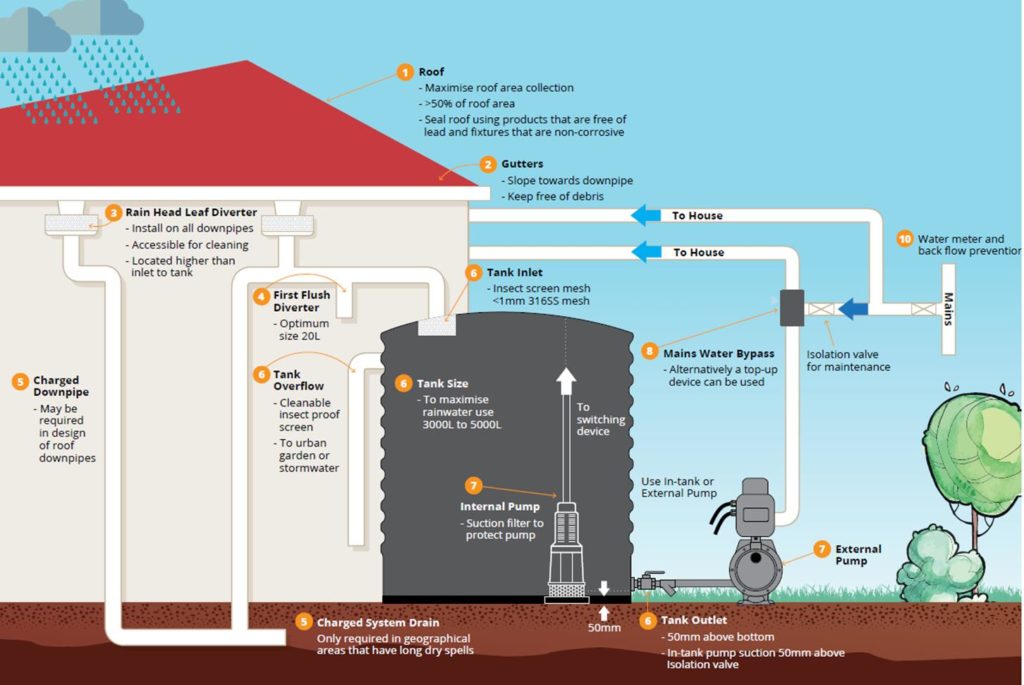
Start small. A basic system involves a rain barrel (50 to 100 gallons is a perfect start) connected to your downspout. Add a simple mesh screen on top to keep out leaves, mosquitoes, and the occasional adventurous squirrel.
For the more ambitious, consider a cistern system. These are larger tanks—think 500 to 2,000 gallons—often placed underground or along the side of the house. They’re the big leagues, but they can handle year-round household needs like laundry and toilet flushing.
Don’t forget the diverter. This clever little gadget switches water from your downspout into the barrel when it rains, then sends excess water back to the storm drain when the barrel is full. It’s the brains of the operation.
Fun fact: In Bermuda, it’s the law. Every home must have a rainwater collection system because there are no freshwater lakes or rivers. They’ve been doing it for centuries—proof that good design and necessity make a perfect pair.
The Cultural Connection: Rain as Ritual
There’s a meditative quality to watching rain fill a barrel. It’s a slow, deliberate process that connects you to the weather in a way that checking a weather app never can. You become attuned to the rhythm of precipitation.
Think of it like the Japanese tradition of Kintsugi—the art of repairing broken pottery with gold. You’re not just fixing a problem; you’re making something more beautiful and valuable from what was discarded. Rainwater collection takes a wasted resource and turns it into liquid gold for your home.
 Premium AI Image | Rainwater harvesting system installed beside a
In ancient India, stepwells were designed to capture every drop of monsoon rain. Today, modern architects are reviving that idea with “rain gardens” that blend storage with native plants. It’s a gentle, beautiful bridge between old wisdom and new aesthetics.
Practical Tips for the Modern Rain Catcher
Location is everything. Place your barrel on a sturdy, level surface—preferably concrete pavers—to prevent tipping. And keep it close to a downspout you use often, ideally one near a garden bed.
Mosquitoes are the enemy. Always cover your barrel with a tight-fitting lid and use a fine mesh on the inlet. A single untreated barrel can become a mosquito nursery in under a week—trust me, you don’t want that party.
First flush, best flush. The first few minutes of rain rinse off bird droppings, dust, and roof debris. Install a “first flush” diverter—a simple pipe that catches and discards that initial dirty water—so only clean rain goes into your tank.
Fun fact: One inch of rain falling on a 1,000-square-foot roof yields about 600 gallons of water. That’s enough to fill ten bathtubs. Your roof is already a reservoir—you’re just finally tapping into it.
Winterize or drain. If you live where temperatures drop, empty and disconnect your barrels before the first hard freeze. Ice expands and can crack plastic or metal tanks faster than you can say “plumber.” Store them upside down in the shed until spring.
Use the water wisely. Label your barrel clearly (“Rainwater—Not for Drinking”) to avoid confusion. Use it for irrigation, outdoor cleaning, or even flushing toilets with a simple pump system. Your plants won’t know the difference—they’ll just grow greener.
A Reflection on the Rhythm of Rain
There is a quiet satisfaction in making something out of nothing—or rather, something out of the sky. Rainwater collection isn’t just about saving money or being eco-friendly; it’s a reminder that abundance is all around us, often hidden in plain sight.
Think about it: every time a storm passes, most of us watch the water stream down the gutter, heading to a drain, then out to sea. But what if that water could water your basil plant tomorrow? Or give your pup a bath on Saturday? It’s a small shift in perspective that feels revolutionary.
Next time you hear rain tapping on the window, don’t just hear noise. Hear opportunity. Your home has a superpower—the ability to harvest the elements—and it’s waiting for you to flick the switch. Start with a barrel, and see where the flow takes you.
