Reverse Osmosis Whole House Water System

So picture this: you’re standing in your kitchen, pouring a glass of water from the tap. It looks clear, sure, but you take a sip and there it is—that faint, funky taste of ch...

So picture this: you’re standing in your kitchen, pouring a glass of water from the tap. It looks clear, sure, but you take a sip and there it is—that faint, funky taste of chlorine, or maybe a hint of something metallic, like licking a penny. You grimace, dump it down the drain, and reach for a plastic bottle from the fridge instead. Sound familiar?
That was me, every single day, until I finally realized my home’s water was a silent betrayer. I was basically paying for bottled water and feeling smug about my “hydration game,” while my actual tap water was secretly carrying a cocktail of sediments, chemicals, and hard minerals. My skin felt tight after showers, and my dishes always had those stubborn water spots—like a bad breakup I couldn’t fix.
That’s when I started obsessing over a whole house reverse osmosis system. And no, it’s not some sci-fi gadget from a lab—it’s a real, beefy solution that filters every single drop of water entering your home. Every drop. From the shower head to the washing machine, to that glass you just filled.
Must Read
Wait, What Exactly Is This Beast?
Let me break it down without getting too techy (because I’m not an engineer, just a curious water snob). Reverse osmosis uses pressure to push water through a super-fine membrane that catches almost everything you don’t want. We’re talking dissolved salts, lead, chlorine, fluoride, even some bacteria—stuff that sneaks past regular carbon filters.
The whole house version means you install it at your main water line, right where the city supply (or your well) barges in. It’s like giving your entire plumbing a superpower—every faucet becomes a pure-water fountain. No more point-of-use filters under the sink that only save your drinking glass.
This isn’t a weekend DIY project, though. You’ll need a pro to install it (and maybe a small army for the tank and pre-filters), but once it’s in, your water transforms. Think about that for a second.
What You’ll Notice Immediately
First shower: holy slippery. Your soap will lather like a pro, and your hair might actually feel soft instead of straw-like. That’s because hard water minerals like calcium and magnesium are gone—they’re the reason you need a gallon of conditioner and a chisel to scrub your shower glass.
Your ice cubes will be crystal clear, not cloudy. Your coffee will taste like it was brewed on a mountain stream (okay, maybe a little dramatic, but you get the point). And those water spots on your stainless steel sink? Gone. It’s like having a maid for your appliances.
But here’s the kicker: your skin and hair will change. No joke—the chlorine and other irritants won’t be stripping your natural oils. My eczema-prone arms stopped flaring up after two weeks. I’m not a doctor, but my skin is definitely a fan.
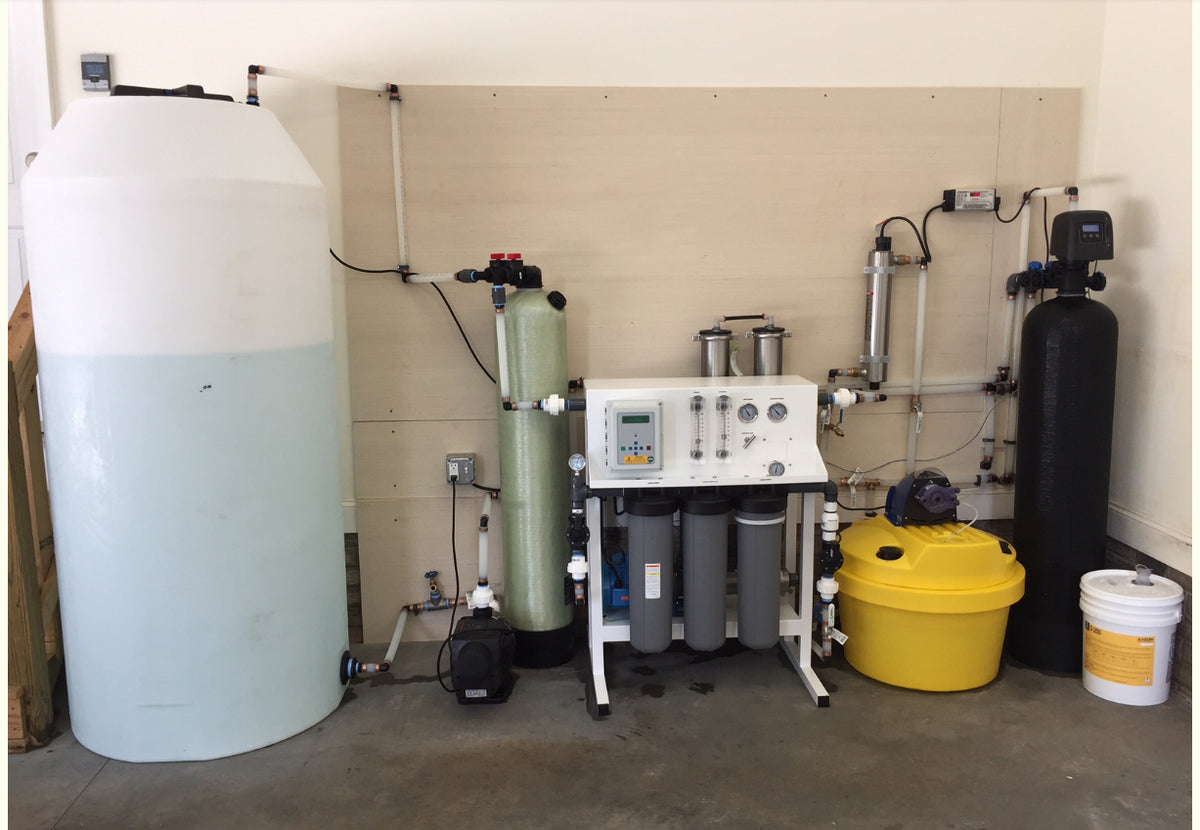 2000 GPD Whole House Reverse Osmosis Water System
The Elephant in the Room: Waste Water
Okay, let’s get real—RO systems are a bit thirsty. They produce waste water as part of the process. For every gallon of filtered water, you might dump three to five gallons down the drain. Yeah, that stings. But newer systems are getting better (some even reclaim that water for landscaping), and honestly? The trade-off often feels worth it for pure, consistent quality.
You also have to replace the membrane and pre-filters every year or two, which costs money. No sugarcoating there—it’s an investment, not a cheap Band-Aid. But compare that to buying cases of bottled water for a family of four? The math shakes out pretty fast.
Is It Overkill for Your House?
Maybe. If your tap water is already pretty good—test it first!—a whole house RO might be like using a flamethrower to toast a marshmallow. You might be fine with a simpler carbon filter for drinking water and a water softener for the rest.
But if you’ve got old pipes, well water with a funky smell, or you just hate the idea of chemicals in your bathwater? This is your king. It’s the luxury of knowing your water is clean, from the laundry room to the dishwasher to your kid’s sippy cup. No more plastic bottles, no more guesswork.
One last thing: don’t expect it to work miracles on things like high iron levels (that usually needs a specific iron filter). And if you live in an area with very low water pressure, you might need a booster pump. But for most homes, it’s a upgrade that feels like a secret superpower you never knew you needed.
So, next time you’re staring at that cloudy ice cube or scratching your dry scalp, ask yourself: Are you really fine with that? Or are you ready to join the weird, wonderful world of whole house RO? Just don’t blame me when your tap water ruins all other water for you.
