Do You Have To Have A Water Meter Fitted

So, you’re staring at a letter from your water company, and it’s asking about a water meter. Maybe you’re thinking, “Do I have to do this?” It’s a fair question, and honestly,...
So, you’re staring at a letter from your water company, and it’s asking about a water meter. Maybe you’re thinking, “Do I have to do this?” It’s a fair question, and honestly, the answer is a lot more chill than you might expect. Let’s dig into it like we’re chatting over coffee, no pressure.
The Short Answer: It Depends on Where You Live
In most places, you are not legally forced to have a water meter fitted in an existing home. Think of it like choosing between a landline phone and just your mobile—both work, but one might suit your vibe better.
However, if you’re building a brand-new house, meters are usually a given, like having a front door. And in some regions, like parts of the UK, water companies can eventually insist if there’s a drought or supply issue. But for the average renter or homeowner? You’ve got wiggle room.
Must Read
Why Would You Want One? The “Cool” Factor
Here’s where it gets interesting: a water meter can feel like a secret weapon for your wallet. It’s like switching from an all-you-can-eat buffet to paying per sushi roll—you suddenly notice how many rolls you actually eat.
If you’re single, a couple without kids, or just really good at short showers, a meter usually saves you money. Your bill is based on what you use, not a flat rate that assumes you’re watering a lawn like a golf course. Plus, you get nerdy satisfaction from watching your usage drop—it’s like a fitness tracker for your pipes.
The “Uncool” Side: When It Might Bite You
But wait—if you have a big family, a pool, or a secret hobby of washing your car every Sunday, a meter could sting. Imagine paying for every single drop you use; it’s like going from a Netflix subscription to renting each movie separately.
Older homes with leaky toilets or dripping taps become a bigger headache, too. That tiny drip? On a meter, it’s a slow, silent villain. You might suddenly care a lot more about fixing that running toilet—which, honestly, is kind of a good habit anyway.
How Do You Decide? A Simple Test
Grab your last water bill and look for the “unmetered” charge. Then, guess how much water your household uses per year. A rough rule of thumb: if you have fewer people than bedrooms, a meter usually wins. If you have more people than bedrooms, the flat rate might be your friend.
Most water companies offer a free “meter trial”—like test-driving a car before you buy it. You can get one fitted, track your usage for 12 months, and if you hate it, switch back for free. That’s literally a no-risk experiment.
 How to fit an indoor Water Meter. Check on your usage. - YouTube
What About the Installation? Is It a Hassle?
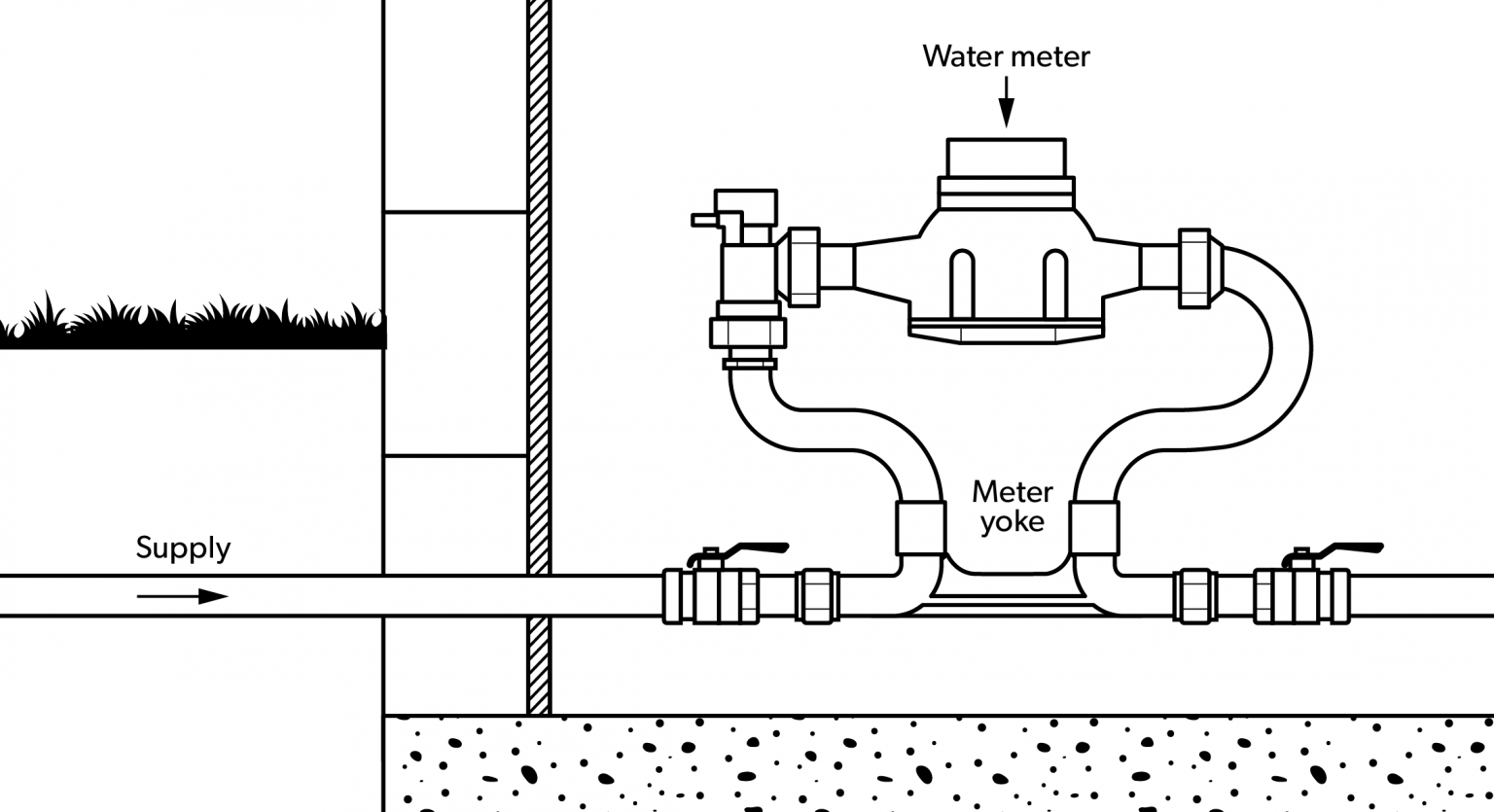
Honestly, it’s usually a 30-minute job. A friendly person with a van shows up, digs a small hole near your curb (if you don’t have one), pops in the meter, and boom—you’re done. It’s less intrusive than a plumber fixing a leaky pipe.
And here’s a fun comparison: think of it like getting a smart thermostat. You didn’t ask for it, but once it’s there, you feel clever every time you check the readings. The meter is the same—it turns water from a boring utility into something you can play with.
The Bigger Picture: Why It’s Actually Cool
Beyond the money, water meters are oddly satisfying because they connect you to reality. You start noticing how much water a 10-minute shower uses (about 10 gallons, in case you’re curious). You might even challenge your housemates to a “who can use the least” game.
Environmentally, it’s a win-win. People with meters use up to 20% less water on average. That’s like deciding to bike instead of drive—you save cash and feel a tiny bit heroic. Plus, you’re not paying for your neighbor’s secret garden sprinklers anymore.
Final Vibe Check
So, do you have to have a water meter fitted? No, not in most cases. But should you consider it? Absolutely, if you’re curious about saving money or just love data. It’s like choosing between a mystery box and a clear jar of candy—you get to see exactly what you’re paying for.
My advice: call your water company, ask for a free trial, and give it a shot. Worst case, you swap back. Best case, you become that friend who casually drops water-saving tips at parties. And honestly? That’s a pretty cool power to have.
