What Happens If You Drink Water With Lead

So, you’re standing at the kitchen sink, glass in hand, and you hear about the water pipes in your neighborhood being older than your grandpa’s socks. You suddenly wonder, “Wh...
So, you’re standing at the kitchen sink, glass in hand, and you hear about the water pipes in your neighborhood being older than your grandpa’s socks. You suddenly wonder, “What happens if I drink water with lead?” Well, pull up a chair and let me pour you some truth—hopefully not from the tap.
The Not-So-Glorious History of Lead
First, a little backstory. Humans have been using lead for around 8,000 years—think Roman aqueducts, medieval pewter mugs, and those lovely paint chips that gave old houses that elusive “crunchy” texture. We knew lead was toxic as early as ancient Greece, but we kept using it anyway because, hey, it’s bendy, cheap, and doesn’t rust. Classic human logic: “Let’s put the toxic metal inside our drinking water pipes and see what happens!”
Spoiler alert: It was not a great plan. Today, lead pipes still run to about 9 to 12 million homes in the U.S., delivering what scientists call “a bad time” directly to your faucet.
Must Read
What Actually Happens Inside Your Body?
When you gulp down water with lead, it doesn’t just wave politely and pass through. Lead is a sneaky impostor. Your body mistakes it for calcium, iron, and zinc—essential minerals you actually need. So lead cuts in line, barges into your bones, your brain, and your blood, and takes a permanent seat on the couch.
Once inside, lead starts messing with your biological WiFi. It interferes with nerve signals, messes up red blood cell production, and basically causes a slow-motion traffic jam in your organs. Think of it as a tiny, toxic squatter that never pays rent.
Fun fact: Your body stores about 95% of ingested lead in your bones, where it can hang out for decades—longer than your last unresolved argument with a sibling. This is not a party favor.
The Short-Term Symptoms (Or, “Why You Suddenly Feel Weird”)
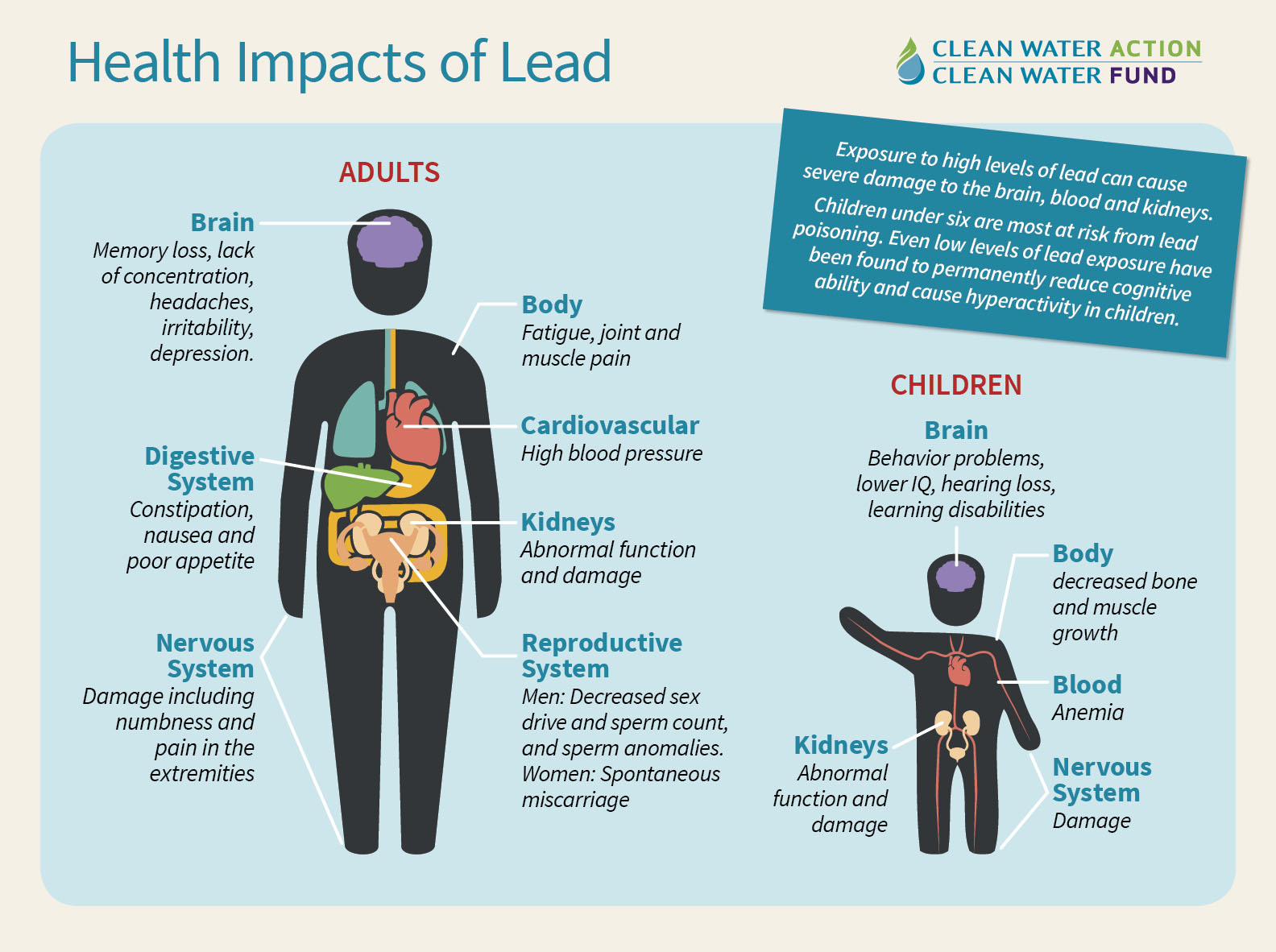
Drink a glass of lead-laced water and you probably won’t feel anything. One glass is like one cigarette—not a death sentence, but definitely not a smart life choice. However, if you down lead water regularly for weeks, you might notice some party pooper symptoms: Headaches, stomach pain, fatigue, and constipation—which essentially turns your life into a boring, painful, and slightly nauseating sitcom.
Kids get the real short end of the stick. Their developing brains are like sponges, and lead is the gross juice you don’t want them soaking up. Even tiny amounts can cause learning disabilities, behavioral issues, and an IQ drop that no amount of educational YouTube can fix. It’s so bad that there’s no safe level of lead in a child’s blood—zero, zip, zilch.
The Long-Term Risks (Or, “Adulting Gets Harder”)
Stick with lead water for years and you’re inviting some real unwanted houseguests. In adults, chronic lead exposure can raise blood pressure, damage kidneys, and cause reproductive problems—including reduced sperm count and fertility issues. So if you were planning on passing on your legendary dad-joke collection, lead might have other ideas.
For pregnant people, it’s especially grim: lead crosses the placenta and can cause premature birth or low birth weight. It’s like sending a baby an Uber to a bad neighborhood before they’re even ready to ride.
 Lead in Drinking Water: Causes, Health Risks, and How to Improve Water
And for the elderly? Lead exposure speeds up cognitive decline, mimicking Alzheimer’s. Your memory of that vacation in Cancún? Gone. Your keys? Also gone. Lead will happily finish the job your forgetfulness started.
How Do You Even Get Lead in Your Water?
You don’t have to live in Flint, Michigan, to have this problem. Most lead enters water through corrosion—when acidic water nibbles away at old lead pipes, lead solder, or brass fixtures. It’s like a slow, chemical betrayal. And you can’t see, taste, or smell lead. It’s the ninja of contaminants.
Surprising fact: Hot water dissolves lead faster than cold water. So brewing your morning coffee with hot tap water? You’re basically serving up a lead latte with a side of risky business. Always use cold, filtered water for drinking and cooking.
What Can You Do About It? (Don’t Panic Yet)
First, don’t panic. You’re not doomed. If you suspect old pipes, get your water tested—many local health departments do it for free or cheap. Then, flush your pipes by running cold water for 1-2 minutes before using it. That water that sat in the pipe overnight? It’s like the leftover soup at a diner—just don’t.
Use a certified lead-removing filter for drinking and cooking. They look like fancy carafes but are actually tiny water bouncers that kick lead out. And if you can, replace old lead pipes with copper or plastic—it’s expensive, but so is brain damage.
Finally, always drink cold tap water, not hot. Hot water is lead’s best friend. Cold water is your ally. It’s like the difference between a cold beer and a hot toddy—one is refreshing, the other is a decision you regret at 3 a.m.
The Bottom Line (But, You Know, Not Literally)
Drinking water with lead isn’t going to turn you into a superhero or give you cool green glowing powers. It’s just a slow, boring, entirely preventable health hazard. So test your water, flush your pipes, and maybe side-eye any building built before 1986. Your body will thank you—and so will your future self, who won’t have to Google “how to remove lead from brain” at 2 a.m.
Remember: water is life. But lead in water? That’s just a metal ex-boyfriend who keeps showing up uninvited. Kick him out.
