Can I Put Boiling Water In Plastic Bottle

So, picture this: it’s 2 AM, I’m craving instant noodles like my life depends on it, and the kettle just boiled. I grab the nearest bottle—a flimsy, half-crushed plastic water...
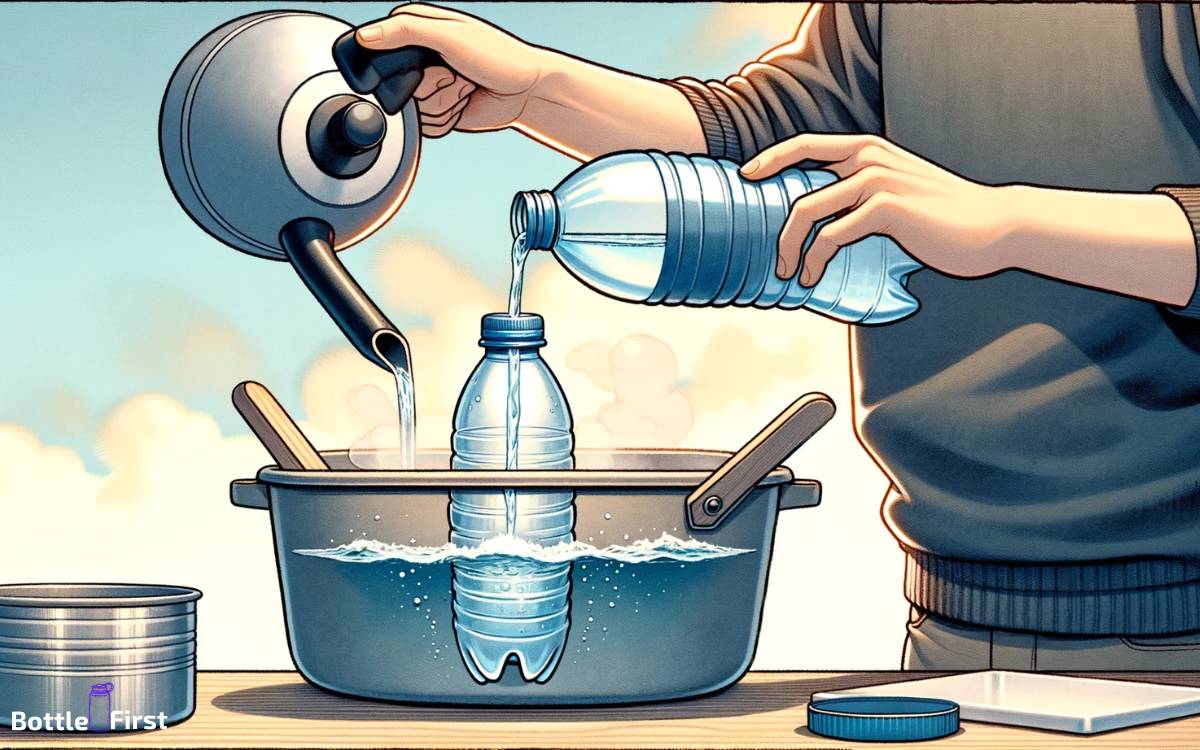
So, picture this: it’s 2 AM, I’m craving instant noodles like my life depends on it, and the kettle just boiled. I grab the nearest bottle—a flimsy, half-crushed plastic water bottle—and pour the steaming water right in. The bottle immediately shriveled, belched steam, and collapsed into a sad, twisted blob. My noodles never stood a chance.
That night, I learned a hard lesson—and probably inhaled microplastics, too. But the real question is: can you actually put boiling water in a plastic bottle without turning your kitchen into a science experiment gone wrong? Let’s break this down, because I’ve got the scars (and the melted bottle) to prove it.
The short answer? It depends on the plastic—but mostly, don’t do it.
Not all plastics are created equal, and that’s where things get tricky. You see that little triangle on the bottom of the bottle with a number inside? That number matters. Most single-use bottles—like the one I destroyed—are made from PET (polyethylene terephthalate), marked with a 1 inside the triangle. PET is not designed for high heat. Boiling water can warp it, leach chemicals, or cause it to release antimony—a potential toxin.
Must Read
Then there’s the risk of the bottle exploding or spraying hot water everywhere (hello, second-degree burns!). I’ve seen videos of people trying this with soda bottles—it’s basically a cheap geyser. You might be lucky, but I wouldn’t bet my eyebrows on it.
So, what about “safe” plastics?
You’ve probably seen those rugged, reusable bottles labeled BPA-free or marked with a 5 (PP, polypropylene) or 7 (other) for hot liquids. Even then, “safe” is relative. A study from the University of Copenhagen found that even BPA-free plastics can leach estrogen-mimicking chemicals when heated—especially with boiling water. So, that trendy water bottle you use for morning tea? Maybe not your best bet for 212°F water.
If you must use a plastic bottle for hot water—say, for camping or emergency—choose one labeled “heat-resistant” or “for hot liquids.” Check for a 5 or 7 symbol, and never seal it tight immediately. The pressure can build up and launch the cap like a rocket. (Fun party trick? Only if you want a lawsuit.)
 ️ Boiling Water in a Plastic Bottle - Survival Basics - YouTube
But really, why risk it when you have better options?
Look, I get it—sometimes you’re in a pinch and the only container is that plastic bottle. In that case, cool the water just a bit first (let it sit for 30 seconds) or use a stainless steel or glass container instead. Glass is king for hot liquids—zero leaching, zero melting. It’s a no-brainer. A good thermos or mason jar will save you from plastic soup.
Also, consider the environmental angle. Reusing a single-use plastic bottle for hot water not only risks your health but also speeds up its decomposition, releasing microplastics into your drink—and eventually, into the environment. It’s like double-karma mugshot.
What I do now (because I’m not a total hypocrite)
I keep a glass teapot and a stainless steel flask handy for anything hot. For cold water, I use a reusable BPA-free plastic bottle—but never, ever for boiling. I learned that lesson the hard way, with a melted bottle and a floor that smelled like a failed chemistry lab. Save yourself the cringe.
So, can you put boiling water in a plastic bottle? Technically, yes—if you love microplastics, burns, and spontaneous explosions. But if you value your health, your kitchen, and your dignity, stick to glass, stainless steel, or ceramic. Your noodle-night self will thank you.
