Is Hot Water Or Cold Water Better For You

It’s a debate as old as plumbing itself: is a steaming mug of hot water your morning elixir, or does a crisp glass of cold water do the body better? We’ve all stood at the tap...
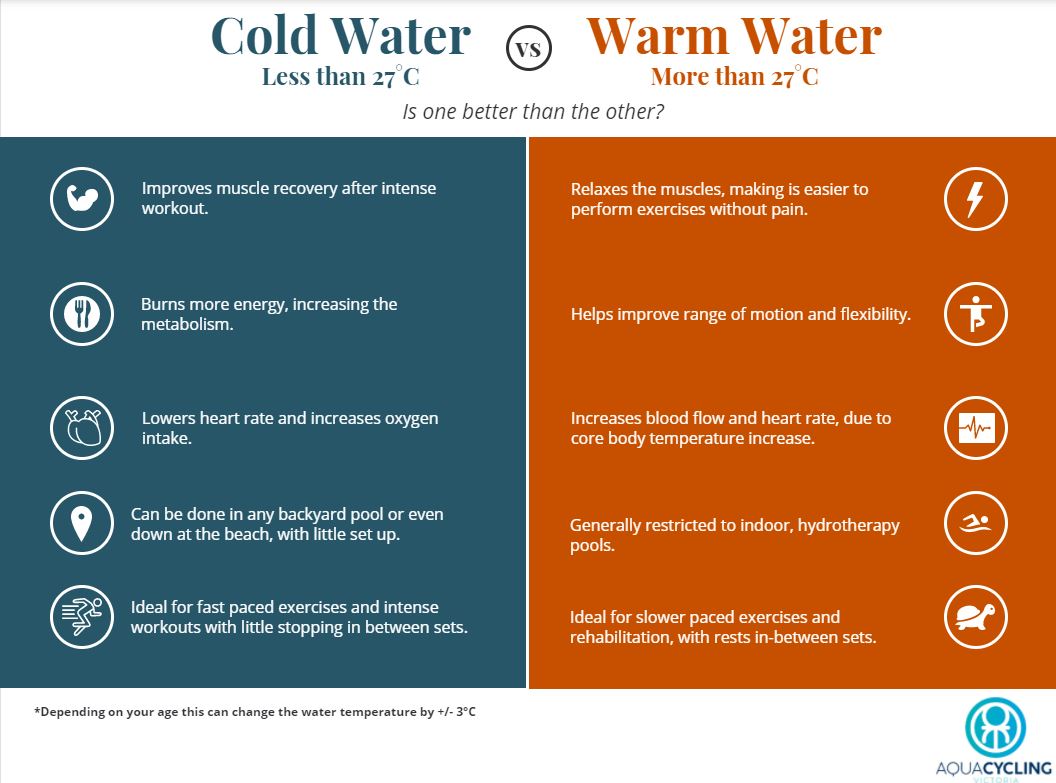
It’s a debate as old as plumbing itself: is a steaming mug of hot water your morning elixir, or does a crisp glass of cold water do the body better? We’ve all stood at the tap, wondering which stream holds the secret to better digestion, clearer skin, and that elusive “balance.” Let’s settle in and get to the bottom of this liquid dilemma, no pressure needed—just a little curiosity.
The Great Temperature Tug-of-War
First, a quick reality check: your body is a master thermostat. Whether you sip hot tea or ice water, your core temperature adjusts within minutes, so no single drink will shock your system into failure. But the experience—and some subtle physiological effects—differ wildly. Hot water advocates point to ancient traditions like Chinese medicine, where warm water is considered essential for “warming the spleen” and moving energy, or qi. Cold water fans, meanwhile, swear by its refreshing jolt and post-workout cool-down magic.
Biologically, temperature does influence your blood flow. Warm water can dilate blood vessels slightly, which may ease muscle tension and promote a sense of calm. Cold water triggers vasoconstriction—your blood vessels narrow—which can reduce inflammation and swelling. Neither is “wrong,” but your choice might just hinge on whether you want to relax or revive.
Must Read
Hot Water: The Digestive Hug
Ever noticed how a warm mug of lemon water feels like a gentle nudge to your insides? That’s not placebo. Hot water can stimulate the digestive tract, helping break down fats and move things along—a trick often used in Ayurveda for sluggish mornings. Research even suggests that drinking warm water before meals may improve bowel movements and reduce bloating, especially when sipped slowly.
But let’s be real: scalding water is a no-go. The World Health Organization warns that beverages above 65°C (149°F) can damage the esophagus, so let it cool to a comfortable steam. Pair it with a slice of ginger or a squeeze of lemon, and you’ve got a ritual that feels like a mini spa treatment for your insides.
Cold Water: The Performance Fuel
Now, step off the yoga mat and onto the track. Cold water shines brightest when your body is in motion. Studies show that drinking cold water during exercise can lower core body temperature faster, reducing fatigue and improving endurance by up to 15%. For a runner in July, that icy gulp is pure gold.
But here’s the twist: cold water can temporarily constrict blood vessels in the stomach, which might slow digestion if you gulp it with a heavy meal. The solution? Sip cool water around workouts, but go warm for leisurely meals. Fun fact: in Japan, it’s almost taboo to serve cold water with food, while in America, a tall glass of ice is the default. Culture, meet biology.
Practical Tips for the Real World
So, what do you actually do? Start your morning with a cup of warm water (not boiling) to wake up your digestion—add a pinch of cinnamon for a flavor boost. After a workout, reach for cool water (10–15°C) to rehydrate fast and cool down. If you’re stressed or battling a stuffy nose, warm water with honey can soothe inflammation.
 10 Scientifically Proven Health Benefits Of Drinking Hot Water
Want a fun challenge? Try a “temperature check” week. One week, drink only warm water; the next, only cold. Notice how you feel—your energy, your digestion, your mood. You might find that your body prefers a hot cup at 10 AM and a cold one at 4 PM. Listen to it.
And here’s a quirky fact: your taste buds are less sensitive to cold temperatures, so ice water can actually mask impurities in tap water. If your local supply tastes metallic, pour it over ice and you might not notice. Conversely, warm water brings out the subtle flavors of herbal tea or lemon—a delightful sensory shift.
The Cultural Wave
From the rooibos of South Africa to the garcinia iced teas of Southeast Asia, civilizations have long celebrated both ends of the thermometer. In Korea, drinking cold water postpartum is considered dangerous, while in Mexico, agua fresca with crushed ice is a national treasure. Neither is “right”—they’re just different lenses on health and comfort.
Modern science backs both camps: a 2022 review in the Journal of Physiological Anthropology found no significant difference in hydration between warm and cold water, but did note that cold water can increase calorie burning slightly (by 5-10%) as your body works to warm it up. It’s a tiny plus, but a fun one to mention at parties.
The Verdict: It’s Personal
At the end of the day, the best water temperature is the one you’ll actually drink. Dehydration is a far bigger enemy than a lukewarm glass. So if ice cubes make you happy, fill that tumbler with frost. If a warm mug feels like a morning hug, steep it with care. Your body is smarter than any headline—just listen to its whispers.
As you reach for your next glass, take a breath. Notice the temperature on your lips, the feeling as it moves through you. Whether it’s hot or cold, this simple act connects you to a rhythm as old as Earth itself. So drink up, and savor the choice. You’re already ahead of the game.
