Which Water Filter Is Better Pur Or Brita

Let’s be honest: buying a water filter is about as thrilling as shopping for dental floss. Yet here we are, staring down the aisle at two titans of tap-water improvement: Brit...
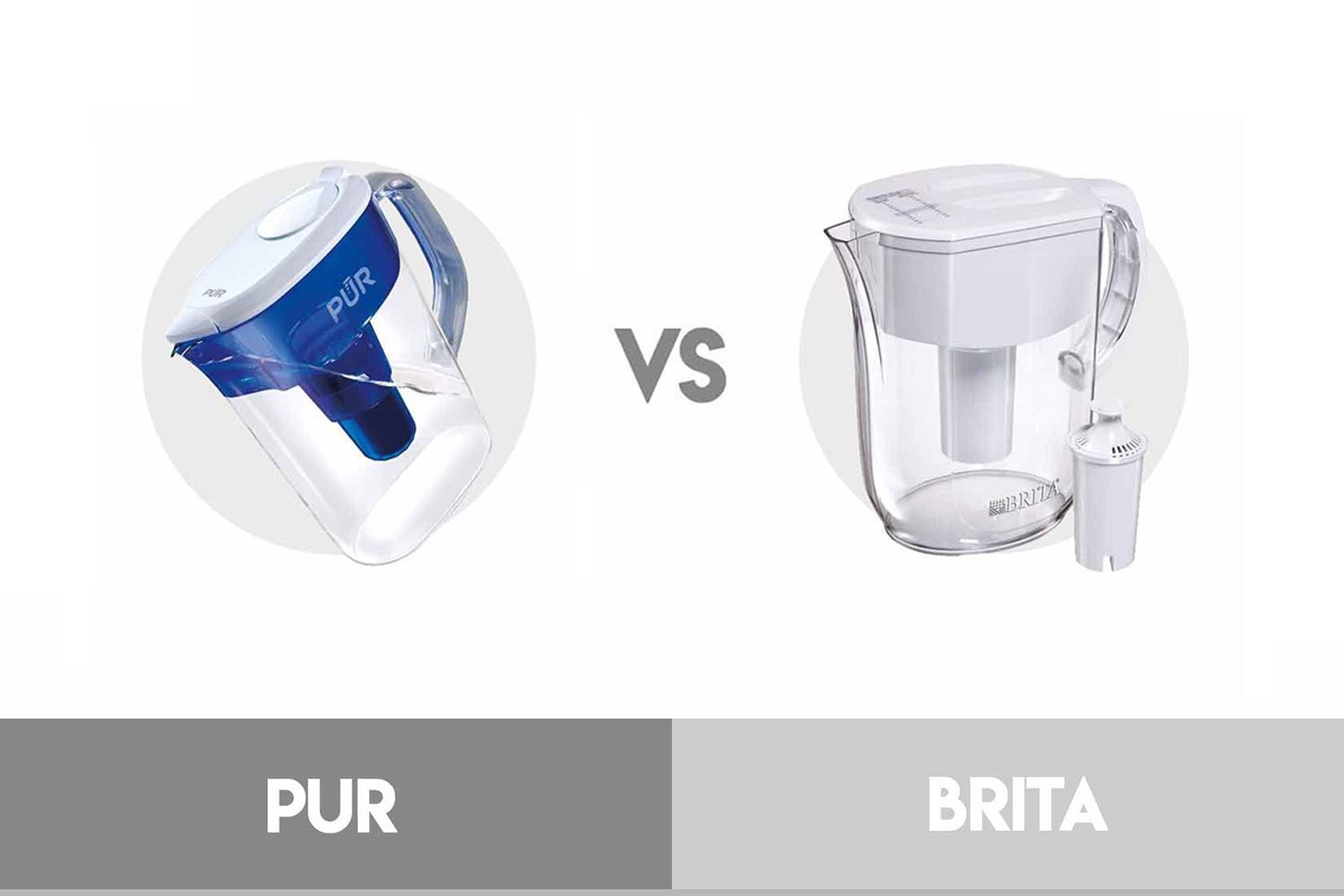
Let’s be honest: buying a water filter is about as thrilling as shopping for dental floss. Yet here we are, staring down the aisle at two titans of tap-water improvement: Brita and Pur. You’ve come to settle the score, and I’m your referee—decked out in a black-and-white shirt and armed with way too much opinion about something that sits in your fridge.
The Heavyweights Enter the Ring
Brita is the cool, popular kid who’s been around since your mom used it in 1995. Pur is the edgy newcomer that promises to scrub your water so clean it apologizes for the taste. Both claim to remove the usual suspects: chlorine, lead, and that weird metallic “I think my pipes are haunted” flavor.
But here’s the twist: they use different secret sauces. Brita relies on activated carbon and ion exchange resin—fancy words for “a charcoal sponge and some magnet rocks.” Pur uses a carbon block plus an FDA-approved ion exchange, which sounds like a sci-fi spaceship part, but it actually filters more stuff out, including 96% of mercury and 99% of lead.
Must Read
Translation? Pur won the laboratory test like an overachieving nerd. But you don’t drink lab reports, so let’s get practical.
Testing the Waters (Literally)
I did a taste test with my neighbor, Dave, who is a human pH meter. Dave hates his tap water so much he once tried to filter it with a sock. We tried both on same-city water—the kind that tastes like a swimming pool’s cousin dropped by for a visit.
Brita made the water taste clean and neutral, like water that’s been to therapy. Pur gave it a slightly “crisper” finish, like someone added a wink of mountain spring. Dave said, “Pur feels like it has person-ality,” then immediately poured a glass of whiskey with it. He’s not wrong.
But here’s the fun part: Brita’s filters last about 40 gallons or two months—whichever lie you tell yourself before you forget to change it. Pur’s filters last a whopping 100 gallons, or roughly the same time it takes you to remember you own a water filter.
The Plastic Pitcher Problem
Let’s talk design, because you have to look at this thing on your counter. Brita pitchers are like the Toyota Camry of home goods: they come in boring colors that your grandma finds acceptable. Pur pitchers look like someone at IKEA was told, “Make it look futuristic, but cheap.”
Surprisingly, Pur wins ergonomics. Their lids actually stay on when you pour—Brita’s lid is a traitor that flings off like a drunk friend on a roller coaster. I lost count of how many times I’ve drenched my shoes trying to refill a Brita.
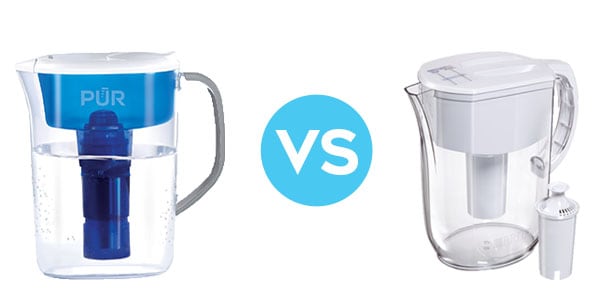 PUR vs. Brita — Best Water Filter Battle | Modern Castle
Oh, and surprising fact: Brita’s plastic is with BPA-free materials now, but Pur uses tritan—a shatterproof, clearer plastic that doesn’t look like it was molded in a high-school shop class. Your kitchen will thank you.
Money Talks, But Your Thirst Whispers
Cost per filter? Brita filters run about $5–$7 each, while Pur filters hover around $6–$8. But remember: Pur’s filter lasts more than double the time. So if you do math longer than three seconds, Pur is actually cheaper over a year. Your wallet just slapped you for not figuring this out earlier.
The countertop jugs cost about the same ($20–$30). But here’s where Pur gets tricky: they have a “faucet mount” version that clamps onto your tap like a parasite. Brita also makes a faucet version, but it’s about as reliable as a Wi-Fi signal in a thunderstorm. If you’re clumsy (welcome to the club), stick with the pitcher.
The Verdict (Dramatic Drumroll)
If you want the most thorough filtration, grab a Pur. It strips out more heavy metals, lasts longer, and sits on your counter without trying to drown you. It’s the filter for people who really, truly hate their tap water and want revenge.
If you’re a nostalgic minimalist, get a Brita. It’s cheaper upfront, fine for “normal” tap water, and the taste is perfectly fine—like a nice song on the radio. Plus, you can find Brita filters at gas stations and garage sales, which is weirdly convenient.
But let’s be real for a second: either choice is light-years better than drinking from your garden hose. And if you’re still here debating, just buy whichever one is on sale. Your tap water is not that complex, Karen.
So fill your glass, toast to your decision, and remember: the best filter is the one you actually use. Preferably while wearing dry shoes.
