Can You Drink Water With A Water Softener

So, you’ve finally caved and installed a water softener. Congratulations. You’re now living that luxurious life where your soap really lathers and your shower glass doesn’t lo...
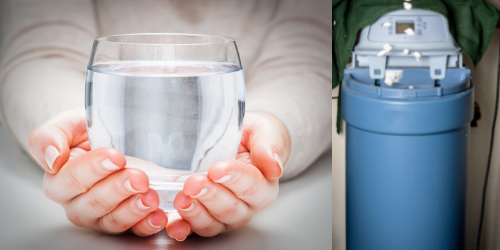
So, you’ve finally caved and installed a water softener. Congratulations. You’re now living that luxurious life where your soap really lathers and your shower glass doesn’t look like a crime scene of white crust. But then, the moment of truth hits: you fill a glass from the tap, and a little voice whispers, “Wait… am I supposed to drink this?” It’s a fair question, honestly. You’re not alone if you’ve taken a sip and immediately wondered if you’ve just swallowed a mouthful of science experiment.
Here’s the easy-going truth: yes, you can absolutely drink water from a water softener. But—and this is a big, squishy “but”—it’s not quite the same as chugging straight from a mountain spring. Think of it like this: regular tap water is a plain bagel. It’s fine, it’s got calcium and magnesium (the “hard” stuff) that gives it that minerally kick. Softened water? That’s a cinnamon raisin bagel. It’s got a little extra something—sodium—swapped in for those minerals. The bagel is still perfectly edible, but you might notice a slightly different taste.
I remember the first time I visited my aunt’s house after she got one. She handed me a glass, and it felt almost silky on my lips. I took a gulp and thought, “Is this… wetter?” It’s not wetter, of course. It’s just that the absence of hard minerals makes the water feel smoother, almost like wearing a pair of silk pajamas compared to your usual flannel sheets. Some people love that slick, soft sensation. Other people? They swear it tastes “flat” or “a little salty,” like the water forgot its personality.
Must Read
The Salty Elephant in the Room
Let’s address the big, salty elephant right now. The “salt” in a water softener isn’t swimming around in your glass like you just dropped a pretzel in there. The process uses salt (sodium chloride) to swap out the hard calcium and magnesium ions for sodium ions. The amount of sodium added is actually quite small—usually around 12.5 milligrams per 8-ounce glass for moderately hard water. To put that in perspective, a slice of white bread has about 150 milligrams of sodium. So, unless you’re on a strict, doctor-prescribed low-sodium diet (like for heart failure or high blood pressure), that little pinch isn’t going to make your blood pressure do the cha-cha.
But you should care about the taste. If you’re a water connoisseur—you know, the kind of person who feels personally attacked by a hint of metal or chlorine—you might find soft water a bit meh. It’s like comparing a crisp, tart Granny Smith apple to a bland, mealy Red Delicious. Both are apples, but one makes your mouth happy. The fix? Keep a pitcher or reusable bottle in the fridge overnight. Cold water masks that faint sodium note, and voilà—you’ve got a drink that’s as refreshing as a gossip session with a close friend.
Beware the Bypass Valve (Your Ingredient Hero)
Here’s where it gets hilarious. Most modern water softeners come with a bypass valve or a separate unsoftened tap. This is your kitchen’s secret weapon. You can set it up so only your bathroom and laundry get the soft stuff (for that amazing hair and clothes that don’t feel like sandpaper), while your kitchen sink stays on hard water. Why? Because plants hate salt. Seriously, if you water your prized fern with softened water, it will give you a look of utter betrayal and promptly droop into a drama queen puddle.
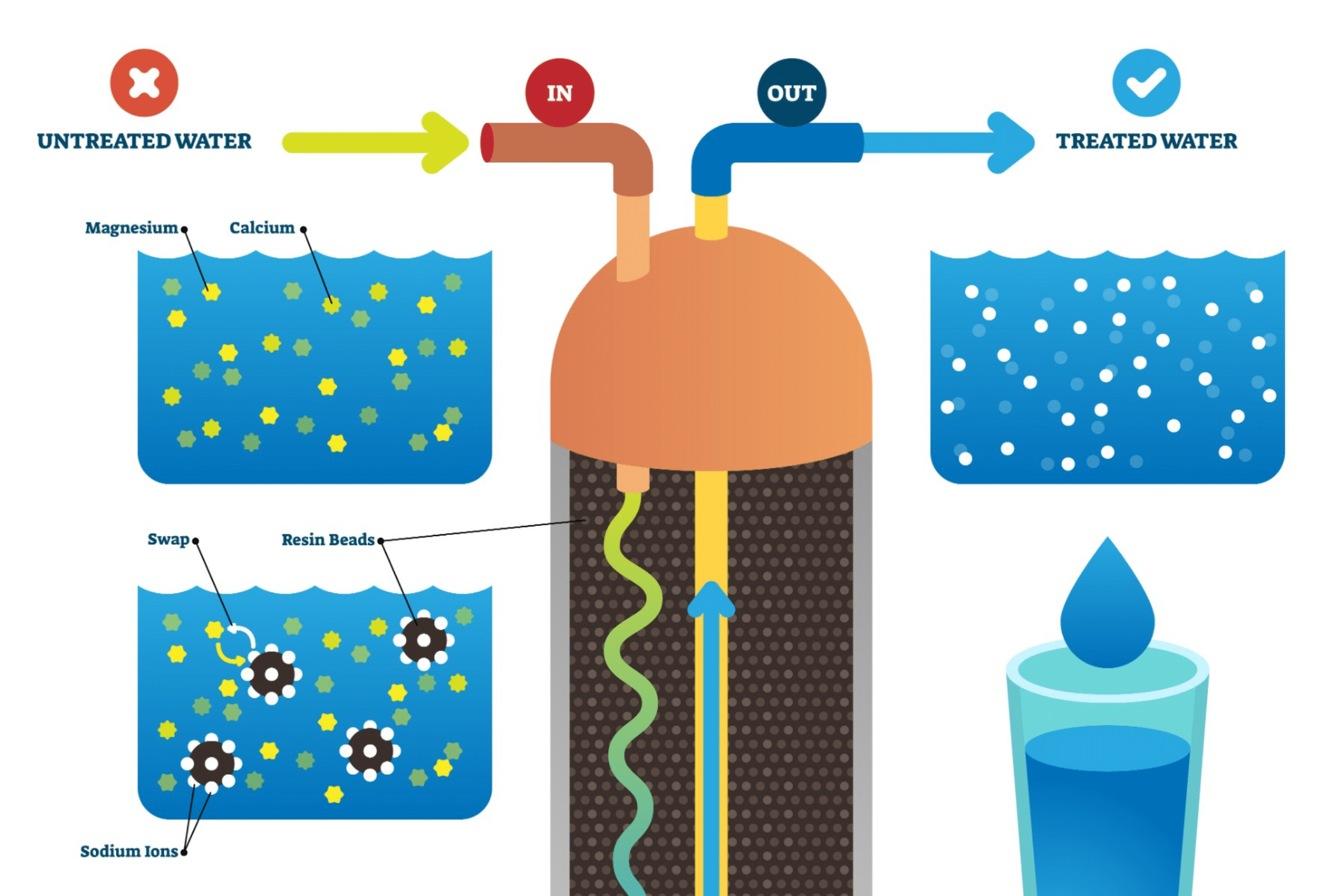 Water Softener Doesn't Work at Joshua Tyler blog
And let’s talk about cooking. Have you ever tried to boil pasta in soft water? It’s possible, but the water might take a little longer to reach a rolling boil. And some bakers swear that hard water gives bread a better rise, like a good pep talk before a big race. So, unless you want your spaghetti to feel slightly defeated, using hard water for cooking is a smart move. Basically, you’re curating your water experience like a DJ curates a playlist—soft water for the shower solo, hard water for the kitchen mix.
What About the Weird Looks?
I’ll be honest: the first time you offer someone a glass of softened water, expect the side-eye. They’ll sniff it, swirl it, and say, “Is this… from your machine?” You’ll feel like a mad scientist serving a mysterious potion. Just say, “Relax, it’s just water with a personality transplant.” Nine times out of ten, they’ll drink it, shrug, and ask for a refill. The tenth person? They’ll be the one who insists on drinking from the garden hose instead. You can’t please everyone.
If you’re genuinely worried about the sodium, here’s a pro tip: you can use potassium chloride instead of regular salt in your softener. It’s pricier, but it adds a healthy dose of potassium (great for your muscles) and barely affects the taste. It’s like upgrading from economy to premium economy—you’re not in first class, but you’re definitely not in the cargo hold.
At the end of the day, drinking softened water is safe and perfectly fine for the average person. It won’t turn you into a human pickle, and it won’t ruin your morning coffee (though some hardcore coffee lovers might disagree). The best advice? Just try it. Fill that glass, take a sip, and see if it makes your taste buds do a happy dance or a confused shrug. If it’s not your jam, that’s what the bypass valve is for. You’re in control, my friend. So go ahead, drink up, and remember: life’s too short for bad water, but it’s also too short to overthink a glass of it.
