How Long Will Bottled Water Last Unopened

You’re standing in your pantry, staring at a case of water bottles you bought during a late-night grocery run. Maybe it was for a road trip that never happened, or a panic-buy...
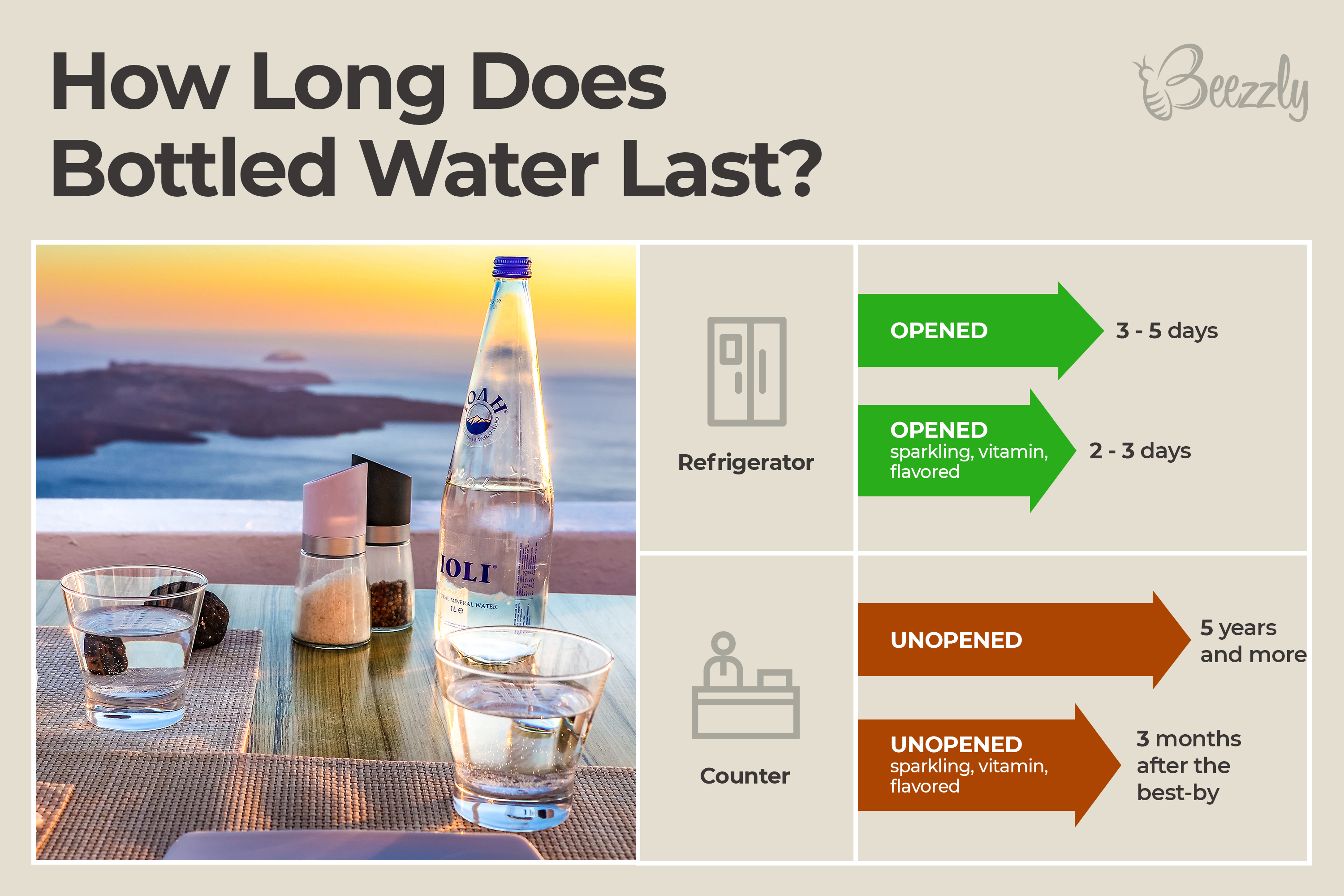
You’re standing in your pantry, staring at a case of water bottles you bought during a late-night grocery run. Maybe it was for a road trip that never happened, or a panic-buy that became a permanent shelf fixture. The question that inevitably bubbles up: how long will bottled water last unopened? It’s a quiet little conundrum that feels both trivial and oddly urgent.
The short, reassuring answer is that unopened bottled water essentially lasts indefinitely from a safety standpoint. The plastic it’s bottled in, however, has a different timeline. Manufacturers typically stamp a two-year expiration date on the label, but that’s less about spoilage and more about quality and the integrity of the packaging.
Think of it like a perfectly preserved time capsule. The water itself won’t “go bad” in the way milk or juice does. It’s just H₂O, after all. But over time, the polyethylene terephthalate (PET) plastic can begin to leach tiny amounts of chemicals into the water, particularly if stored in a hot car or a sunny window.
Must Read
That slightly “plastic” taste you sometimes get from old bottles isn’t dangerous—it’s just a sign that the water’s pristine flavor has moved on without you. The International Bottled Water Association confirms that if stored properly, unopened water is safe to drink far beyond its stamped date. So, that bottle from 2019? Technically safe, but maybe not your first choice for a tasting menu.
Let’s talk about storage, because that’s where the real magic—or tragedy—happens. Temperature is the villain here. If you leave a case of water in your car during a summer heatwave, you’re basically running an experiment in accelerated aging. The plastic degrades faster, and you’re more likely to get that funky hint of polyethylene.
Your pantry or a cool, dark closet is the Goldilocks zone. Cool, dark, and stable. Think of it as the way you’d treat a nice wine, if wine came in plastic and cost seventy-nine cents. Direct sunlight is water’s kryptonite—it can also encourage algae or bacteria growth if the seal is ever compromised.
Fun fact: the bottled water industry was essentially born from a cultural shift in the 1970s, when Perrier became a status symbol. Before that, we just drank tap water and were fine. Fancy water is a relatively modern idea, a quirky pivot from the days of soda fountains and plastic cups.
Here’s a practical tip that feels like a cheat code: rotate your stock. If you buy a case, use it for lunch boxes or gym bags over the next six months. Treat it like a pantry staple—use the oldest first, just like canned beans or pasta. A simple “first in, first out” system keeps your water tasting fresh.
Another pro move: if you’re storing water for emergency preparedness (a wise, calm move), consider switching to glass bottles or food-grade stainless steel containers. They don’t degrade, they don’t leach, and they feel infinitely more satisfying to hold. Plus, they make your emergency kit look like a minimalist design blog.
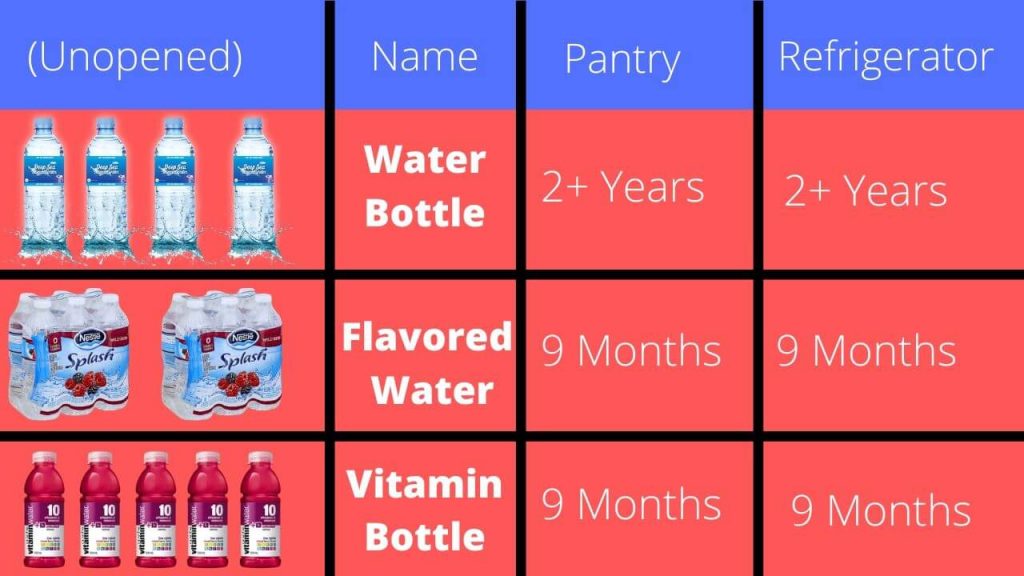 How Long Does Bottled Water Last - Decoding the Expiration Dates
What about the seal? An unopened bottle with a tight, tamper-evident seal is a fortress. The moment you crack it open, the clock starts ticking. That’s when bacteria from your lips or the air can waltz in. But unopened? It’s a sealed ecosystem—quiet, still, and patient.
A cultural side note: remember the great “panic buying” of 2020? Cases of water stacked in garages like currency. A lot of that water is probably still around, gathering dust and curiosity. The good news? Most of it is perfectly fine, as long as it wasn’t stored next to the lawnmower gas can.
For those who like sensory details, imagine this: you’re at a friend’s house, and they pull out a dusty bottle from a forgotten corner. You twist the cap—there’s a faint pop, but no hiss. The water is clear, clean, and tastes like… nothing. That’s a win. Tap water, by contrast, has a signature—minerals, chlorine, a story from your local reservoir.
Here’s a final, crunchy fact: bottled water is more regulated than tap water in some ways, but it’s also less tested for environmental contaminants like microplastics. A 2018 study found that 93% of tested bottled water samples contained microplastic fibers. This has nothing to do with expiration. It’s a gentle nudge to think about what you’re drinking, not just how old it is.
So, the next time you eyeball that forgotten case of water, take a deep breath. You’re not risking a science experiment. You’re simply deciding between “perfectly fine” and “a little bit flat.” If it’s been stored cool, dark, and undisturbed—drink it. Life is too short to waste plastic or worry about perfectly safe water.
In the end, this is a small reflection on how we hold onto things. We stockpile water for security, for convenience, for the fantasy of being prepared. But water is meant to be flowing, to be consumed, to nourish. Don’t let it become a museum piece in your pantry. Open a bottle, drink it, and feel the simple satisfaction of using what you have. That, more than any expiration date, is the real takeaway.
