Do 5 Gallon Water Jugs Have Microplastics

So, you’ve been chugging water from those big, blue 5-gallon jugs, feeling smug about your hydration game. You think you’re basically a mountain spring in human form, right? W...
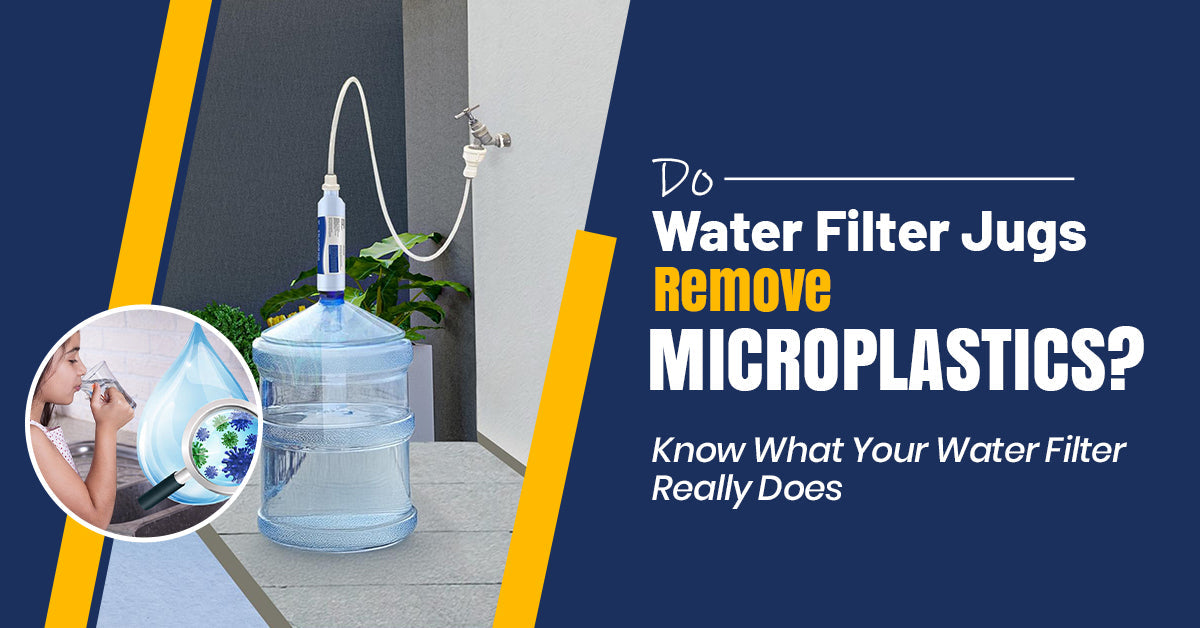
So, you’ve been chugging water from those big, blue 5-gallon jugs, feeling smug about your hydration game. You think you’re basically a mountain spring in human form, right? Well, grab a seat, because we’re about to pop that plastic bubble like a bad pool float.
Here’s the bad news that bums out even the most enthusiastic wellness influencers: yes, those jugs probably have microplastics in them. Probably is doing a lot of heavy lifting, but the research isn't exactly a clean bill of health. It’s like finding out your reliable café buddy has been secretly dipping their biscotti in your latte.
What’s a Microplastic, and Why Should You Care?
Think of microplastics as the glitter of the industrial world—minus the fun and plus the existential dread. They’re tiny plastic bits, smaller than a sesame seed, that flake off everything from water bottles to car tires. You’re essentially drinking the leftovers from a million Tupperware parties.
Must Read
Your 5-gallon jug isn’t made of the same stuff as a disposable water bottle. It’s usually polycarbonate (tough, reusable plastic) or PET (like a thicker soda bottle). And here’s the kicker: polycarbonate can leach bisphenol A (BPA), a chemical that loves to act like a hormonal prankster in your body.
But it’s not just the chemical; it’s the physical particles. A study in the journal Environmental Science & Technology found that a single liter of bottled water can contain thousands of microplastic fragments. So, your 5-gallon jug? That’s a microplastic buffet with a side of tap water.
How Do They Even Get In There?
First, let’s talk about manufacturing. Those jugs are blow-molded at high temperatures, like a plastic balloon being made from a fiery fart. That process can create teeny-tiny plastic shavings that just hang out, waiting to hitch a ride into your glass.
Then there’s transport. Your jug gets bounced around on delivery trucks, clanking against other plastic jugs. Each bump is a little plastic dance that sheds flakes. Imagine a snow globe made of industrial waste, and you’re the one shaking it.
Don’t forget the cap. The twisty top is often made from a different type of plastic (polypropylene). Over time, as you twist and shout to open that sucker, microplastics flake off directly into the water. It’s like a plastic pepper grinder, but for your hydration.
Are We Talking Poison or Just a Nuisance?
Honestly? We don’t know yet. Scientists are still arguing over whether eating a credit card’s worth of plastic a week (which we all do) will cause issues. It’s like being in a long-term relationship with a weird roommate—not immediately toxic, but you’re side-eyeing their habits.
What we do know is that human tissues now contain microplastics. A 2020 study found them in human placentas. That’s right: before you even enter the world, you’re already a little bit plastic. Welcome to the 21st century, kid.
 Do 5 Gallon Water Jugs Have Microplastics? What You Need to Know
But here’s a weirdly reassuring fact: our bodies are surprisingly good at pooping out plastic. Most microplastics are too large to be absorbed, so they just… pass through. Think of your digestive system as a really unimpressed bouncer kicking plastic out of the club.
The Surprising Winner: Tap Water
Here’s the plot twist you didn’t see coming: tap water often has fewer microplastics than bottled water. A 2019 study from the World Health Organization found that bottled water has, on average, twice as many microplastic particles as tap water. So your fancy 5-gallon jug is basically a plastic soup delivery system compared to your kitchen faucet.
But wait—tap water has its own microplastics, from pipes and treatment plants. It’s just that the concentration is lower. So it’s like choosing between a slice of pepperoni pizza and a whole pie. One is better, but you’re still eating pizza.
So, Should You Ditch the 5-Gallon Jug?
Only if you’re ready to join a glass-jug cult. Glass is non-porous, inert, and doesn’t shed plastic. But good luck finding a glass 5-gallon jug that won’t break your back or your foot. Or you could go full caveman and drink from a stainless steel water fountain.
If you must use plastic jugs, look for BPA-free polycarbonate or jugs made from PET. But remember: “BPA-free” often means they swapped BPA for BPS, which might be equally naughty. It’s like swapping a venomous snake for a poisonous frog.
Pro tip: Don’t leave your jug in a hot car. Heat makes plastic particles break off faster. Your water will taste like a melted car dashboard. Also, don’t reuse single-use plastic jugs over and over—that’s like wearing the same pair of underwear for a month. Bacteria and plastic flake city.
The Final Sip (Pun Intended)
Look, life is already full of tiny terrors—taxes, traffic, and now microplastics. But drinking from a 5-gallon jug isn’t going to turn you into a plastic mutant. Your body is a magnificent machine that can handle a little glitter from the industrial apocalypse.
So go ahead, fill up your cup. Just maybe think about switching to a stainless steel first. Or, you know, a filtered glass. And if you start seeing tiny plastic ducks swimming in your water? That’s probably just your imagination. Probably.
