Water Pollution Affecting The Environment

You know that feeling when you’re at the beach, and you step into a puddle that’s just… wrong? Not the crisp, salty shock you expect, but a tepid, slimy film that clings to yo...
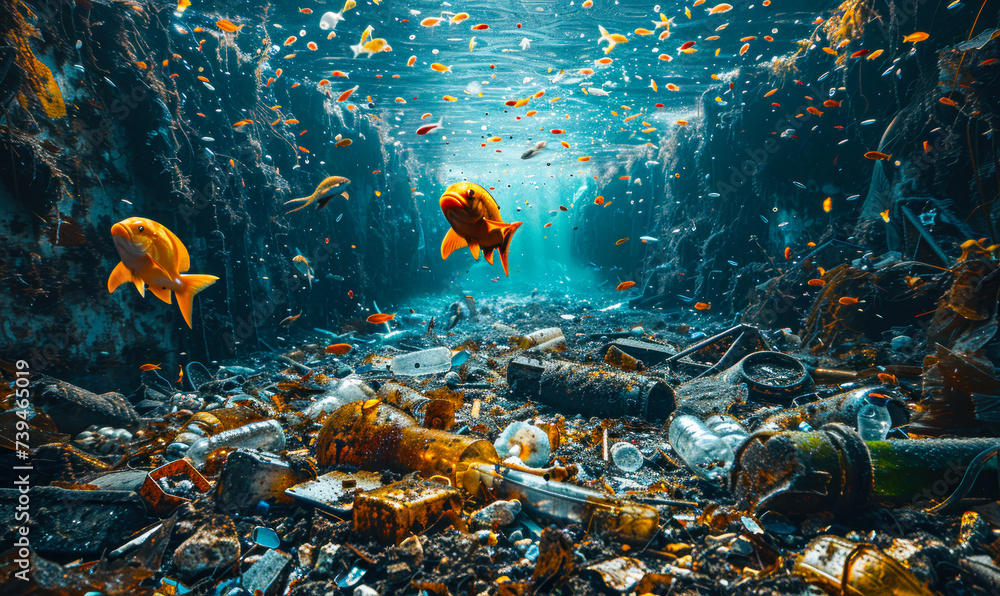
You know that feeling when you’re at the beach, and you step into a puddle that’s just… wrong? Not the crisp, salty shock you expect, but a tepid, slimy film that clings to your leg like a wet sock. I had that moment last summer, watching a candy wrapper and some weird foam swirl together at my feet. I looked up, and the rest of the ocean looked fine—but that little puddle? It was a tiny, gross confession.
That’s the thing about water pollution. It doesn’t always announce itself with a horror-movie green slime. It sneaks in, one plastic bottle and one chemical runoff at a time, until “normal” water starts to feel a little off. And then, before you know it, the environment is paying the tab for our convenience.
The invisible soup we’re swimming in
Let’s talk about what’s actually in our water right now. It’s a cocktail of everything we’ve flushed, dumped, or carelessly tossed aside. We’re not just dealing with trash you can see—though that’s bad enough—but with microplastics, pesticides, and those fancy “forever chemicals” from your non-stick pan.
Must Read
Think about your morning shower. That soap? The shampoo with the glitter? Down the drain it goes, into rivers and eventually the ocean, still chemically alive. Scientists are now finding that these chemicals mess with fish hormones—literally turning male fish into egg-producers. (No joke. Google “intersex fish” when you want to lose your faith in humanity.)
And here’s the kicker: we’re downstream of everything. We are the fish in this story. That cute little farm runoff that makes algae bloom in your local lake? That algae sucks all the oxygen out of the water, creating dead zones where nothing can live—except for bacteria that, yes, can make you sick if you swim in it.
The ripple effect that goes way beyond fish
Pollution doesn’t stay in the water. It travels. When toxic chemicals hit a river, they don’t just stay in the current—they sink into the mud, get eaten by tiny bugs, then those bugs get eaten by fish, and you get a nice side of mercury with your sushi. It’s called bioaccumulation, and it’s the ultimate “pay it forward” system, but in the worst way possible.
Even the birds aren’t safe. Think of those majestic eagles you see in nature documentaries. They eat fish from polluted waters—and now their eggs are getting so thin from DDT and other leftovers that they crack before the chicks hatch. (Nice job, 1950s pesticide industry—you really left a legacy.)
Then there’s the coral reefs. They’re basically the underwater condos for a quarter of all marine life. But when fertilizer runs into the sea, it triggers algae that smothers the coral like a bad blanket. The coral bleaches white—it’s basically screaming for help in color—and if it dies, thousands of species lose their home. Poof. Gone.
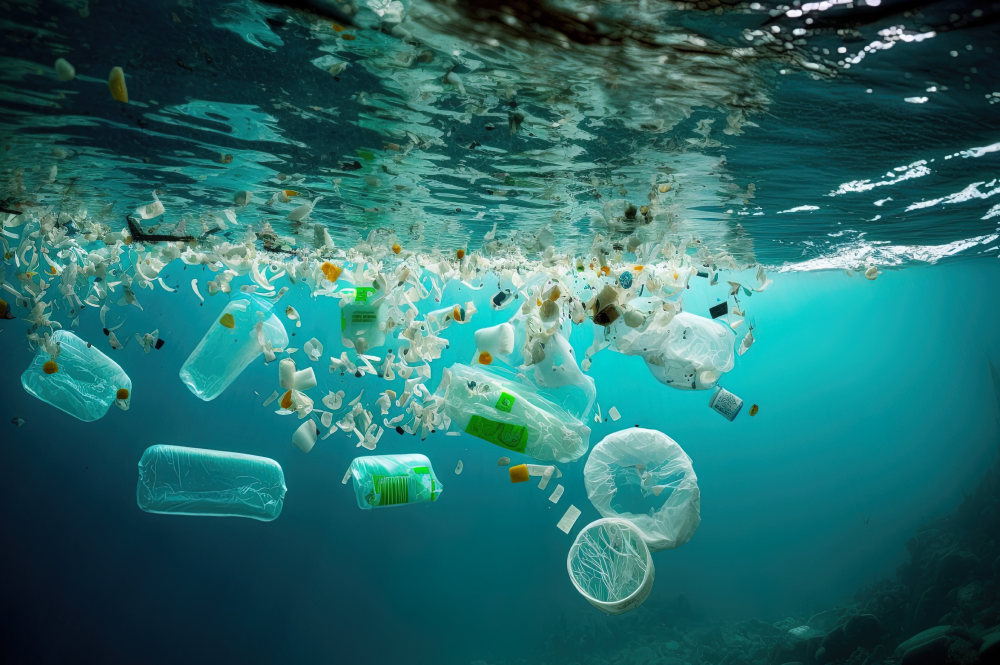 Plastics In The Environment As Potential Threat To Life An Overview at
Okay, but what can I actually do? (You’ve heard this before, but…)
I know, I know—you’re one person. The big pipes are owned by corporations. But here’s the sneaky reality: you are the consumer. Every time you choose a bar soap over a bottled shower gel, you’re cutting down on plastic packaging. Every time you skip the lawn pesticide, you’re keeping that poison out of the storm drain that leads straight to a creek.
Start paying attention to what goes down your sink. Cooking grease? Don’t pour it down the drain—it solidifies and creates “fatbergs” the size of cars in sewers. (Look up “London fatberg 2023” if you want to see a nightmare made of congealed lard.)
Also, vote with your wallet and your actual vote. Support brands that use recycled materials and push for better wastewater treatment laws. It sounds boring, but it works. The Cuyahoga River in Ohio literally caught on fire in 1969 from pollution, and now people fish in it again because citizens got pissed off and demanded change.
A small, weird hope to end on
I won’t sugarcoat it—this is messy and slow. But I keep thinking about that beach puddle. If enough people notice that wrong feeling and ask why, maybe we stop making those puddles in the first place. And maybe the next time you’re at the beach, the only thing clinging to your leg is seaweed, not shame.
So flush responsibly, skip the glitter shampoo, and maybe—just maybe—the fish will thank you. Or at least they won’t turn into tiny hormone disasters. Baby steps, people.
