Water Softener Has Water In The Salt Tank

So you peeked into your water softener’s salt tank and found a swimming pool where there should be a dry, salty desert. Welcome to the club. This is the appliance equivalent o...
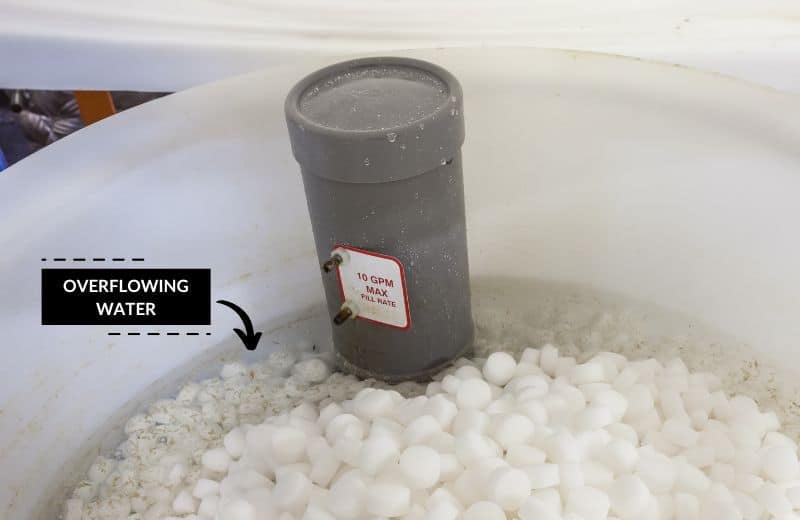
So you peeked into your water softener’s salt tank and found a swimming pool where there should be a dry, salty desert. Welcome to the club. This is the appliance equivalent of finding your cat sleeping in the laundry basket: weird, slightly annoying, but also a little bit funny. Don’t panic—you haven’t broken the laws of plumbing physics.
The Big, Soggy Truth
First, a surprising fact: your softener needs some water in the tank to make brine. That’s like saying your coffee maker needs a few drops to brew—it’s the secret sauce. But when the water rises above the salt, you’ve got a problem. It’s a salt slushy nobody ordered.
This soggy situation usually means one of two things: a stuck float valve or a clogged drain line. Imagine a toilet that keeps running, but instead of flushing, it makes your salt cry. The float valve, that little plastic buoy, can get jammed by salt crust. It’s like a tiny lifeguard who’s fallen asleep on duty.
Must Read
The Usual Suspects (Meet the Villains)
Salt bridges are the most common culprit. That’s a hard crust of salt that forms a hollow bridge over a pocket of water. You think the tank is full of salt, but it’s really a fragile cave. Push a broom handle down into the salt—if it hits a hard layer with nothing below, you’ve found the bridge. It’s like discovering a crunchy topping on a bowl of soup you didn’t order.
Another villain is dirty salt. Cheap, rock salt contains clay and debris that turn into a sludgy paste. This goo clogs the suction line like a teenager’s hair clogging a shower drain. Use only clean, evaporated salt pellets. Your softener deserves a spa day, not a mud bath.
The Fix: Operation Dry Salt Pants
First, scoop out the excess water with a bucket or a wet-dry vac. This is your chance to feel like a plumber on a reality show—just don’t drink the brine. Next, break up any salt bridges with a broom handle. Be aggressive, but gentle enough not to crack the tank. It’s a salt whack-a-mole.
Then, check the drain hose for kinks or clogs. A hose that’s bent like a pretzel can back up water. Straighten it out, and if it’s gunked, flush it with vinegar. Vinegar: the duct tape of household chemistry. Finally, adjust the float valve so it sits at the correct water level. Most manufacturers want the water about two inches below the salt. Think of it as a salt bathtub that’s only halfway full.
The Surprising Fact Your Plumber Won’t Tell You
Believe it or not, a water softener tank that’s too full of water can actually reduce the softener’s efficiency. The brine becomes so diluted it’s like weak tea. Your water might even feel a little slimy—that’s from excess sodium clinging to your skin. You’re basically showering in a low-salt pretzel bath.
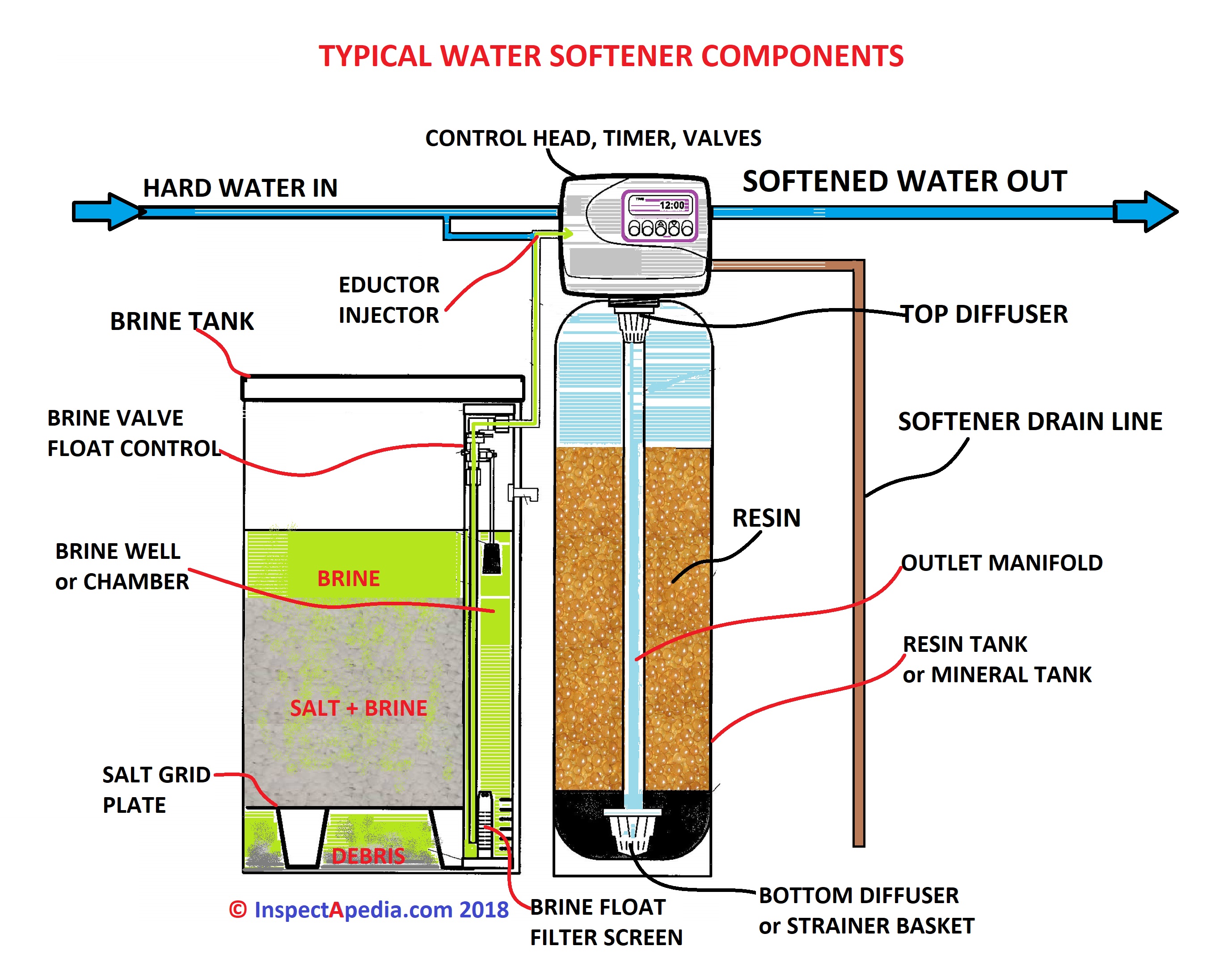 Salt Sludge In Water Softener _ what is the brown foam and sludge in my
Also, never use pool salt or solar salt in a softener. I know, it’s tempting because it’s cheap. But pool salt has additives that turn into a sticky gunk that looks like gray snot. Your softener will protest by making angry gurgling sounds. Trust me: you don’t want your appliances to have opinions.
When to Call the Pros (and Bribe Them with Cookies)
If you’ve done all the above and your tank still looks like a swamp, call a plumber. A broken brine valve or a cracked tank needs professional hands. But before you dial, check the water level one last time. Is it really high, or are you just worried? Sometimes a little water is normal—like a goldfish bowl that needs a top-off.
Here’s a playful exaggeration: if left unchecked, your water softener will evolve into a small aquarium. You’ll be searching for tiny salt-resistant fish. But in reality, you just need to clear the bridge and recalibrate the float. You’ve got this.
Final Thoughts (and a Bad Joke)
So next time you see water in the salt tank, don’t scream. Laugh. It’s not a flood; it’s a learning experience. Your softener is basically a high-maintenance pet that needs occasional CPR. Remember: dry salt, clean lines, and a float that floats. That’s the softener version of eat, sleep, rave, repeat.
And hey, if all else fails, just tell your guests it’s an experimental indoor brine pool. They’ll be too confused to judge. You’re welcome.
