Water Softener Salt Tank Is Full Of Water

So, you walk by your water softener one morning, peer into the salt tank, and—whoa. It’s not full of salt. It’s full of water. Like, a mini swimming pool just living in your b...
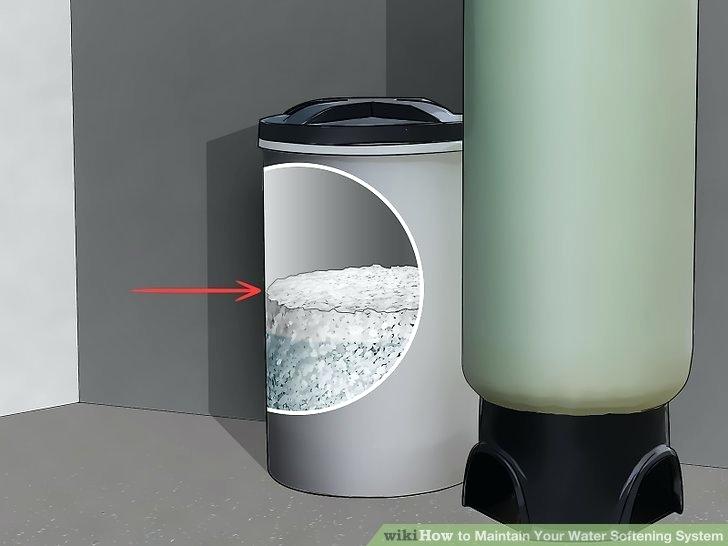
So, you walk by your water softener one morning, peer into the salt tank, and—whoa. It’s not full of salt. It’s full of water. Like, a mini swimming pool just living in your basement. Before you panic, take a breath. This is actually way more common than you think, and it’s not always a disaster.
In fact, that water is a sign your system is doing its job—part of the time. Your water softener works like a tiny, robotic chemist. It needs water to flush out the hard minerals and recharge the resin beads that make your water silky soft. Think of it as a bath for the machine.
Why is it so full?
There’s a simple reason, and a few slightly less simple ones. The most chill explanation? Your salt just dissolved over time, leaving behind liquid. The tank is designed to hold water, but too much water can feel like a red flag. So what gives?
Must Read
One common culprit is a clogged drain line. Imagine trying to drink a thick milkshake through a straw that has a wad of gum in it. That’s your softener’s brine line when it’s blocked. The system pumps water in to make brine, but the water can’t drain out properly, so it just sits there.
Another possibility is a stuck valve. Your softener has little internal doors that open and close during its cycles. If one of those doors gets a little lazy and stays open, water keeps flowing in like a faucet you forgot to turn off. It’s not a disaster—just a lazy part that needs a nudge.
But wait—is it actually broken?
Here’s where it gets interesting. A salt tank full of water might feel like your whole system is throwing a tantrum. But sometimes, it’s just normal. After a regeneration cycle, the tank should drain. If you catch it right after that cycle, though, it’s supposed to look full. Patience, young grasshopper.
Compare it to your washing machine. You don’t panic when the drum is full of water mid-cycle, right? Your softener is the same. Give it a few hours. If the water drains away magically on its own, you’re golden. If it sticks around like an unwelcome guest, then we have something to talk about.
The “salt bridge” mystery
Here’s a cool term to impress your friends: salt bridge. This is when a hard crust of salt forms above the water, creating a hollow cave underneath. You look in the tank and see a solid layer of salt—but below, it’s just a puddle. It looks like the tank is full of water, but really, it’s a hidden water park.
Breaking up that crust feels oddly satisfying. Just poke it gently with a broom handle (no, seriously, that’s the official fix). Once you crack through, the water levels drop, and your softener breathes again. It’s like popping a giant bubble.
 Salt Tank Full of Water? 5 Common Causes & How to Fix Them - DIYself.blog
What’s the big deal?
So why should you care about a little extra water? Well, too much water means your salt might not dissolve correctly. That means your water softener isn’t actually softening your water. Your shower might get that sticky, hard-water feel again, and your dishes might spot up like they’re trying to be artsy.
But here’s the fun part: a full tank also means you’re using more salt than you need. It’s like over-salting your fries—wasteful and messy. Your wallet might start whispering sad noises.
When to call in the pros
If the water stays for more than 24 hours, or if it smells like a swamp, you’ve got a problem. A swampy smell means bacteria have decided to throw a party in your softener. Nobody invited them. A simple clean with some bleach can kick them out, but a blocked injector might need a plumber’s touch.
Think of it like your car’s check engine light: you don’t have to freak out, but you do have to pay attention. Most issues are tiny fixes—like clearing a small clog or replacing a $5 part. Honestly, it’s more mysterious than catastrophic.
The cool takeaway
Your water softener is a weird little friend. It drinks water, spits out salt, and makes your hair feel like silk. A full water tank is just its way of saying, “Hey, I’m trying something new here.” Most of the time, it’s a simple hiccup, not a heart attack.
So next time you see that tank full of water, take a curious breath. Ask yourself: Is it draining? Is there a crust? Did I just run a cycle? You might find the answer is as simple as poking a salt bridge or waiting a few hours. And if it’s not? Well, now you know exactly what to Google. Stay soft, my friend.
