Is Distilled Water Better For Humidifiers

So, you’ve purchased a humidifier. Congratulations. You’ve officially joined the ranks of people who wake up with sinuses that don’t feel like the Sahara Desert. But now you’r...

So, you’ve purchased a humidifier. Congratulations. You’ve officially joined the ranks of people who wake up with sinuses that don’t feel like the Sahara Desert. But now you’re staring at a shelf of water bottles, wondering: should I spend my hard-earned cash on distilled water, or just pour in whatever comes out of the tap like a reckless cowboy?
Let me save you some Googling: distilled water is better for your humidifier. But the story is way funnier—and grosser—than you think.
The Secret Life of Tap Water
Tap water is not just H₂O. It’s a chaotic cocktail of minerals, chlorine, and microscopic surprises. Think of it as a tiny, invisible rave happening inside your humidifier tank.
Must Read
When you run tap water through your machine, those minerals don’t just disappear. They get blasted into the air as a fine, white dust that settles on your furniture like a sad snowman in July. You’ll start finding chalky residue on your TV, your coffee table, and—yes—your cat.
One user on Reddit called it “humidifier dandruff.” I haven’t laughed that hard since my uncle tried to assemble an IKEA dresser with a butter knife.
The White Dust Apocalypse
That white dust isn’t just annoying; it’s mineral scale. Calcium and magnesium build up inside your machine like a tiny limestone cave. After a month, your humidifier starts gurgling like it’s coughing up a pebble.
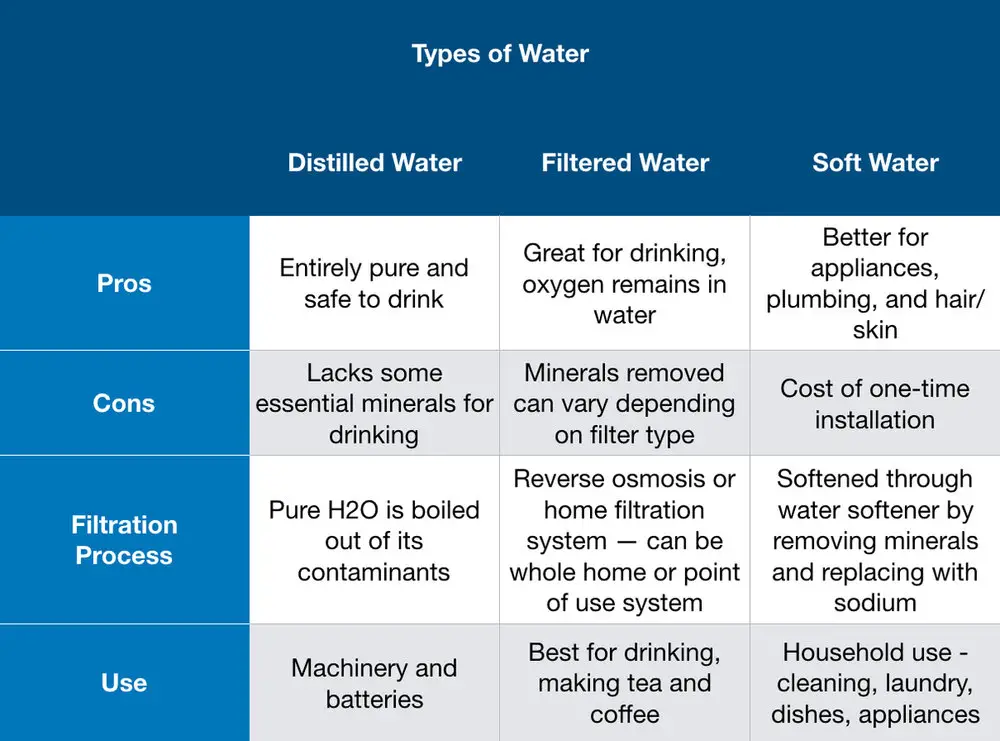
Distilled water, on the other hand, is the water equivalent of a monk in a silent retreat. It’s been boiled, steamed, and stripped of all impurities. No minerals, no chlorine, no drama. It’s pure H₂O, and it asks for nothing but a quiet life of mist-making.
Fun fact: Distilled water conducts electricity so poorly that you could technically use it to drop a live toaster in—please don’t test that, though. Your insurance won’t cover “humidifier-related electrocution.”
But Wait—What About Your Lungs?
Here’s where it gets spicy. When tap water minerals become airborne, you breathe them in. Your lungs are not designed to filter calcium deposits like a Brita pitcher for humans.
A study in the journal Environmental Health Perspectives found that ultrasonic humidifiers (the quiet, misty kind) can turn tap water into a fine aerosol of heavy metals and bacteria. Basically, you’re paying for a spa-like experience and getting a back-alley microbiology experiment.
Distilled water eliminates that risk. It’s like giving your humidifier a gluten-free, organic, artisanal water cleanse—except it’s actually scientifically sound.
The Bacteria Factor
Tap water also contains tiny amounts of chlorine—enough to kill most germs, but not all. Once that water sits warm and dark in your humidifier, it’s basically a petri dish with a fan. Biofilm (a slimy microbial hotel) can form on the tank walls within days.
Distilled water is so barren of nutrients that even bacteria get bored and move out. It’s like a desert for germs—no food, no pool, no Wi-Fi. Your humidifier stays cleaner longer, and you don’t have to scrub it with a toothbrush every Friday.
 Purified Water vs. Distilled Water for Humidifier: Which is Better
I once cleaned a co-worker’s tap-water humidifier. The gunk smelled like a gym sock that had been marinating in a swamp. Distilled water users don’t have that problem. They’re out there living their best, mold-free lives.
The Cost Conundrum
Here’s the kicker: distilled water costs money. A gallon runs about a dollar or two, depending on your fancy store’s mood. Tap water is basically free—until you factor in the repairs.
Mineral scale can destroy a humidifier’s heating element or ultrasonic plate in about six months. That’s a $40-$100 replacement. Meanwhile, distilled water costs around $50 a year if you use it nightly. It’s cheaper in the long run, plus you don’t have to fight angry white dust bunnies.
And no, you don’t have to buy it. You can make distilled water at home with a pot, a lid, and some ice (look up “DIY distillation” on YouTube—it’s surprisingly satisfying and makes you feel like a mad scientist).
The Exception: Cool Mist vs. Warm Mist
If you have a warm mist humidifier (the kind that boils water), tap water is slightly less evil. Boiling kills most bacteria, but the minerals remain—they just turn into visible steam fog that coats your room in white dust. You still get the “chalky cat” problem.
For ultrasonic and evaporative models, distilled is non-negotiable. Think of it as the difference between putting premium gas in a Ferrari and pouring pancake syrup into the tank. Both make noise, but only one gets you to your destination without an explosion.
The Surprising Truth About Tap Water Taste
Here’s a weird one: your plants might prefer tap water. Distilled water can lack the trace minerals that even fake plastic plants need. But for you and your humidifier, clean is king.
And if you’re really worried about wasting money, just use distilled water in your coffee maker and your humidifier. Your coffee will taste less like a swimming pool, and your lungs will thank you. It’s a two-for-one deal that your taste buds and bronchi will celebrate.
So, should you switch? Yes. Your humidifier will last longer, your furniture stays dust-free, and you’ll save yourself the horror of scrubbing slime out of a plastic tank at 11 PM. Just remember: distilled water is the unsung hero of indoor humidity. And it doesn’t even need a cape—just a clean, quiet existence.
Now go forth, friends. Fill your humidifier with purity, and may your sinuses remain as clear as the water you choose. Cheers!
