Laboratory To Test For Contaminated Water

So, you’re standing at your kitchen sink, glass in hand, and you get that little itch in the back of your brain. Is this water safe? You’ve heard the rumors about lead pipes a...
So, you’re standing at your kitchen sink, glass in hand, and you get that little itch in the back of your brain. Is this water safe? You’ve heard the rumors about lead pipes and farm runoff. Let’s be honest, the idea of testing for contaminated water sounds like a job for a mad scientist, right?
But here’s the thing: you don’t need a PhD to figure out if your tap is hiding secrets. A lab test is like a tiny detective. It sniffs out the invisible, nasty stuff you can’t see, taste, or smell.
Why You’d Even Care About a Lab
Maybe your water suddenly tastes like a swimming pool. Or worse, like a damp basement after a flood. That’s your first clue that something’s off.
Must Read
Maybe you live near an old factory. Or you just bought a house with a well that looks like it was dug by a pioneer. These are perfect excuses to panic—I mean, prepare.
Even if your water looks crystal clear, it could be hosting a party of bacteria, heavy metals, or chemicals. And trust me, you don’t want that crew in your morning coffee.
What Do They Actually Do in There?
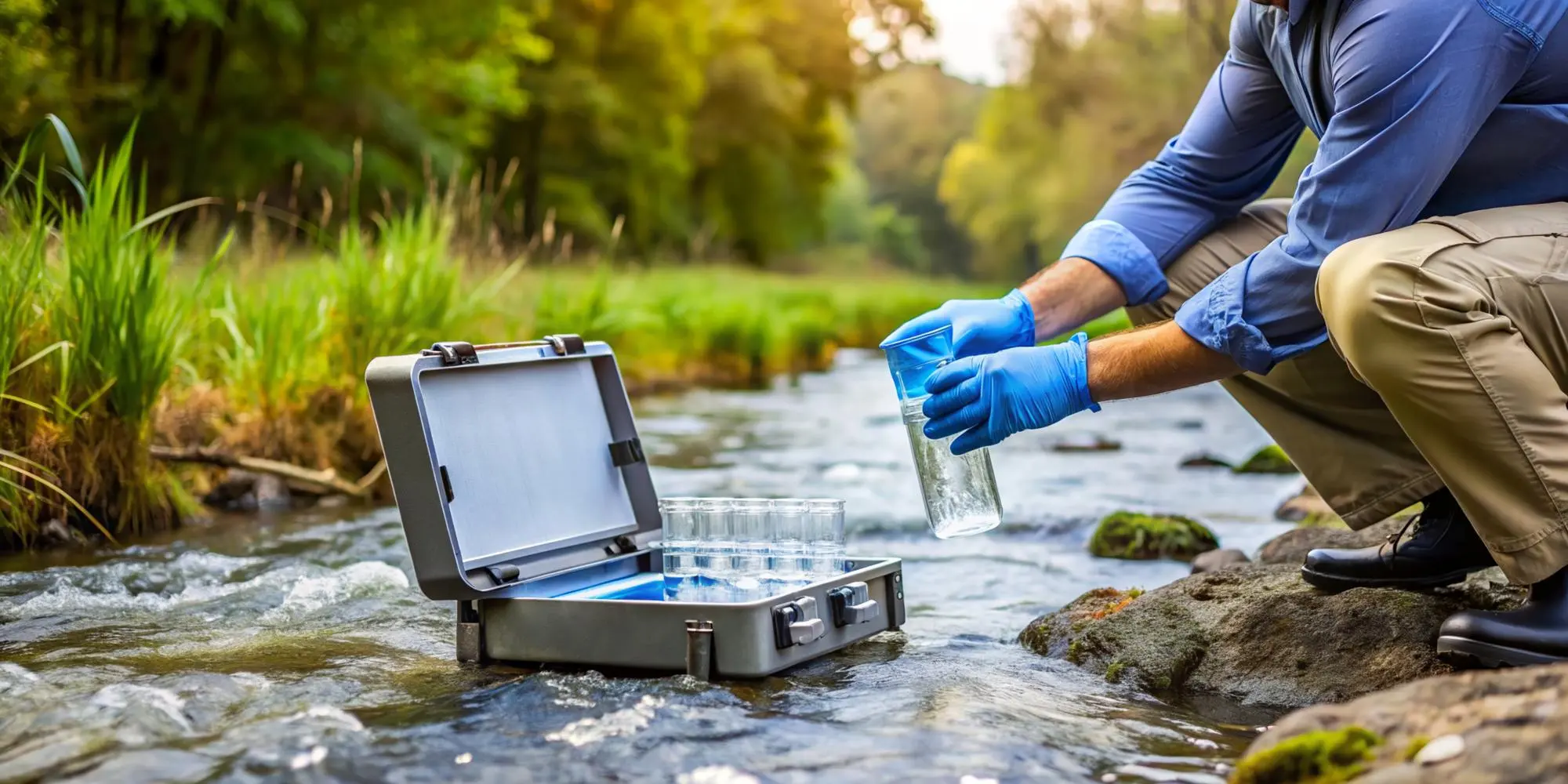
Picture this: you collect a sample in a sterile bottle—no licking the rim, please. Then you ship it off to a lab that looks like a cross between a brewery and a spaceship.
They pour your water into fancy machines that go beep. They look for things like E. coli, which is basically the uninvited guest of the microbe world. Or lead, which can turn your brain into a rusty sponge over time.
And don’t forget nitrates from fertilizer. That stuff is great for corn, not so great for your kidneys. The lab checks for all of it, usually with a straight face.
The Playbook: How to Collect Without Embarrassing Yourself
Before you start scooping water like a toddler at a puddle, know this: labs are picky. They want a proper sample.
First, run the tap cold for a solid two minutes. Why? Because stagnant water from the pipes is a liar. You want fresh stuff from the main line.
Then, fill the sterile container they gave you. Don’t touch the inside of the lid, don’t rinse the bottle, and don’t sneeze into it. The lab techs appreciate a little respect for their science.
Label that bottle like it’s your firstborn. Date, time, location, and maybe a secret code if you’re feeling dramatic.
What Kind of Tests Are We Talking About?
If you’re on city water, you might just want a basic potability test. That’s fancy talk for “is this gonna kill me today?” It checks for bacteria, pH, and chlorine levels.
Well owners? You need the full battle armor test. That’s for heavy metals like arsenic, mercury, and even uranium. Yes, uranium. Because apparently nature has a dark sense of humor.
There are also tests for industrial chemicals. Think pesticides, solvents, and that weird taste of “plumber’s regret.” Pick a test based on your local history or your gut feeling of dread.
The Wait: A Torture You Didn’t Sign Up For
You drop the sample at a courier or a local drop-off. Then you wait. Usually 3 to 10 business days. Ugh.
During that time, you’ll convince yourself the water is fine. Then convince yourself you’re slowly turning into a mutant. It’s a rollercoaster of anxiety and denial.
 Water Quality Testing Procedures - Perfect Pollucon LLP
Pro tip: buy a bottled water stash while you wait. It’s cheaper than a therapy session for your paranoia.
Reading the Results: Don’t Panic (Yet)
The report comes back. It looks like a spreadsheet from hell. Numbers, abbreviations, and terms like “ppb” (parts per billion).
If you see “ND” next to a contaminant, that’s Not Detected. Celebrate with a happy dance. If you see a number above the legal limit, don’t light your house on fire.
You have options: install a filter, treat the well, or call a professional to yell at your pipes. The lab report is a to-do list, not a death sentence.
Humor Me: When Should You Really Send a Sample?
When your water turns the tub orange? Yes. When your neighbor’s well tested positive for giardia (a microscopic party pooper)? Absolutely.
When you just want peace of mind because you read a scary article on the internet? That’s the best reason of all. Curiosity is free, but ignorance costs you sleep.
And remember, labs aren’t just for emergencies. They’re for bragging rights. “Oh, my water? It’s pristine. I have a certificate.” You’ll be the coolest person at the dinner party.
The Cost: Will You Need a Second Mortgage?
A basic home test kit from a store runs about $20. But that’s like asking a fortune teller for a glance—it’s not super accurate.
A real lab test for bacteria alone is around $30 to $50. A full panel for metals and chemicals? That’s $100 to $300. Expensive? Sure. But cheaper than a hospital visit for mystery symptoms.
Think of it as insurance for your innards. You spend money on streaming services. Why not spend it on not drinking poison?
One Last Sip of Advice
Find a lab that’s certified by your state or country. Look for “ISO 17025” or “EPA approved” on their website. If they don’t have that, run.
You can also check with your local health department. They often have lists of trusted labs or even offer free testing after floods. It’s like a free pass for paranoia.
So go ahead. Order that test. Become a citizen scientist. Your water bottle will thank you, and your kidneys will throw you a tiny party.
And if the results come back clean? Pour yourself a tall glass, raise it to the sky, and whisper, “Science, you beautiful nerd.” You’ve earned it.
