Ultraviolet Light Water Treatment Systems

Okay, let’s talk water. Not the boring, from-the-tap kind. I mean the fancy kind. You know, the stuff that sounds like it was filtered by a superhero. I’m talking about ultrav...

Okay, let’s talk water. Not the boring, from-the-tap kind. I mean the fancy kind. You know, the stuff that sounds like it was filtered by a superhero.
I’m talking about ultraviolet light water treatment systems. Yes, it’s exactly what it sounds like: zapping your water with death rays. But in a good way!
Think of it as a tiny, highly-specialized tanning bed for your H2O. Except instead of giving it a sunburn, you’re giving germs the boot. Who knew science could be so metal?
Must Read
So, How in the World Does This Work?
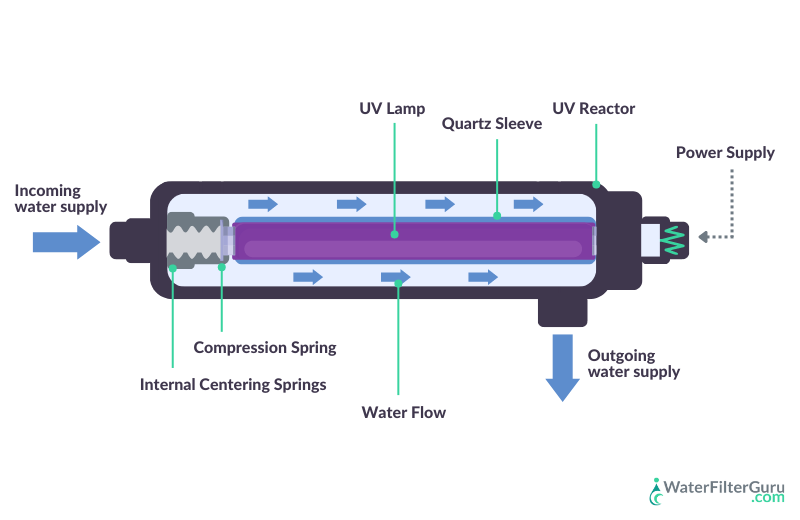
Picture a lightbulb. But not your grandma’s lamp. This one glows with ultraviolet light. Specifically, UV-C light.
It’s the wavelength that’s basically kryptonite for bacteria, viruses, and protozoa. They swim through the chamber, get hit with the light, and… poof. Their DNA gets scrambled.
They can’t reproduce. They can’t infect. They’re just little, harmless ghosts floating along. It’s like a water-filtering neutron bomb.
Is This Like Boiling Water, But Cooler?
Absolutely cooler. And I mean that literally. Boiling water takes time and energy. You have to wait for the kettle to click, then wait for it to cool down. Ugh.
A UV system works instantly. As soon as the water flows past the lamp, it’s treated. No heat. No weird chemical aftertaste. Just clear, safe water.
It’s also chemical-free. So if you’re one of those people who hates the pool-chlorine taste in your tap water, this is for you. Your taste buds will throw a party.
But Does It Kill Everything? (Spoiler: No, But That’s Okay)
Let’s be real for a second. UV is a microbe murderer, not a trash collector. It does not remove dirt, sediment, or heavy metals.
Think of it this way: UV is the security guard for your water. It stops the bad guys (germs) from getting through. But it won’t pick up the trash (physical gunk).
For that, you usually need a pre-filter. A simple sediment filter before the UV chamber is like giving your security guard a clean, clear hallway to patrol. Makes the job way easier.
Is It Safe? (Like, Am I Going to Glow Now?)
I know what you’re thinking. “Isn’t UV light bad for you? What if I drink that lightning water?”
Relax. You’re not drinking a laser beam. The UV light stays inside the chamber. You never see it, you never touch it. It’s contained like a genie in a bottle.
The water that comes out is just… water. Clean, safe, and not radioactive. Promise. You won’t get superpowers. (Disappointing, I know.)
 Ultraviolet Light Water Treatment Systems | Shelly Lighting
The Pros (The Fun, Happy List)
It’s crazy effective. We’re talking 99.99% reduction in harmful microorganisms. Crypto, giardia, E. coli—all gone. It’s like a soap opera for germs, except they all die in the first episode.
Low maintenance. You change the UV lamp once a year. That’s it. No cartridges to replace every month. No slimy mess. The system just sits there, humming quietly, being awesome.
Super fast. No waiting. No bulky storage tank. Turn on the tap, get treated water. It’s the fast-food of water purification, except it’s actually good for you.
The Cons (The Real Talk)
It needs electricity. All the time. If the power goes out, your UV system is just a fancy paperweight. You might want a backup plan (or a solar panel).
It won’t fix bad-tasting water. If your water smells like rotten eggs (sulfur) or tastes like a muddy pond, UV won’t help. That’s a job for carbon filters. You need the whole team, not just the star player.
And it’s not a “set it and forget it” for cloudy water. If the water is murky, the UV light can’t reach the germs hiding in the shadows. That’s why you need a pre-filter. Think of it as clearing away the fog so the laser can do its job.
Who Should Get This?
If you’re on well water, you need this. Like, yesterday. Well water is a wild card. You never know what microscopic party is happening in there. UV is your bouncer.
If you’re a traveler or an adventurer? Yeah, portable UV pens exist. They’re like light sabers for your canteen. Dip, stir, wait, drink. Pew pew.
Even if you’re on city water, it’s a great peace-of-mind add-on. City water is usually safe, but pipe breaks and treatment plant hiccups happen. UV gives you that extra layer of “I don’t trust anyone” safety.
Final Sip of Wisdom
So, is it worth the hype? For killing germs, it’s basically unbeatable. It’s elegant, simple, and a little bit sci-fi.
Just remember: UV is a specialist. It hunts microbes. It doesn’t filter dirt. Pair it with a good pre-filter, and you’ve got a water system that’s tougher than a $2 steak.
Now go hydrate. With your death-ray-treated, perfectly safe, not-at-all-glow-in-the-dark water. Cheers!
