Well Water Filtration And Softener System

So, you’ve traded the constant hum of city life for a bucolic dream home, complete with chirping birds and a well in the backyard. Congratulations! You’re now the proud owner...
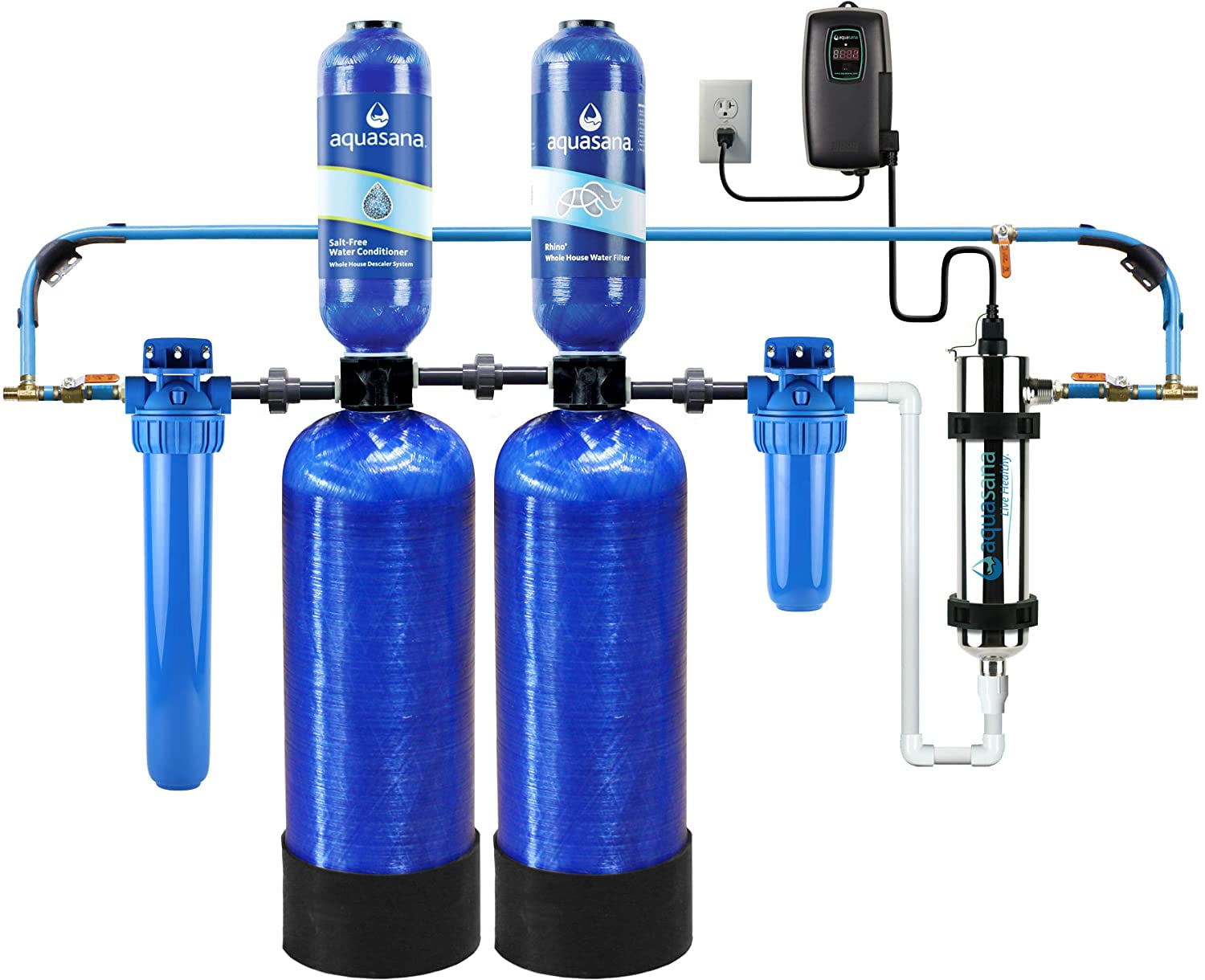
So, you’ve traded the constant hum of city life for a bucolic dream home, complete with chirping birds and a well in the backyard. Congratulations! You’re now the proud owner of your very own private water source. It’s like having a tiny, wet, underground pet that you must feed with electricity and filter cartridges.
But here’s the shocking truth: well water is not the pure, crystalline elixir you imagine. It’s basically liquid rock that has been infusing with dirt, minerals, and the ghost of a thousand ancient ferns. That’s why you need a filtration and softener system—to turn your well’s "earth tea" into something your coffee maker won’t violently reject.
The Hard Truth About Hard Water
Let’s talk about "hard water." It sounds tough, like a marine sergeant, but it’s actually just water full of calcium and magnesium. You know, the stuff that makes your bones strong—but on your bathtub, it creates a crust that geologists could study.
Must Read
Here’s a surprising fact: 85% of American homes have hard water, but well water is the undisputed heavyweight champion. If you skip a softener, your shower head will eventually become a solid limestone stalactite. And your hair? It will feel like you washed it with chalk and regret.
But wait, the real horror show is your pipes. Hard water deposits build up inside them like plaque in an artery. Eventually, you’ll have a water pressure so weak, it’ll take forever to fill a tea kettle. You’ll be standing there, staring at the stream, questioning your life choices.
Meet Your New Best Friends: The Filtration System
Fear not! A well water filtration system is the superhero your plumbing deserves. First up: a sediment filter. This guy catches sand, silt, and tiny rocks that your well pump cheerfully kicked up from the aquifer. It’s like putting a bouncer at the door of your water supply.
Then comes the carbon filter. This is the heavy-lifter that removes chlorine (if you use it), pesticides, and that delightful "swampy" taste. Imagine drinking water from a clean mountain stream, instead of a puddle that a raccoon just bathed in. That’s the carbon filter’s job.
But the real party trick? A UV light system. Yep, ultraviolet light. It zaps bacteria, viruses, and parasites to oblivion. Think of it as a tiny, water-proof tanning bed for your H2O, but instead of giving you a glow, it gives you safety. No giardia, no cryptosporidium, no "oops I drank pond juice."
The Water Softener: The “I’m Too Sexy for My Scales” Machine
Now, let’s talk about the water softener. This is the wizard that uses ion exchange—which is science-speak for "magic salt swap"—to remove calcium and magnesium. It replaces them with sodium. Yes, your water will have a tiny bit of salt in it. No, you won’t turn into a pickle.
Here’s the wild part: your water softener regenerates itself at 2 AM. It flushes out the built-up minerals with a brine solution, making a noise like a giant gargling saltwater. It’s startling the first time, but you’ll get used to it. It’s your home’s weird, metallic snore.
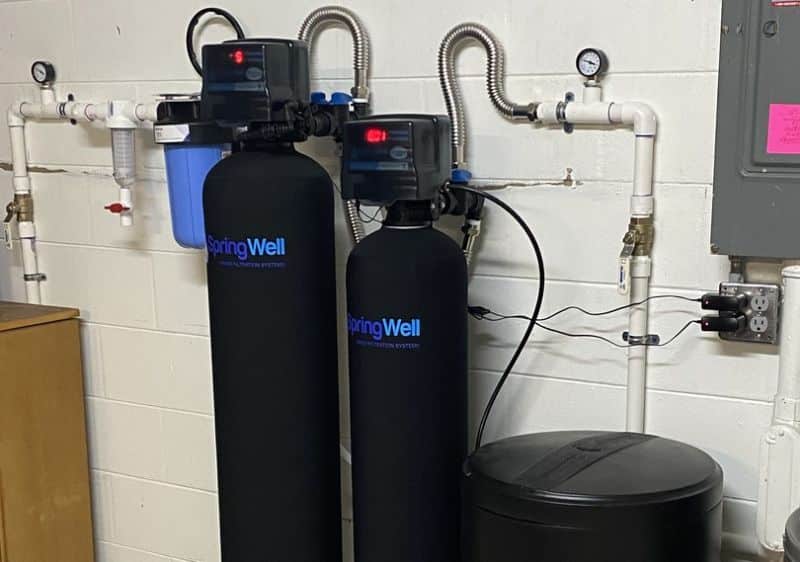 6 Best Water Softeners for Well Water with Iron of 2024
After softening, your soap will lather like a Broadway musical. Your dishes will sparkle like a unicorn’s tears. And your skin? You’ll feel so smooth, you’ll want to greasily slap your own face in appreciation. It’s a glow-up for your entire household.
The "I Have a Well" Beginner’s Checklist
First step: Test your water. You can buy a simple test kit or send a sample to a lab. You might find iron, manganese, or hydrogen sulfide (which smells like rotten eggs). If it smells like a demon’s hot tub, you need a special filter.
Second, decide if you need a whole-house system or just a point-of-use filter under the kitchen sink. Whole-house is better because it protects your washing machine, dishwasher, and water heater. Your appliances will live longer, and they’ll thank you by not flooding your basement.
Finally, don’t forget the maintenance. Change the sediment filter every six months. Add salt to the softener every month. If you ignore it, your system will throw a tantrum. And a tantrum from a water softener usually involves you mopping up a salty, mineral-y puddle at 2 AM.
The Punchline
Here’s a surprising fact to leave you with: the earliest water softeners were invented in the 1930s, and they used green sand—actual sand that was green. It looked like a fish tank floor. Today’s systems are smarter, but the principle is the same: we’re fighting geology with chemistry and a dash of electricity.
So, embrace your well water adventure. Yes, it’s more work than city water. Yes, your filter might look like a sci-fi prop. But when you pour yourself a glass of crystal-clear, soft, filtered water, you’ll feel like a pioneer who just conquered the frontier. Or at least someone who won’t need a plumber for a while.
And if all else fails? Just buy a whole bunch of bottled water, name your well "Trouble," and call it a character-building experience. You’ve got this.
