Olympia Water Systems Replacement Filters

Let’s be honest: we don’t think about our water filters very often. They sit there, quietly doing their job, like that reliable friend who never asks for thanks. But your Olym...
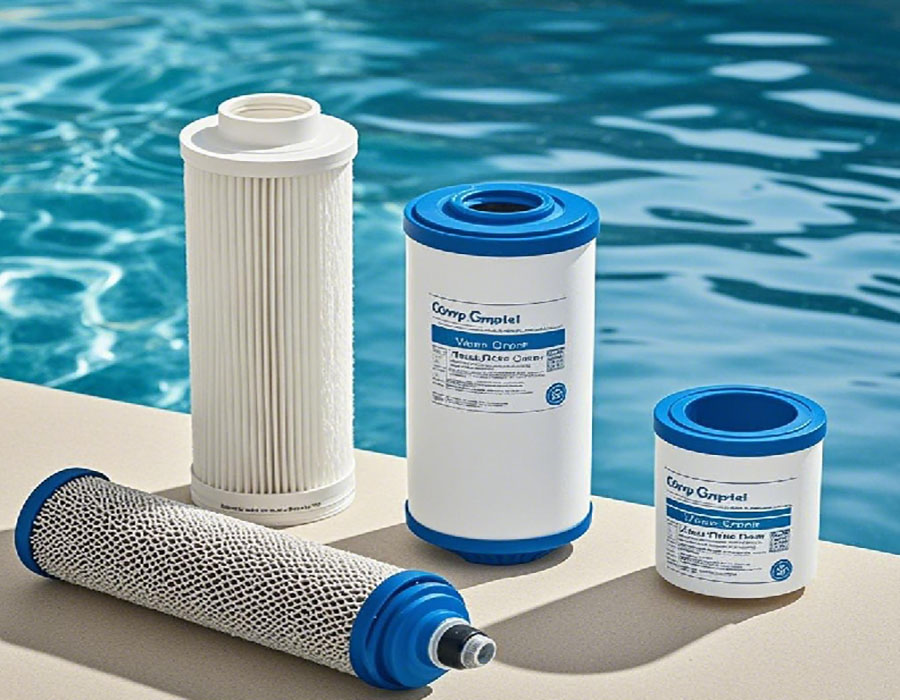
Let’s be honest: we don’t think about our water filters very often. They sit there, quietly doing their job, like that reliable friend who never asks for thanks. But your Olympia Water Systems filter—the one that keeps your morning coffee tasting crisp and your ice cubes clear—isn’t immortal. It has a shelf life, and ignoring it is like wearing sunglasses at midnight: pointless and a little embarrassing.
The Quiet Hero of Your Kitchen
Your Olympia replacement filter is the unsung star of your hydration game. It’s not just about removing the chlorine taste that makes tap water smell like a public pool. These cartridges are designed to reduce sediment, lead, and other microscopic intruders that sneak through municipal pipes. Think of it as a bouncer for your water glass—only the VIPs (hydrogen and oxygen) get in.
Fun fact: Standard Olympia filters use a carbon block technology that’s similar to high-end purification systems used by luxury hotels. That’s right—you’re essentially drinking five-star water in your yoga pants. The difference is that those hotels swap their filters every few weeks. You? You might be pushing six months on that same cartridge. Oops.
Must Read
When Did You Last Change Yours?
Here’s a practical tip: if your water starts tasting like it’s been wrestling a cucumber—or worse, like metal—it’s time. Most Olympia systems recommend a change every six months or after 500 gallons. That’s roughly the same lifespan as a Netflix subscription you actually finish. Mark your calendar, or better yet, set a recurring reminder that says “Water: Not Optional.”
Still not convinced? Pour a glass of filtered water side-by-side with unfiltered tap. The tap water might smell like a high school chemistry lab. The Olympia-filtered version? Crisp. Almost mountain-mist-level refreshing. That’s your filter working overtime—until it stops. Don’t be the person who drinks from a filter that expired during the Obama administration.
Installation: So Easy, You’ll Feel Like a Pro
You don’t need a plumber’s license or a YouTube tutorial with 47 steps. Most Olympia replacement filters twist in and out like a lightbulb—if lightbulbs were kind to your water pressure. Turn off the water supply, unscrew the old filter, and give the housing a quick wipe. Then screw in the new one. That’s it. Easier than assembling IKEA furniture, and you won’t have leftover screws.
Pro tip: run a gallon through the new filter before drinking. This flushes out any loose carbon dust—it looks like black sand, but it’s harmless. Think of it as the “break-in period” for your water. Once it runs clear, you’re golden. Pour yourself a victory glass. You’ve earned it.
The Hidden Cost of Procrastination
Here’s where things get a little nerdy—but in a fun way. A clogged filter doesn’t just taste bad; it actually stresses your entire Olympia system. The water has to work harder to push through the gunk, which can reduce water pressure and wear down the internal seals. You’re basically making your fridge or under-sink unit run a marathon with a flu. Not cool.
Also, a neglected filter can become a breeding ground for bacteria. Yes, you read that right. The very thing meant to clean your water can turn into a petri dish if left too long. That’s not just gross—it’s counterproductive. Swap it out, and you’re back to being the person with the healthiest hydration station on the block.
![Olympia Water Systems OROS-72F-BN [18/24] Post filter replacement](https://mans.io/views2/2003102/page18/bg12.png) Olympia Water Systems OROS-72F-BN [18/24] Post filter replacement
Olympia Water Systems OROS-72F-BN [18/24] Post filter replacement
A Cultural Nod to Water Consciousness
Remember that scene in Pelé: Birth of a Legend where the kids drink from a stream? Beautiful, but not realistic for most of us. In the 21st century, we’ve traded clear streams for stainless steel faucets. Olympia filters are our middle-ground: modern, efficient, and surprisingly affordable. You pay a little upfront to avoid buying cases of plastic bottles that end up in the Pacific garbage patch. That’s not just good for you—it’s good for the planet.
Fun fact: The average American uses 167 plastic water bottles per year. Switching to a filtered system cuts that to zero. One Olympia filter replaces roughly 300 single-use bottles. That’s like canceling a subscription you never asked for. Your wallet and the whales both approve.
The Little Things That Add Up
Changing your filter is a five-minute task with a ten-week payoff. It’s the same principle as making your bed or flossing: small, boring, but oddly satisfying once done. The first sip from a fresh filter tastes like a brief vacation. You realize you hadn’t noticed the water was getting flat—until it wasn’t.
Don’t overthink it. Order a pack of replacement filters (they’re often cheaper in a three-pack), keep one under the sink, and set a reminder on your phone. When that reminder pops up, you’ll feel a tiny burst of adulting success. It’s the kind of win that costs less than a fancy latte and lasts six months longer.
Connecting to Daily Life
Water is the backdrop of our mornings—the thing that wakes us up, washes our faces, and steeps our tea. When it’s good, we forget it’s there. When it’s bad, it ruins everything. Your Olympia filter is the quiet guardian of that ritual. It doesn’t ask for much: just a twist every half-year and a little gratitude.
So next time you fill your glass, give a tiny mental nod to the white cylinder hiding under your sink. It’s not flashy. It won’t get likes on Instagram. But it’s doing the heavy lifting so you can stay hydrated, healthy, and free from the tyranny of plastic bottles. That’s a filter worth keeping fresh.
