Replacement Resin Tank For Water Softener

Your water softener is a workhorse, not a show pony. It sits in the basement, quietly fighting the good fight against hard water. But its heart? That’s a resin tank. Think of...
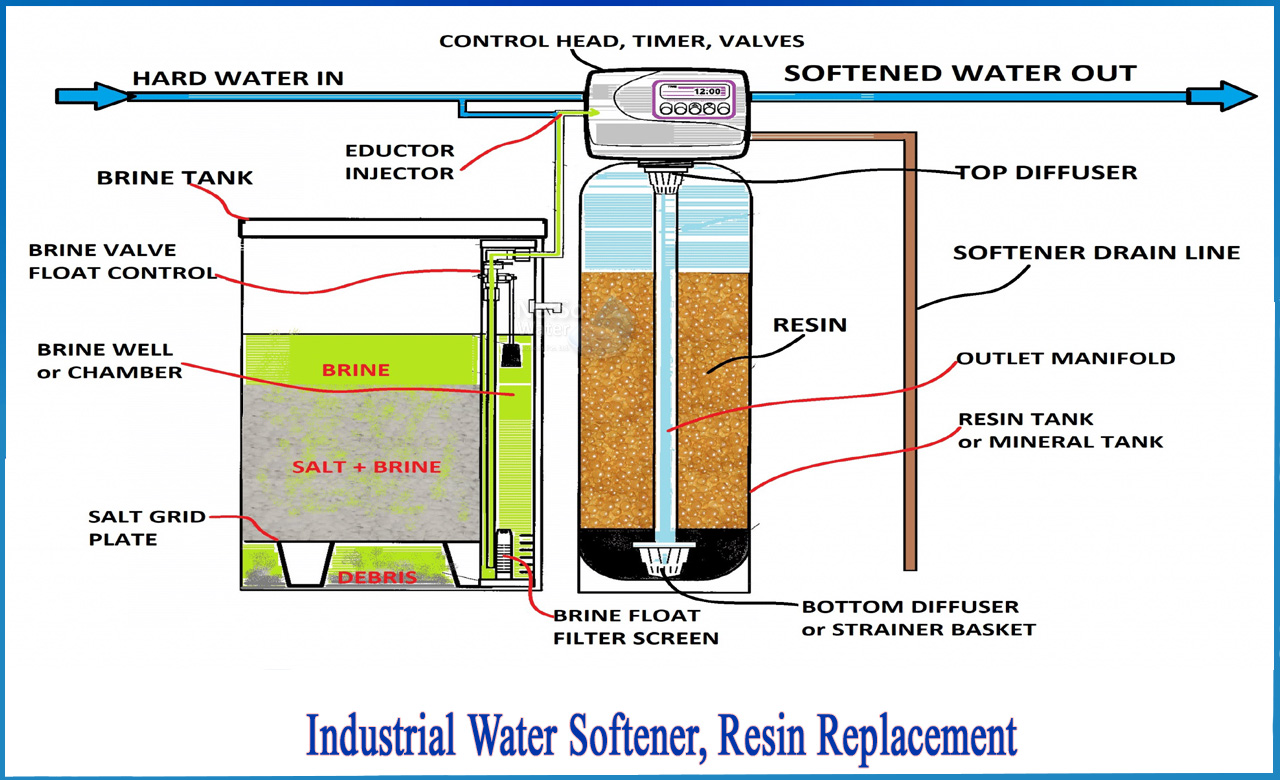
Your water softener is a workhorse, not a show pony. It sits in the basement, quietly fighting the good fight against hard water. But its heart? That’s a resin tank.
Think of resin as tiny, plastic Pac-Men. They gobble up calcium and magnesium ions all day long. Without fresh resin, your softener is just a fancy, expensive pipe.
So, what happens when that tank gets old? It gets tired. It cracks, leaks, or the resin simply turns into useless sludge.
Must Read
This isn’t a sexy topic like a new smartphone. But trust me, replacing a resin tank is satisfying. It’s like giving your whole home’s water a spa day.
The Secret Life of Beads
Inside that tank are millions of tiny, resin beads. They look like fish eggs. They smell like... well, nothing good if they’re failing.
Each bead is a magnet for hardness. They grab minerals, hold them tight, then get rinsed clean in a brine bath. It’s a daily dance of capture and release.
Over time, these beads get fouled. Iron stains them orange. Chlorine eats them alive. They become lazy little loafs.
Why Not Just Clean the Old Ones?
You can try. There are special resin cleaners on the market. It’s like giving your beads a detox smoothie. It works... for a while.
But imagine wearing the same socks for ten years. You can wash them, but they’re still ten-year-old socks. A replacement tank is a fresh pair of socks for your water.
Besides, cleaning old resin is messy. You need buckets, gloves, and a lot of patience. A new tank is easy. It’s one Saturday morning project.
Fun Fact: Resin Tanks Have a Secret Identity
Most tanks look identical. Gray, green, or blue fiberglass. Boring. But inside, the internals are wildly different.
A distributor tube runs right through the middle. It’s like a straw for water. If that tube breaks, your water flows right past the resin. Useless.
Some tanks come with built-in gravel layers. Gravel! It’s not for decoration. It keeps the resin from escaping down the drain. Think of it as a bead security guard.
When Should You Panic?
You don’t need to panic. But watch for signs. Is your water suddenly slippery again? That’s good, actually. But if it’s hard and your salt isn’t disappearing, the tank is crying for help.
Another clue: black specks in your water. That’s decomposed resin. It’s the beads committing bead suicide. Don’t drink those.
If your tank is over 15 years old, it’s a senior citizen. Treat it with respect, but prepare for retirement.
The Joy of a Straight Swap
Replacing a tank is like swapping a battery. Unplug the old, plug in the new. Except you need to disconnect water lines and move heavy stuff.
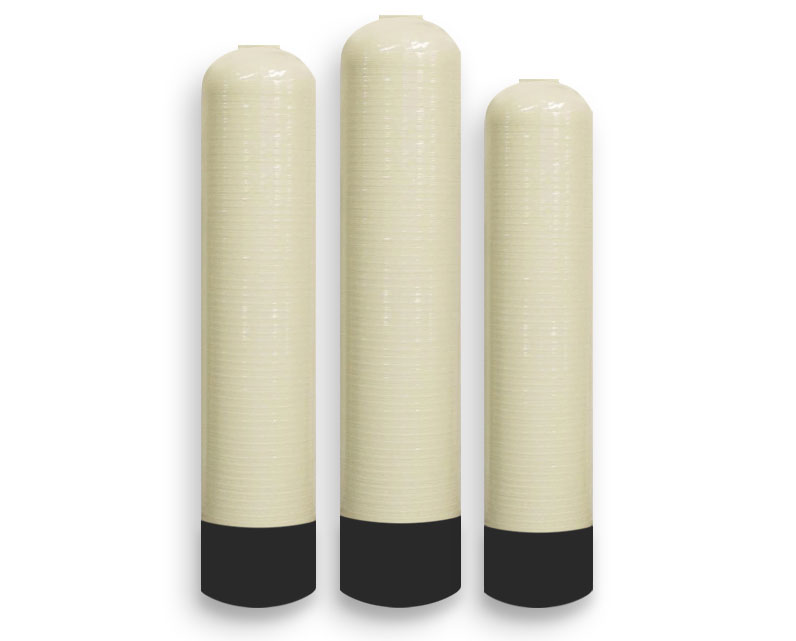 Water Softener Tank Solids Brine Tank 70 Liters With Complete
But the feeling when you’re done? Pure triumph. You run the faucet, and the water feels like silk. Your skin thanks you. Your coffee maker thanks you.
And there’s a weird pride in it. You can tell your neighbors: “Yeah, I replaced my resin tank this weekend.” They’ll be confused. You’ll feel like a plumbing ninja.
Quirky Fact: Resin Is Reborn Everyday
Those little beads regenerate every single night. They take a salt bath. They shed their mineral burden. Then they wake up fresh. It’s the closest thing to resurrection in a utility room.
If humans could regenerate that efficiently, we’d never shower. We’d just salt ourselves at bedtime. Imagine that.
So, a new tank gives your beads a chance to keep rebirthing. Only bigger. Only better.
The Fun of Sizing
Resin tanks come in sizes. Not like t-shirts, but close. A 8x44 inch tank is tiny. A 10x54 inch tank is a beast. Bigger tanks hold more beads, which means more soft water for more people.
But here’s the kicker: a tank that’s too big is wasteful. It uses too much salt. A tank that’s too small runs out of soft water mid-shower. That’s a cold, hard reality.
It’s like Goldilocks, but with plumbing. You want the just right size. And a perfectly-sized new tank is glorious.
Why It’s Fun to Talk About
Because it’s hidden. Nobody sees your resin tank. It’s a secret hero. When you replace it, you’re upgrading a silent guardian. That’s cool.
Also, the word “resin” sounds like “reason.” So you’re installing a reason tank for soft water. Get it? Sort of? Okay, that’s a stretch, but it’s fun.
And you get to use words like “brine” and “backwash” around normal people. They’ll think you’re a scientist. You’re not. You just bought a new tank.
Final Tip: Don’t Cheap Out
Buy a high-quality tank. A cheap one may work for a year, then crack in a cold basement. Then you’re flooded and angry. A good tank lasts 20 years. It’s a loyal friend.
Look for one with a corrosion-resistant inner lining. Ask the seller if it’s “NSF certified.” That means it doesn’t leach weird chemicals into your drinking water. Nobody wants plastic-flavored tea.
And here’s the best part: you can do it yourself. YouTube has videos. Your local hardware store has parts. You are not a plumber. You are a water wizard.
So go on. Give your home the gift of a shiny new resin tank. Your water will sing. Your faucets will sparkle. And you’ll have a genuinely weird, awesome story to tell at your next barbecue.
