Lab Water System With Optimized Resin Mix

You know that feeling when you’re trying to brew the perfect cup of coffee, but the tap water tastes vaguely of pool chlorine and old pennies? That’s basically the same strugg...
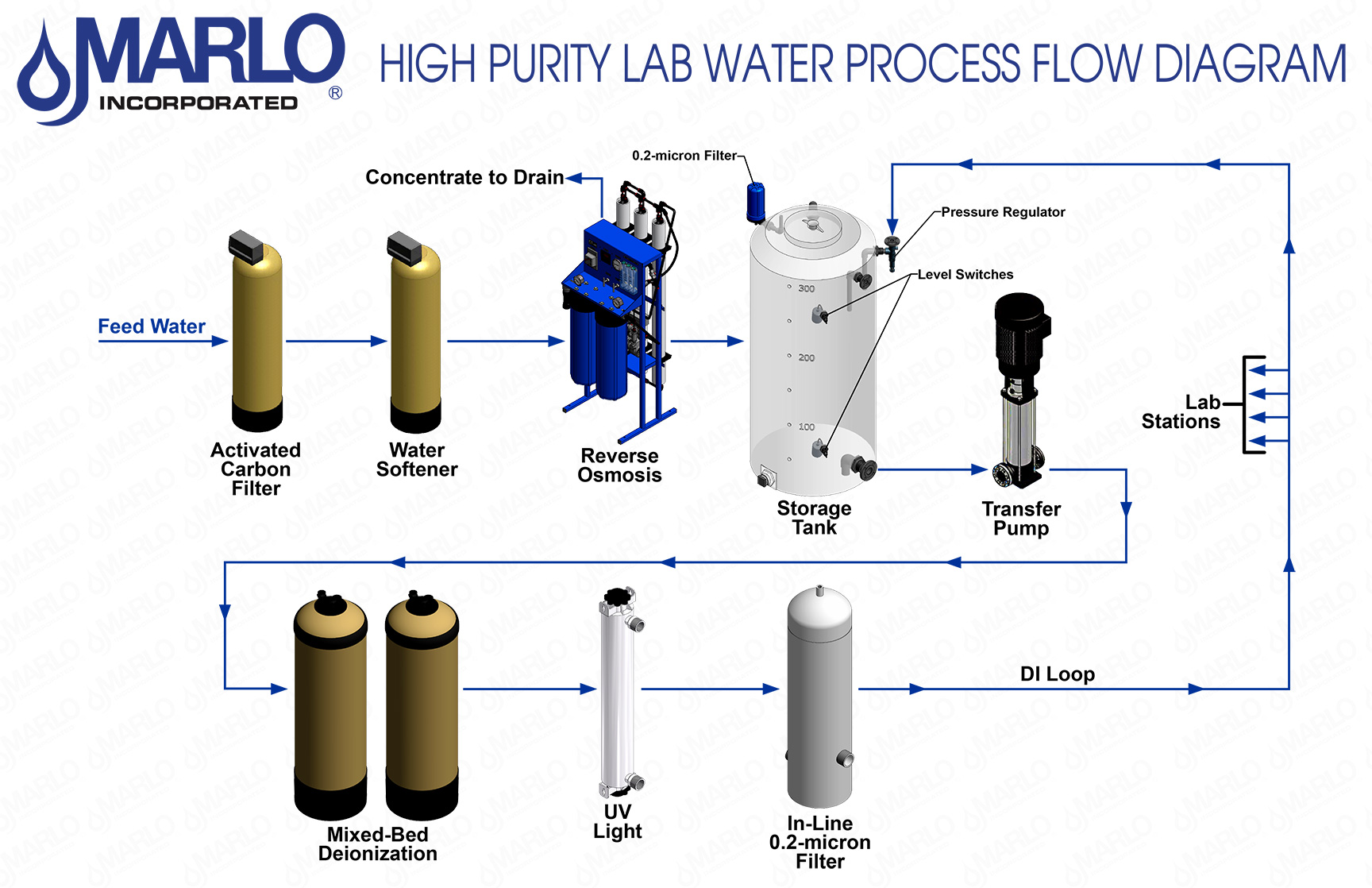
You know that feeling when you’re trying to brew the perfect cup of coffee, but the tap water tastes vaguely of pool chlorine and old pennies? That’s basically the same struggle a lab faces every single day, except their “coffee” is a multi-thousand-dollar experiment. Lab water systems are the unsung heroes of science, and getting the resin mix right is like finding the holy grail of hydration.
Think of a standard lab water system as a very particular, very grumpy barista. It has to strip away everything—minerals, bacteria, weird organic bits—until the water is so pure it’s practically a philosophy major: it has no inherent identity. The magic trick here is the resin mix, the little beads that do the heavy lifting like tiny, chemically-attractive sponges.
The "Diet Cola" of Water Chemistry
When I first started in a lab, I assumed all purified water was the same. It’s water, right? Wrong. I once got chewed out for using the wrong “polish” by a senior scientist who treated water purity like a sommelier treats a corked bottle of Bordeaux. He explained that mixing cation and anion resins without optimization is like making a cake with salt instead of sugar—technically similar, but the result is a disaster.
Must Read
An optimized resin mix is like having a best friend who knows exactly how you take your iced tea. It balances the positively charged “cations” (looking at you, calcium and magnesium) and the negatively charged “anions” (silica and carbonates, we mean you). When they’re out of whack, you get “water” that still conducts electricity—a big no-no for sensitive experiments.
I remember setting up a new system for a colleague. He watched the resin beads tumble and said, “It’s like watching a kindergarten class decide who gets the last cookie.” The goal is to make them all share perfectly so nobody leaves the party angry. That’s what the optimized mix does—it prevents “resin bleed” where one bead type jacks all the contaminants.
When Resins Go Rogue
Here’s the funny part: a non-optimized resin mix is basically the office microwave popcorn situation. It works for a while, then suddenly half the bag burns and the other half stays hard. In water system terms, that means your water quality drops from “perfect” to “meh” overnight, and you have to dump expensive columns prematurely.
I once saw a lab assistant swear at a deionization tank because it kept “burping” bubbles into the system. Turned out the resin mix was too aggressive on the cation side, creating a pH imbalance that made the water slightly acidic. The water was technically pure, but the lab’s cell cultures died faster than a houseplant under a bored intern’s care.
An optimized resin mix is like Goldilocks’ porridge—not too hot, not too cold, but just right. It maintains a neutral pH, keeps the conductivity low, and ensures the water tastes like… well, nothing. Which, for a lab, is the highest compliment you can pay.
Your Kitchen vs. Their Lab
Let’s bring it home. You know that annoying mineral buildup on your kettle? That’s what happens when resin mix is poorly balanced—except in the lab, that “kettle” might be a $50,000 spectrometer. A bad water system can ruin months of work, turning clear solutions cloudy or messing up DNA sequencing like a typo in a wedding vow.
 Laboratory Water Systems - Absolute Water Technologies
I compared notes with a plumber once (every lab gathers strange friends). He said, “Hard water in a house just makes your hair feel weird. Hard water in a lab will make your paper get rejected by Nature.” He’s not wrong. An optimized resin mix ensures the water you get is so boring that nothing unexpected happens—and in science, boring is beautiful.
Think of it this way: a standard water filter is like a bouncer at a club checking IDs. The optimized resin mix, however, is the bouncer who also knows your name, your drink preference, and that you’re allergic to peanuts. It’s proactive, not reactive.
The "But Wait, There's More" Factor
One hidden benefit of a well-matched resin mix is longevity. A mismatched mix is like a relationship where one partner does all the chores. It burns out fast. The cation resin might get exhausted in six months, while the anion resin lasts two years, creating a weird “half-clean” situation that’s worse than no water at all.
I once watched a technician triple-check the conductivity meter, convinced it was broken. The reading was 18.2 megohm-cm, perfect, but it was falling to 15 within an hour. He finally realized the resin mix was “layered incorrectly.” He had to literally shake the column like a snow globe to remix the beads. Never has a grown man looked so relieved and so embarrassed at the same time.
The real kicker? An optimized resin mix actually saves money. Because the beads work in harmony, you get more gallons of pure water per cartridge. It’s like getting an extra tank of gas for free, just because you didn’t drive with the parking brake on.
The Final Pour
So, next time you see a lab water system humming quietly in a corner, give it a nod. It’s not just glorified tap water—it’s a carefully calibrated cocktail of chemistry that would make your home filter weep with inadequacy. The resin mix is the soul of that operation. Get it right, and your experiments hum along like a cat purring. Get it wrong, and you might as well be washing your test tubes with hot dog water.
And if you ever find yourself explaining this to a friend over dinner, just say: “It’s like making sure the good cop and bad cop in a interrogation room agree on the suspect’s coffee order.” They’ll either laugh or think you’ve been watching too many crime shows. Either way, you’ll be right. Because in the end, every lab is just trying to make the most boring, perfect water possible—and that’s a heroic mission we can all get behind.
