Granular Activated Carbon Water Treatment

Let’s be real for a second: water is kind of a miracle. We turn a tap and expect crystal-clear, great-tasting H₂O to pour out, but the journey from reservoir to glass is a lot...

Let’s be real for a second: water is kind of a miracle. We turn a tap and expect crystal-clear, great-tasting H₂O to pour out, but the journey from reservoir to glass is a lot less glamorous than we think. Enter the unsung hero of your kitchen faucet: Granular Activated Carbon, or GAC for short. Think of it as the bouncer at the hippest club in town, only letting the good stuff through.
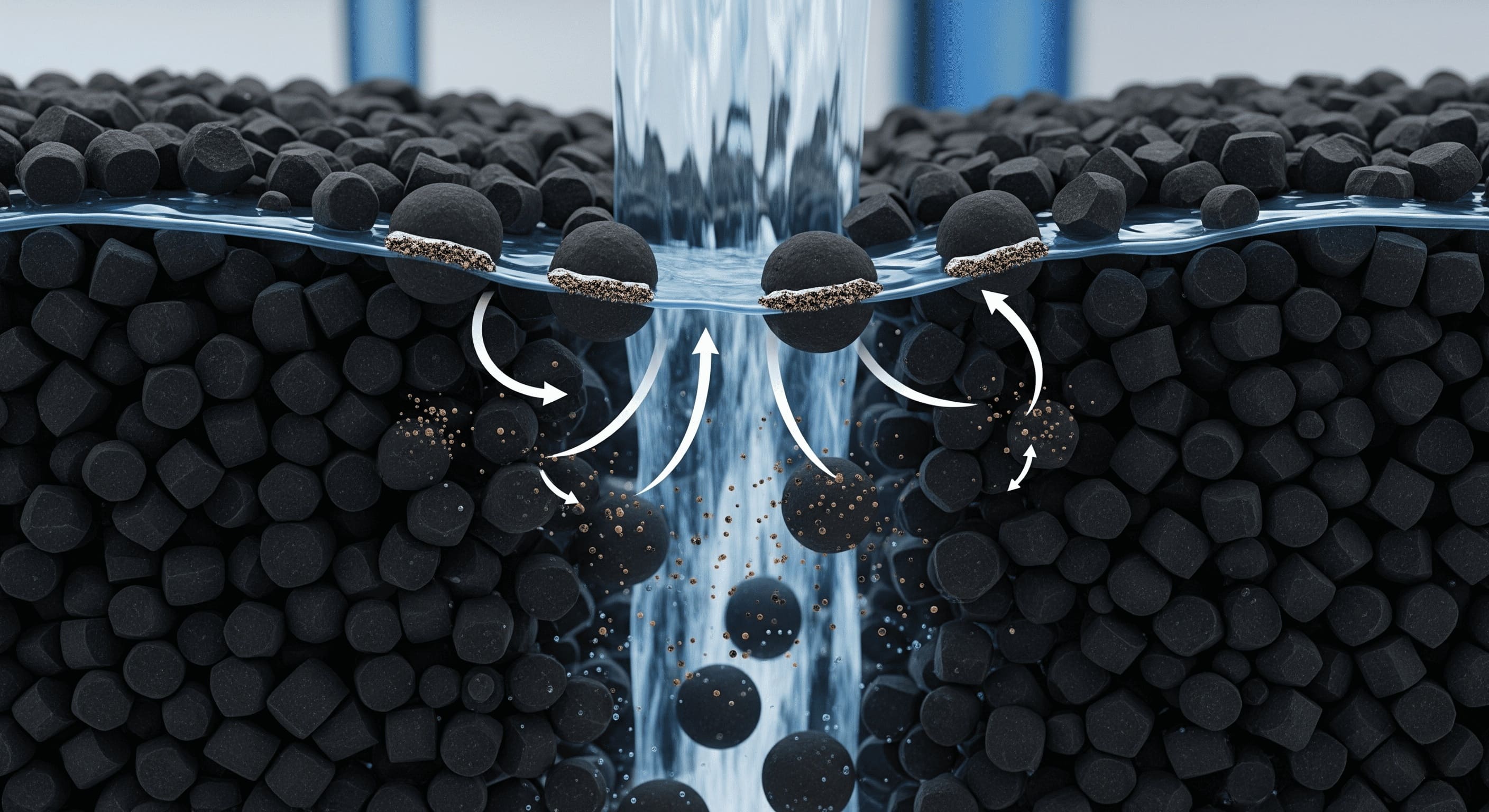
GAC is basically charcoal on steroids. It’s made from organic materials like coconut shells, wood, or coal that have been superheated in a low-oxygen environment—a process called activation. This creates a highly porous structure with a massive surface area. In fact, a single gram of GAC can have a surface area equivalent to a football field. That’s a lot of space for trapping bad vibes.
How It Actually Works (No Lab Coat Required)
The science is delightfully simple: it’s called adsorption (with a ‘d’, not to be confused with absorption). Instead of soaking up water like a sponge, particles of chlorine, sediment, and weird organic compounds stick to the carbon’s surface like Velcro. It’s a chemical magnet for the stuff that makes your tap water taste like a swimming pool.
Must Read
Think of it as the friend who always volunteers to do the dishes—efficient and quietly noble. If you’ve ever used a Brita pitcher or a fancy fridge filter, you’ve already hired GAC for the job. It’s the workhorse behind that crisp, clean sip you take after a long run.
Fun fact: GAC is so good at trapping impurities that it’s used in gas masks and air purifiers, too. That same gritty black sand in your filter could save you from a chemical spill. It’s like having a superhero living under your sink, just way less dramatic.
Cultural Catnip: Water as Status Symbol
Remember that scene in Sex and the City where Carrie obsesses over her morning coffee? That perfect cup is impossible without good water. People drop $5 on a bottled artisanal H₂O at the bodega, but the real flex? Having GAC-filtered tap at home. It’s the quiet luxury of the culinary world.
Even in the age of overpriced alkaline water and celebrity-branded hydration, GAC remains the OG. It’s what baristas trust for pour-overs and what sommeliers rinse their glasses with. If water were a playlist, GAC is the producer who removes the static so you can hear the bass line clearly.
Practical Tips for the Water-Curious
Not all GAC filters are created equal. Look for coconut-shell carbon—it’s more sustainable and has a finer pore structure, which traps more pollutants. Avoid cheap filters that use powdered carbon, which can leach fines (black dust) into your first few glasses. Rinse that new filter for 30 seconds, and you’re golden.
Replace your filter on schedule. I know, I know—it’s easy to forget. But a clogged GAC filter becomes a bacterial party bus. Mark your calendar every three months, or when the water flow starts to slow. Your taste buds will thank you; your gut microbiome will throw a parade.
 Granular Activated Carbon: A Complete Guide for Water Treatment
Pro tip: Use GAC-filtered water for your houseplants. Plants hate chlorine almost as much as you do. Your monstera will push out leaves so glossy they’ll look Photoshopped. It’s a small hack that makes you feel like a botanical genius.
Eco-Hero or Eco-Phony?
Here’s the catch: GAC filters need to be disposed of, and they eventually fill up landfills. But the carbon itself can often be reactivated and reused in industrial processes. Plus, using a filter means fewer plastic bottles floating in the Pacific. It’s a net win for the planet, provided you recycle the packaging.
Another little gem: GAC can remove some pharmaceutical residues—trace amounts of ibuprofen and caffeine that slip through city treatment plants. You’re not consuming yesterday’s anxiety pill in your morning tea. High-five to that.
Weird but true: GAC is also used in vodka production to remove impurities. So yes, every time you enjoy a clean martini, you’re basically thanking activated carbon. It’s the connective tissue between sobriety and celebration.
The Finish Line: A Glass of Daily Zen
At the end of a long day, water is often an afterthought. We chug it, we forget it, we crave it only when we’re parched. But a glass of GAC-filtered water is a small ritual of intentionality. It tastes like nothing—and that nothing is perfect. No aftertaste, no chemical whiff, just pure silence in liquid form.
So next time you fill a glass from your countertop pitcher or fridge door, pause for a second. That humble black grit inside the plastic cartridge is doing more heavy lifting than most of your skincare routine. It’s removing the invisible baggage so you can start fresh. And really, isn’t that what we all need? A little filtration, a little grace, and a lot of clean water.
Cheers to the bouncer of your tap. 🥤
