Water Filtration System For Dental Office

So, let’s talk about something thrilling. No really, I mean it. Water filtration for your dental office. I know, I know—you’re gripping your coffee cup a little tighter. But h...
So, let’s talk about something thrilling. No really, I mean it. Water filtration for your dental office. I know, I know—you’re gripping your coffee cup a little tighter.
But hear me out. Have you ever thought about what’s actually in the water coming out of that little hose? It’s not just H2O, my friend. It’s a wild party of minerals, bacteria, and the ghosts of yesterday’s lunch.
Why your dental chair needs a water spa day
Your patients don’t want mystery water spraying in their mouths. Trust me, they’re already nervous enough. A clean water supply isn’t a luxury—it’s a lifeline for your reputation.
Must Read
Think of it this way: would you serve a guest a glass of water from a garden hose? Probably not. Your dental unit is basically a super-fancy, high-tech hose. And hoses get gross.
Biofilm. Yeah, I just said that word. It’s a slimy, invisible city of microbes living inside your water lines. Sounds like a sci-fi movie, right? But it’s real, and it’s plotting against your sterilization protocols.
The gross stuff you’re avoiding (and why you should care)
Let’s get specific for a second. Untreated water can carry Pseudomonas and Legionella. Fun bacteria names, right? Not so fun when they give your patients a cough or an infection.
Dental boards are getting strict about this too. They’re cracking down on water quality like a bouncer at a club. You don’t want a surprise inspection turning into a surprise fine, do you?
Also, think about your equipment. Hard water scale can wreck your handpieces and scalers. That’s like letting a toddler play with your Ferrari. Expensive and heartbreaking.
So, what kind of water filtration are we talking about?
Not all filters are created equal. You’ve got options, and they range from “pretty good” to “NASA-grade overkill.” Let’s break it down like a dental chart.
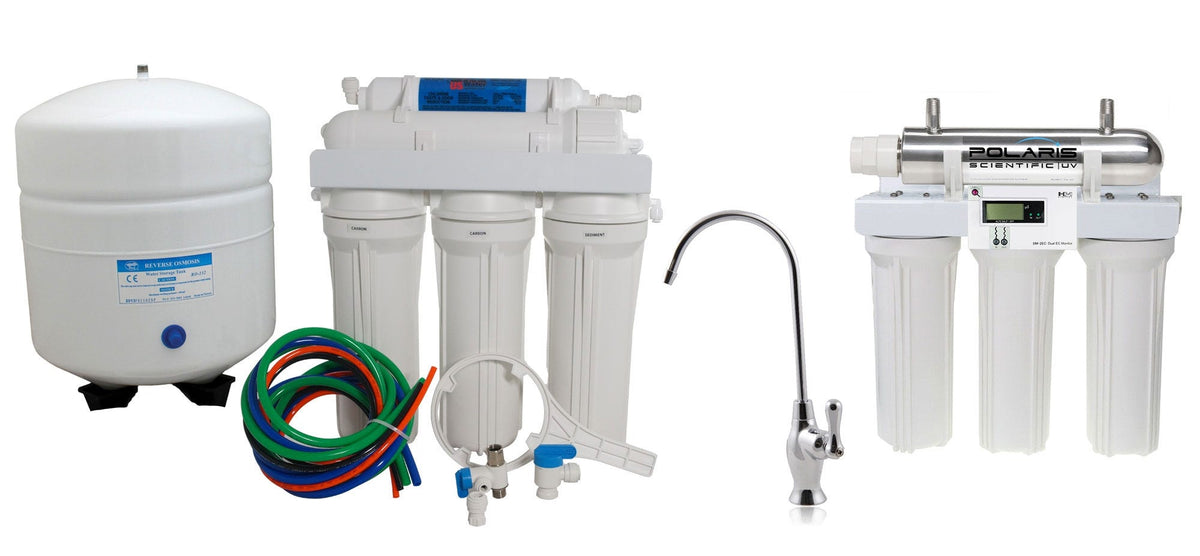
Point-of-use filters are the little guys that attach right to your chair. They’re cheap, easy to swap out, and catch most of the big junk. Think of them as the bouncer at the door of a dive bar—effective for the basics.
Then you have reverse osmosis systems. These are the snobs. They strip out everything—minerals, chemicals, even the memory of dirt. The water comes out so pure it’s almost weird. Your instruments will love it.
And don’t forget UV purification. Ultraviolet light zaps bacteria like a tiny sun flash. It’s the ninja of filtration—silent, invisible, and deadly to microbes. Pair it with a sediment filter, and you’re golden.
Installation: easier than you think (seriously)
I’m not a plumber, and I’m guessing you aren’t either. But most modern systems are designed for plug-and-play. A tech comes in, connects a few hoses, and boom—clean water flows.
You don’t need to gut your office or redo the whole plumbing. It’s usually a simple add-on under your sink or behind your chair. Honestly, it takes less time than a root canal.
And the cost? It’s not cheap, but think of it as insurance. One lawsuit from a waterborne infection would cost you way more than a thousand filters. Just saying.
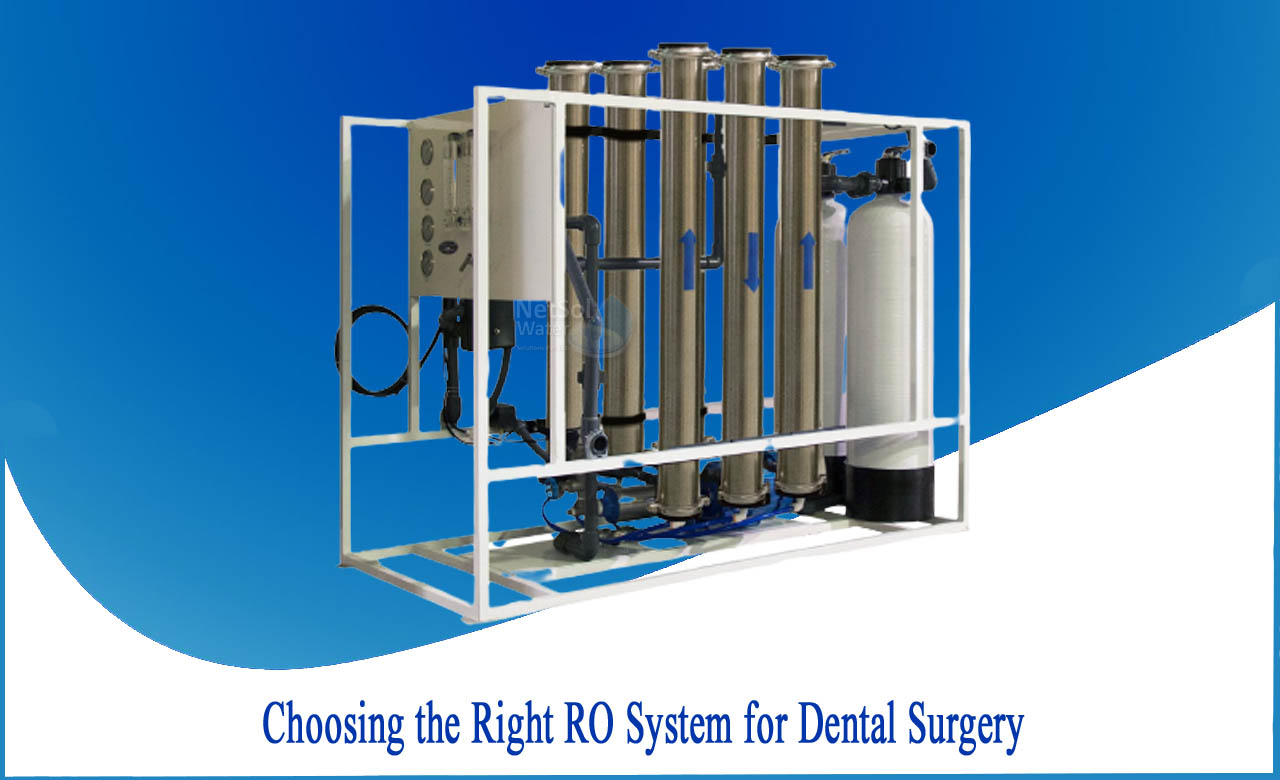 Which Commercial RO System is best for Dental Hospital/Clinic
What about maintenance? (The part nobody loves)
Filters need changing. I know, shocker. But it’s not a daily chore. Most cartridges last 6 to 12 months, depending on your water quality.
Set a calendar reminder, and treat it like an oil change. Your car whines if you skip that, right? Well, your dental unit will whine with sputtering spray and weird tastes. Don’t let it whine.
Some systems even have self-monitoring lights. They blink red when it’s time to swap. It’s like a helpful, non-judgmental robot assistant. What’s not to love?
The patient experience upgrade (aka the secret weapon)
Here’s the fun part: clean water makes your patients happier. Seriously. That cold, crisp rinse after a procedure? They’ll notice it’s not “tap-y.”
Word travels fast. “Dr. So-and-so’s office has amazing water.” It sounds silly, but it’s a flex. A weird, small flex that builds trust. And trust keeps chairs full.
Plus, you can brag about it on your website. “We use advanced water filtration for your safety.” Sounds professional, sounds smart, and it’s actually true. Double win.
Common myths (busted right here)
“I only use distilled water from the store.” Stop. That’s expensive and wasteful. Plus, distilled water is slightly acidic and can corrode your metal instruments over time. Bad idea.
“My water looks fine.” Oh, sweet summer child. The stuff you can’t see is the real troublemaker. Microbes don’t care about your vision. They thrive in dark, warm hoses.
“I don’t need a filter because I flush the lines.” Flushing helps, but it’s like wiping down a kitchen counter with a dry paper towel. You’re moving the dirt around, not removing it. A filter actually removes it.
The bottom line (because I know you’re busy)
Water filtration for your dental office isn’t a “nice-to-have.” It’s a must-have for safety, compliance, and sanity. Your patients deserve clean water, and your equipment deserves a long life.
Start small. Get a point-of-use filter for the most-used chair. See how it feels. Then upgrade when you realize how much better everything works. You’ll wonder why you waited so long.
Now go drink some clean water. You’ve earned it. And maybe call your dental supplier tomorrow. Tell them I sent you—they’ll probably have no idea who I am, but you’ll sound very informed. You’re welcome.
