Reverse Osmosis Whole House Water Filters

Have you ever filled a glass from the tap and noticed a faint smell of bleach, or seen a little white flake floating around? You’re not alone—most of us get water that’s been...
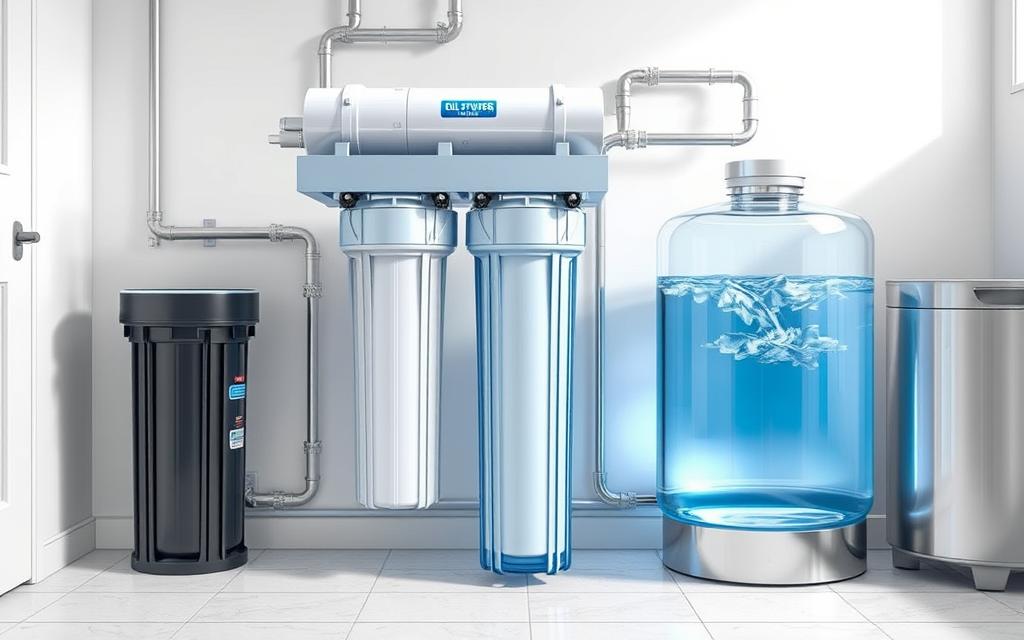
Have you ever filled a glass from the tap and noticed a faint smell of bleach, or seen a little white flake floating around? You’re not alone—most of us get water that’s been through a lot of pipes before it reaches our sink. That’s where a Reverse Osmosis Whole House Water Filter comes in, like a superhero for your entire plumbing system. It’s not just about better-tasting water; it’s about making every drop you touch a little cleaner and a lot more pleasant.
What’s the Big Deal with Reverse Osmosis?
Think of your tap water like a busy highway during rush hour. All sorts of things are riding along—minerals, chlorine, tiny bits of sediment, and sometimes even pesticides. A standard filter is like a tollbooth that stops the big trucks (sand, rust), but lets the smaller cars (dissolved chemicals) zoom right through. Reverse osmosis is more like a super-detailed checkpoint that sends almost everything else packing.
It works by forcing water through a semi-permeable membrane that’s so tight, only pure water molecules can squeeze through. The bad stuff—like lead, arsenic, fluoride, and that weird chlorine taste—gets flushed away. For a whole house system, this happens at the main water line, so every single faucet, showerhead, and ice maker gets the same fresh treatment.
Must Read
Your Morning Coffee Will Thank You
Remember that bitter aftertaste in your morning coffee that makes you add extra sugar? That’s often the chlorine or dissolved minerals in your tap water fighting with the coffee beans. With a whole house RO system, your coffee tastes like what the roaster intended—smooth, rich, and pure. You’ll save money on bottled water too, because your tap water at the kitchen sink will be better than what you buy at the store.
And that glass of water you leave on the nightstand? No more funky smell after a few hours. RO water stays clean and neutral, so you can sip it at 2 a.m. without wondering if something died in your plumbing. It’s a small luxury, but it makes hydration a lot more inviting.
Showers That Feel Like a Spa Upgrade
Hard water is a sneaky villain in most homes. It leaves white scale on your showerhead, makes your soap feel slimy, and turns your freshly washed hair into a frizzy mess. A whole house RO system strips out the calcium and magnesium that cause this, so your shower water is soft as a cloud. You’ll use less shampoo and body wash because everything lathers better without the mineral interference.
Even your skin will notice the difference. Hard water can leave a film on your skin that dries it out or clogs pores. With RO water, your skin feels truly clean—like you just stepped out of a mountain spring. It’s a small change that makes your daily routine feel a little more indulgent.
Let’s Talk About Your Pipes and Appliances
Scale buildup doesn’t just ruin your showerhead’s flow—it clogs your dishwasher, washing machine, and water heater over time. All that gunk forces your appliances to work harder, which means higher energy bills and more repairs. A whole house RO system protects them like a guardian angel, preventing scale from forming in the first place.
Your dishwasher will clean plates without leaving chalky white spots. Your washing machine won’t get that mineral crust that makes it groan. And your water heater will last years longer because it isn’t fighting a constant battle against sediment. It’s like giving your home’s plumbing a free reset every day.
But Wait—Isn’t RO Wasteful?
I hear you—older RO systems used to waste a lot of water (like three gallons for every one gallon filtered). But modern whole house systems have gotten much smarter. Many now recover 80 to 90 percent of the water, and the small amount of reject water can be rerouted to your garden or lawn (check local codes first). That’s a far cry from the wasteful machines of the past.
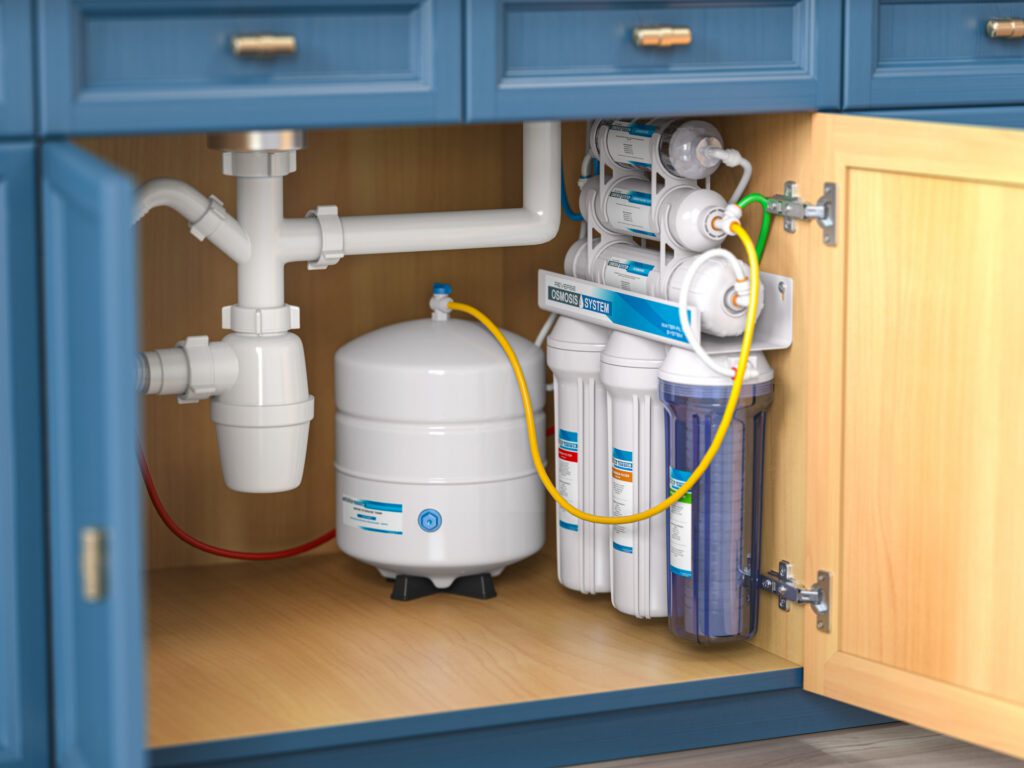 Whole House Water Filter • Meridian, ID - All About Water
And think about the trade-off: you’re no longer buying plastic bottles for the whole family. Each bottle takes a lot of water to produce, so using RO can actually reduce your overall water footprint. It’s a win for your health and for the planet.
Is It Worth the Investment?
Let’s be real—a whole house RO system isn’t pocket change. It usually costs between $2,000 and $5,000 installed, depending on your home size and water quality. But when you factor in the bottled water savings (hundreds of dollars a year), fewer appliance repairs, and the joy of never buying a water pitcher filter again, it can pay for itself in a few years.
Plus, there’s the peace of mind factor. Whether you’re washing veggies, giving your dog a drink, or filling a baby bottle, you know the water is as pure as it can be. No more worrying about lead from old pipes or the taste of the local reservoir.
A Little Love for Your Taste Buds
I once had a friend who swore she hated drinking water—she only drank soda or juice. Then she got a whole house RO system. She called me a week later, excited that she was “addicted” to tap water. The clean, crisp taste was that game-changing. Suddenly, water became her go-to drink.
It sounds silly, but when water tastes good, you actually drink more of it. That means better hydration, clearer skin, and fewer headaches. You might even find yourself reaching for that refillable bottle more often, saving money and the environment at the same time. It’s a simple pleasure that keeps giving.
Final Thoughts from a Happy Tapper
You don’t need to be a science nerd to appreciate reverse osmosis. You just need to be someone who likes their coffee unspoiled, their skin soft, and their appliances happy. It’s one of those upgrades that you’ll notice every single day without thinking about it—like a secret helper that makes everything a little better.
So if you’re tired of that chlorine smell, the white scale, or the endless parade of plastic bottles, give a whole house RO system a look. Your morning coffee, your shower, and your washing machine will all send you a thank-you note. Cheers to water that’s actually worth drinking.
