Where To Buy Certified Water Testing Kits

You wouldn't drink from a puddle, right? But your tap water might taste like one. Knowing what's in your glass is oddly satisfying—like solving a tiny, splashy mystery. Let’s...
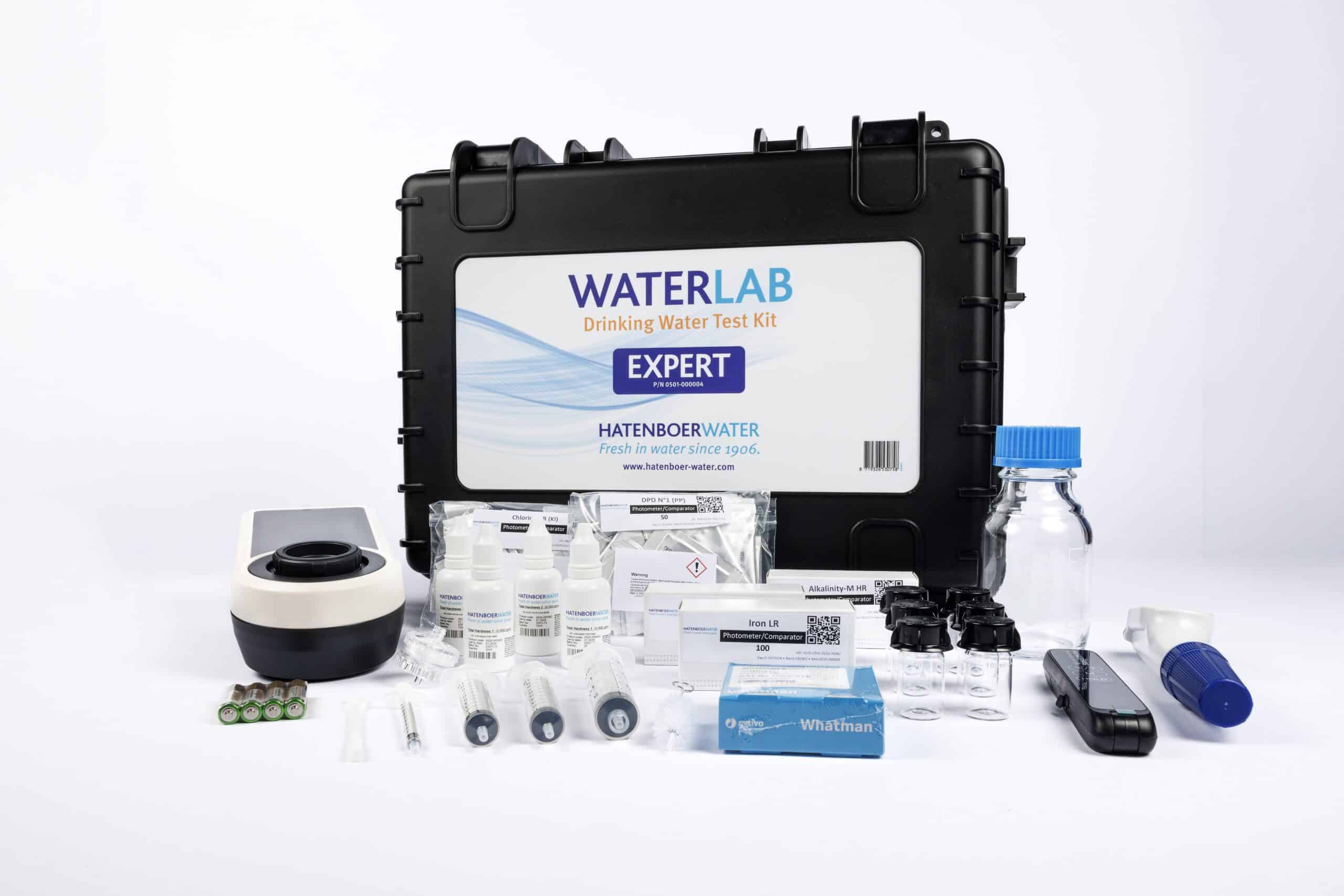
You wouldn't drink from a puddle, right? But your tap water might taste like one. Knowing what's in your glass is oddly satisfying—like solving a tiny, splashy mystery.
Let’s talk about certified water testing kits. Not the cheap ones that scream "pH!" and ignore the creepy stuff. You want the gold-standard, lab-backed, don’t-let-your-kitchen-sink-embarrass-you kind.
Why Buy Certified? (The Short, Gross Answer)
Uncertified kits are like using a mood ring to take your temperature. They might tell you something, but you’ll never trust it.
Must Read
Certified kits are approved by environmental agencies. They find lead, bacteria, pesticides, and even that weird, chlorine-y ghost flavor. Fun fact: Some tap water contains trace amounts of pharmaceuticals. Nothing screams "party" like a sip of someone else’s ibuprofen.
Getting a certified test is basically giving your water a background check. And we all know water has a shady past.
Where to Buy: The Treasure Map
1. Your Local Health Department
Yes, the same people who stamp restaurant grades. They’re obsessed with clean water. Most health departments sell or lend certified kits for rock-bottom prices.
Walk in, ask for a "well water test kit." They’ll hand you a box that looks like a science project. Pro tip: They might also give you a free CDC-approved lecture on proper water storage. It’s oddly charming.
2. Home Improvement Stores (The Big Orange and Blue Guys)
Home Depot and Lowe’s have entire aisles dedicated to water fear. Certified kits sit next to the water softeners, looking smug.
Look for brands like SimpleLab, Tap Score, or WaterSafe. These are the McDonald’s of water testing—reliable, everywhere, and you know what you’re getting. Fun detail: One kit tests for radon, which is a gas that seeps up from the ground. Yes, your basement could be farting radioactive gas.
Buy one, and the cashier might ask, "Testing for an apocalypse?" Just nod.
3. Online Certified Goldmines
Amazon is wild. You can buy a certified water kit at 2 AM, while eating cereal over the sink. Search for EPA-recognized laboratories.
Brands like E-Test, Clearwater, or WaterCheck ship directly to your door. Quirky fact: Some kits include a fecal coliform test. That’s a polite way to say "poop check." Yes, your water might have microscopic poop particles. Suddenly, that sports bottle feels less cool.
Check reviews for "took two weeks to get results" or "bottle leaked in fridge." You want the kit that promises a digital report, not a carrier pigeon.
4. State Environmental Agencies
Every state has a weirdly enthusiastic water department. Visit their website. They often sell certified kits for dirt cheap.
Why? Because they desperately want you to stop complaining about rust. Fun name alert: The "Private Well and Water Quality Program." Sounds like a teenage sitcom. But they’re the pros.
 Waterlab MLC - Professional Marine Water Testing Kit
Some agencies even offer free testing for nitrates—the stuff from fertilizer that makes your water smell like a farm. If your tap smells like cow, this is your jam.
5. Specialty Lab Websites (For the Truly Paranoid)
If you want to test for arsenic, uranium, or lead (because your 1920s pipes are "vintage"), go to Tap Score or SimpleLab. They’re the fancy pants of water testing.
You pay a bit more, but they send you a beautiful report. It’s like a wine tasting note, but for your bathroom sink. Example: "Your water has notes of limestone and a hint of sadness."
They also email you action steps. If your lead level is high, they’ll tell you to buy a filter. If your nitrate level is high, they’ll suggest you stop letting your dog fertilize the lawn.
How to Not Screw It Up
Once you buy the kit, read the instructions. I know, it hurts. But certified kits are picky.
Fill the bottle exactly to the line. Don’t touch the inside. Don’t eat the packet (it’s not a snack). Mail it back immediately—the bacteria in your water will start having children while you procrastinate.
Fun fact: If you wait too long, the kit’s seal degrades. Then your water sample starts growing a beard. Lab techs will laugh at you. Don’t be the person whose sample turned into science fair mold.
Why This Is Actually Fun
Testing your water is a gateway drug to curiosity. Suddenly, you’re googling "pH vs. alkalinity" at 11 PM. You start suspiciously sniffing every tap in the house.
You’ll feel like a mad scientist. You’ll use words like "turbidity" at parties. People will think you’re smart, or weird. Both are good.
Plus, when your neighbor brags about their $5,000 filter, you can casually say, "My water tested negative for coliform. How’s yours?" Mic drop.
The Final Splash
Buy a certified kit. Test your water. Own your pipes.
Worst case? Your water is fine, and you feel smug. Best case? You find a problem, fix it, and avoid drinking a cocktail of old pipe rust and teenage bacteria.
Go get that kit. Your future, hydrated self will thank you. And if nothing else, you’ll finally have a good story about that time you got a lab report for your kitchen sink.
