Where Are Water Meters Located On A House

Let’s be honest—when was the last time you gave your water meter a second thought? If you’re like most of us, that little gadget is about as exciting as a sock drawer. But her...
Let’s be honest—when was the last time you gave your water meter a second thought? If you’re like most of us, that little gadget is about as exciting as a sock drawer. But here’s the secret: knowing where it is can actually save you money, prevent a flood, and make you feel like a home-maintenance superhero. Ready to become an honorary plumber? Let’s go hunting.
The Great Outdoor Adventure
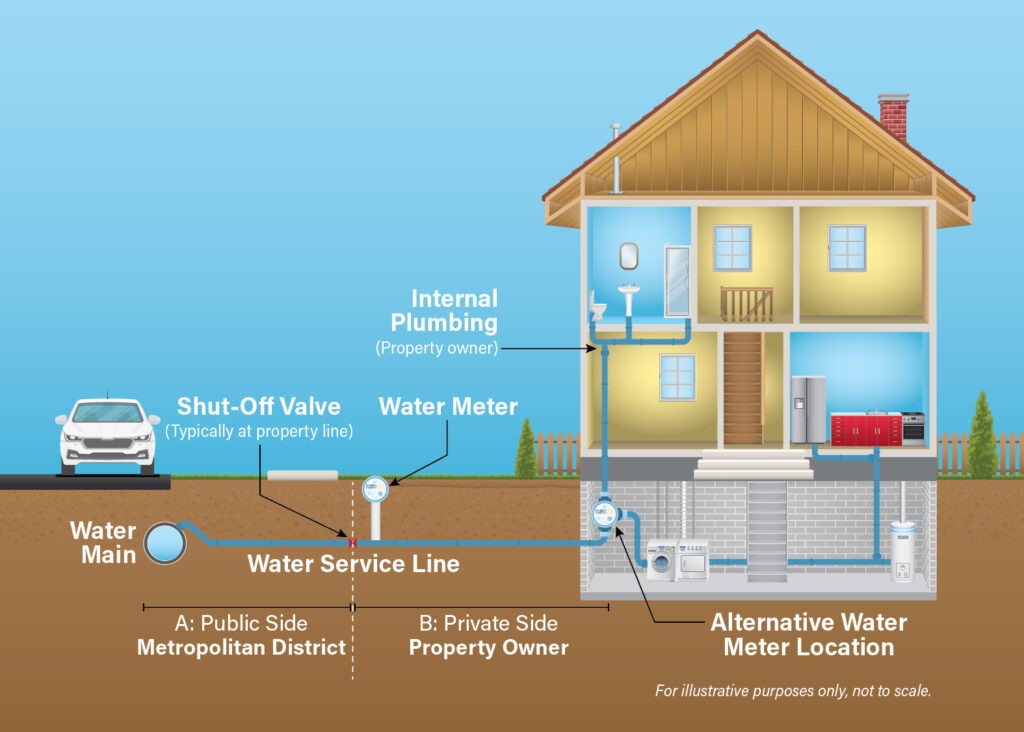
Most water meters are outside, lurking near the street like a tiny, metallic groundhog. You’ll usually find it inside a concrete or plastic box flush with the ground, often with a metal or plastic lid. Look near the property line—that imaginary fence between your yard and the sidewalk.
Pop that lid open (carefully—spiders love these spots) and you’ll see a round dial or digital display. That’s your meter, and it’s been quietly counting every drop you use. Bold move, little meter. You’re basically the house’s speedometer for water.
Must Read
If your house is older or built on a slab, the meter might be in a basement or crawl space. Don’t panic—it’s just playing hide-and-seek. Check near the front wall where the main water pipe enters the house.
Why Bother Finding It? (Spoiler: It’s Actually Fun)
Ever had a mysterious high water bill and no idea why? Finding your meter lets you turn off the water in an emergency—like when a pipe bursts and you suddenly become a waterfall curator. You’ll also spot leaks before they wreck your wallet.
Here’s the fun part: you can check it for a “leak test.” Turn off all faucets and appliances, then watch the little dial. If it’s still spinning, you’ve got a sneaky drip somewhere. Congratulations, you’re now a detective!
And let’s be real—there’s a weird satisfaction in seeing your own water usage. It’s like reading your electric bill, but with fewer regrets and more “look how efficient I am!” vibes.
Inside vs. Outside: The Great Meter Debate
In warmer climates, meters are almost always outside. Freezing weather? They’re tucked inside a garage, basement, or even a utility closet. Think of it as your house’s way of saying, “I’ve got your back.”
If you live in an apartment or condo, your meter might be in a shared utility room. Look for a numbered panel with your unit’s name—or just ask your landlord. No shame in that game. We’re all learners here.
One golden rule: never try to remove the meter yourself. That’s the utility company’s property. You’re the explorer, not the conqueror. Leave the wrench at home, friend.
How to Spot It Without a Treasure Map
Start at your main water shut-off valve (usually near the water heater or where the pipe enters the house). Follow that pipe toward the street—the meter is its final destination. If you’ve got a crawl space, bring a flashlight and a healthy respect for cobwebs.
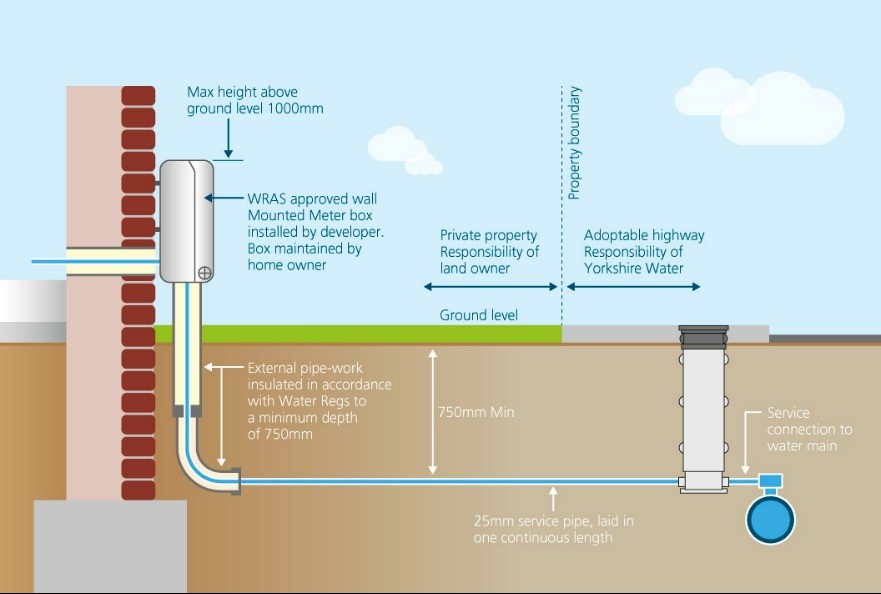 Water meter locations for developers
Still stuck? Check your water bill—it often lists the meter’s location. Or call your utility company. They’ve got maps and probably a good laugh about how many people ask. “You’re not the first,” they’ll say, and you’ll feel like part of a secret club.
Pro tip: Once you find it, mark the spot with a brightly colored plant or a small rock. Future you will thank you during a midnight leak emergency. And you’ll look super organized.
What to Do Once You’ve Found It
Take a photo. Seriously. Snap a pic of the meter reading and the lid’s location. Store it in your phone under “Smart People Things.” Then, learn how to read it—most are just like a car odometer. Easy peasy.
Test your new skill: check the meter once a month. Compare it to your bill. If there’s a huge difference, you’ve caught a leak early. That’s hundreds of dollars saved and a smug sense of satisfaction.
Share your discovery with your family! Make it a game: “Who can find the water meter fastest?” Winner gets to pick the next Netflix show. Suddenly, home maintenance is fun.
The Uplifting Finish (You Made It!)
Now you know something that most people don’t. You’ve unlocked a tiny but mighty secret of your home. That little meter isn’t just a device—it’s a gateway to confidence and a calmer, drier life.
Every time you walk past your meter, smile. You’re the kind of person who looks things up, who owns their space, who turns “boring” into an adventure. The world is full of hidden wonders—water meters, weather vanes, mysterious pipes—all waiting for you to say, “I’m curious.”
Go ahead. Be curious. The more you learn about your house, the more it feels like home. And the next time someone asks, “Where’s your water meter?” you’ll just grin. Because you already know.
