How Do I Find Drainage Plans For My House

You know that sinking feeling when you spot a puddle in your basement, or worse, hear a gurgle from the toilet that sounds like a tiny, angry monster? Suddenly, you realize yo...
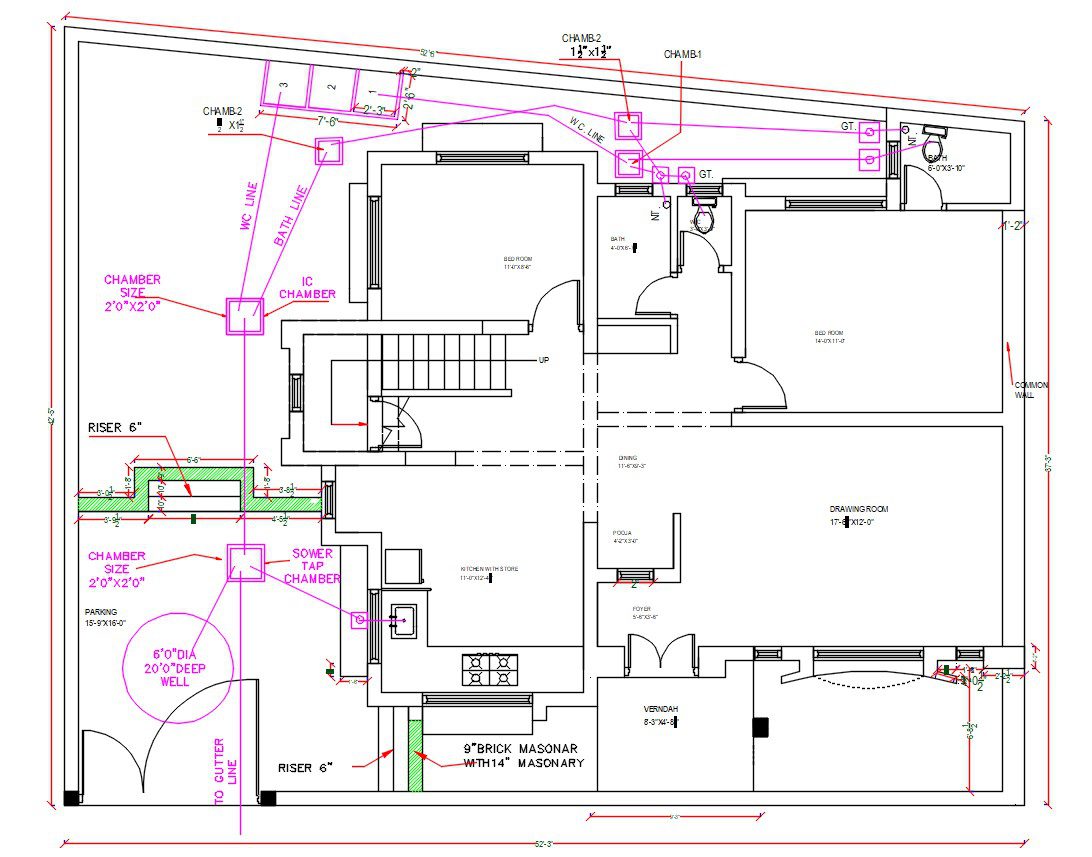
You know that sinking feeling when you spot a puddle in your basement, or worse, hear a gurgle from the toilet that sounds like a tiny, angry monster? Suddenly, you realize you have zero clue where your drain pipes actually run. It’s like owning a car but not knowing where the gas tank is—except the stakes are a flooded living room carpet.
The hunt for your home’s drainage plans feels like searching for a treasure map that a previous owner misplaced. You’ll dig through old files, poke your head under sinks, and maybe even pray to the plumbing gods for a sign. But don’t worry—I’ve been there, and I’ve got the muddy shoes to prove it.
Start With the Obvious Places (Where You’d Least Expect Magic)
First, check your house’s official paperwork. The original building plans or a stormwater report from when the house was built might be hiding in your closing documents. I once found mine stuffed inside a wedding invitation envelope from 1987—true story.
Must Read
If you’re not that lucky, call your local municipal building department. Ask for the “as-built” drainage plans, but prepare for a comedy of errors. The city clerk might hand you a microfiche reel from 1972 that looks like a blurry alien language.
Don’t forget your property survey—it’s that map you got at closing and promptly filed under “who cares.” It often shows where drainage easements or pipes cross your yard, even if it won’t tell you if that weird pipe under the deck leads to the neighbor’s lawn.
When the City Has Zero Interest in Your Muddy Drama
If the city shrugs (and they often do), try your homeowners association (HOA) or the original builder if it’s a newer house. I called my HOA once and got a recording of a lady talking about pool hours. Not helpful.
Another golden source: neighbors. Bob from three houses down remembers the 1998 renovation where “old man Jenkins” dug up half the street. Bob might also tell you his cat’s dietary preferences, but take the info and run.
If all else fails, go digital. Use a public GIS map (your county’s online tool) to see drainage patterns on overhead photos. It’s like Google Maps for puddles, and it’s free—unlike your next plumber’s bill.
Time to Get Your Hands Dirty (Literally)
When plans are a no-show, you become a detective with a shovel. Follow the pipes from your gutters, downspouts, and basement floor drains outside. I once traced a mysterious drainage pipe and ended up in my neighbor’s daisy patch—they were less than thrilled.
Look for clean-out caps (those white or black plastic circles sticking out of the ground). They’re like secret portals to your drainage network. Pop one open with a screwdriver (carefully!) and use a camera snake—or rent a cheap borescope from the hardware store.
Warning: This is the part where you might find a clog made of 15 years of “flushable” wipes. It’s not glamorous, but it’s honest work. Wear gloves. And maybe a nose peg.
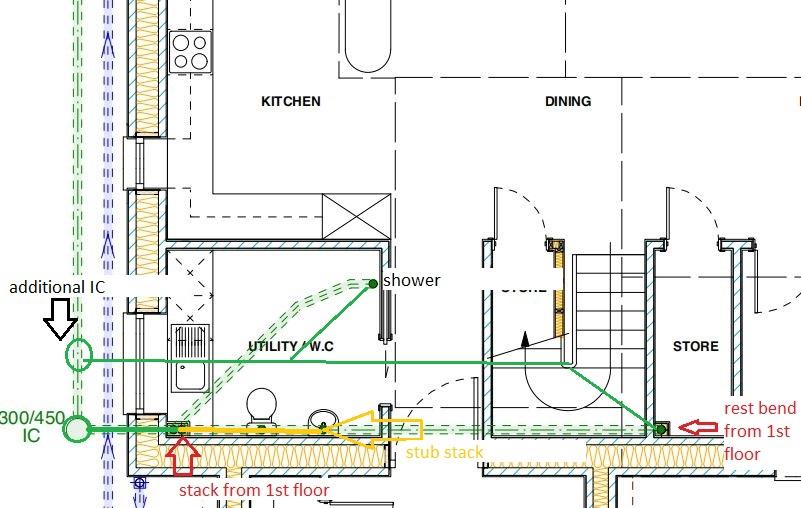 How Do I Find The Drainage Plans For My House at Betty Coleman blog
The Hidden Clues That Drainage Plans Miss
Your yard itself is a map. Low spots where water pools after rain? That’s Mother Nature telling you where the old drain lines might be. I once saw a guy use a garden hose to flood his lawn to “follow the water”—his wife came out with a sandwich and asked if he’d lost his mind.
Check your grading too. If the ground slopes toward your foundation, no plan in the world will save you. But if you see a slight trench or a dry creek bed, congrats—that’s often a hidden French drain, not a secret dinosaur grave.
Pro tip: Ask your kids or pets. My dog once dug a hole directly over a clogged drain line. He’s not a plumbing genius; he just liked the smell of wet socks.
When You’ve Hit Every Wall (And Basement Floor)
If you’re totally stuck, hire a private drainage consultant or a utility locator service. They’ll use ground-penetrating radar (yes, like in spy movies) to find your pipes. The cost might sting, but so does a flooded basement that ruins your vintage record collection.
Alternatively, snap a few photos of what you find and post them on a homeowner forum like Reddit’s r/Plumbing. Strangers will argue for hours about whether it’s a storm drain or a sewer line. Take their advice with a grain of salt—and a backup plan.
Remember: You aren’t alone in this soggy quest. Every homeowner at some point squints at a muddy yard, muttering “where does this pipe even go?” It’s a rite of passage, right up there with assembling IKEA furniture without crying.
The Final Weird Trick That Actually Works
If all else fails, call your local plumber for a “drain scope” visit. They’ll run a camera down your main clean-out and give you a video tour of your pipe’s dark, slimy past. It’s like a colonoscopy for your house, but less embarrassing.
Make a rough sketch of what you learn—use a napkin if needed. Then keep that napkin in a clear plastic sleeve near your water shut-off. Future you will high-five present you when the next storm hits.
At the end of the day, finding your drainage plans is half luck, half obsession, and a whole lot of determination mixed with mud. You might never find the official blueprint, but you’ll know exactly where that one pipe runs—and isn’t that the real victory?
