If You Boil Sink Water Is It Safe To Drink

So, you’re staring at a glass of tap water. Maybe it’s from the kitchen sink, maybe the bathroom. (Don’t judge—we’ve all been desperate at 2 a.m.) And you’re thinking: If I ju...
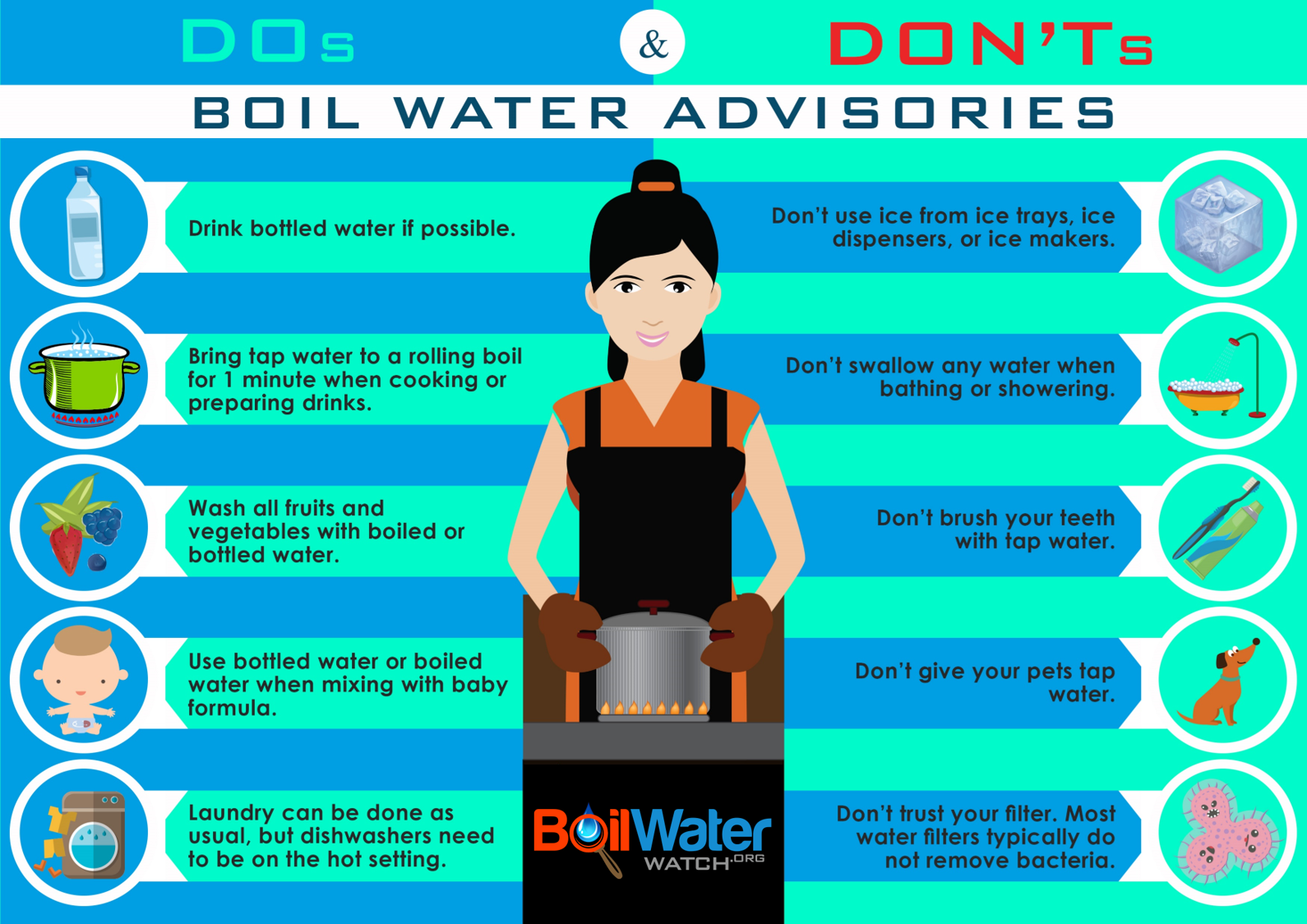
So, you’re staring at a glass of tap water. Maybe it’s from the kitchen sink, maybe the bathroom. (Don’t judge—we’ve all been desperate at 2 a.m.) And you’re thinking: If I just boil the heck out of it, is it safe? Let’s chat about it, like we’re sitting on your porch with cheap coffee.
First off, yes—boiling is a rock star against bacteria, viruses, and parasites. Think of it as a tiny, hot apocalypse for the nasty stuff. Bring that water to a rolling boil for one minute (or three if you’re above 6,500 feet—science, baby), and you’ve nuked most living threats. You’re not making it sterile, but you’re making it safer. Good job, you!
But here’s the catch: boiling doesn’t fix everything. It’s like using a band-aid on a leaky pipe. If your water is cloudy from sediment, rust, or silt, boiling just makes hot, cloudy water. You’ll still taste the dirt—and nobody wants a mouthful of “eau de basement.”
Must Read
The Chemical Elephant in the Room
Here’s where it gets tricky. Chemicals like lead, pesticides, or industrial runoff don’t care about your rolling boil. They just laugh and stay put. In fact, boiling can concentrate some nasties, like nitrates or heavy metals, as the water evaporates away. So if your sink water comes from a well near an old farm? Boil it if you want, but you’re essentially making lead tea. Yum?
Oh, and chlorine? That stuff they add to city water to keep it safe? Boiling actually removes it—which is great for the taste, but bad if you were relying on that chlorine to fight other bugs. It’s a trade-off, like choosing between a smoothie and a salad.
When Boiling is Actually a Superhero
Okay, so when should you whip out the pot? If your municipality issues a boil water advisory, it’s usually because a pipe broke and germs got in. In that case, boil away! One minute, rolling boil, and you’re golden. Same goes for camping trips where you’re drinking from a stream that looks like iced tea. Boiling is your pal there.
But here’s a pro tip: let it cool in a clean container. Don’t just pour boiling water into a dirty cup—you’ll re-contaminate it faster than a toddler with a lollipop. And if you’re worried about taste, pour it back and forth between two cups to add oxygen. It’s called “aeration,” but it’s basically water karaoke.
The Sediment Situation
Got cloudy water? Boil it, then filter it through a clean cloth or coffee filter. The boiling kills the germs, and the cloth catches the grit. It’s like a two-step dance, but with fewer awkward moves. Just don’t use a paper towel—it’ll disintegrate and turn your water into soggy confetti.
And that white crust on your kettle? That’s hard water minerals—calcium and magnesium. They’re harmless (your bones love them), but they make water taste like chalk. Boiling makes them more concentrated, so your “safe” water might taste like a rock collection. Brita filter that stuff, friend.
 How To Boil Drinking Water Safely
The Real Hidden Danger
Here’s what nobody tells you: your sink faucet might be the villain. Old faucets or pipes can have lead solder or brass fittings that leach heavy metals. Boiling does nada for that. You could boil that water for an hour—still leady. The only fix? Test your water or use a certified filter that removes lead. Or, you know, move to a house built after 1986.
Also, plastic pipes? Some older forms of PVC can leach chemicals when heated. So if you boil water that sat in a hot pipe all day, you’re basically making soup of regret. Let the cold water run for a minute first, then boil it.
The Bottom Line (Yes, I’m Getting There)
If you’re healthy and the water looks clear and comes from a municipal supply? Boiling once a month isn’t a bad safety net. But if you’re drinking sink water every day, just boiling it is like wearing a helmet to the library—overkill for the wrong threat. Invest in a good filter—or just enjoy the tap water, because most of it is already safe.
And if you’re still paranoid? Buy a water test kit. They’re cheap, easy, and way more fun than guessing. (Okay, “fun” is a stretch. But it’s less boring than a hospital visit.)
A Little Final Sass
Look, I’m not saying you should chug from a garden hose. (Please don’t. Hose water is for plants, not livers.) But sink water, boiled, is often fine for short-term use. For long-term health, fix the source, not the symptom. And if your water smells like a swimming pool or tastes like a penny? Stop boiling it. That’s a sign to call a plumber, not a chef.
So go ahead—boil your sink water if you want. Just know that boiling is a tool, not a miracle. It’s the friend who’s great at parties but can’t fix your car. Use it wisely, and drink up—preferably from a clean cup. Cheers, you glorious paranoid weirdo!
