Is It Safe To Freeze Plastic Water Bottles

So, you’ve got a half-empty plastic water bottle, the ice cube tray is full, and a thought pops into your head: Can I just toss this whole bottle in the freezer? It’s a great...
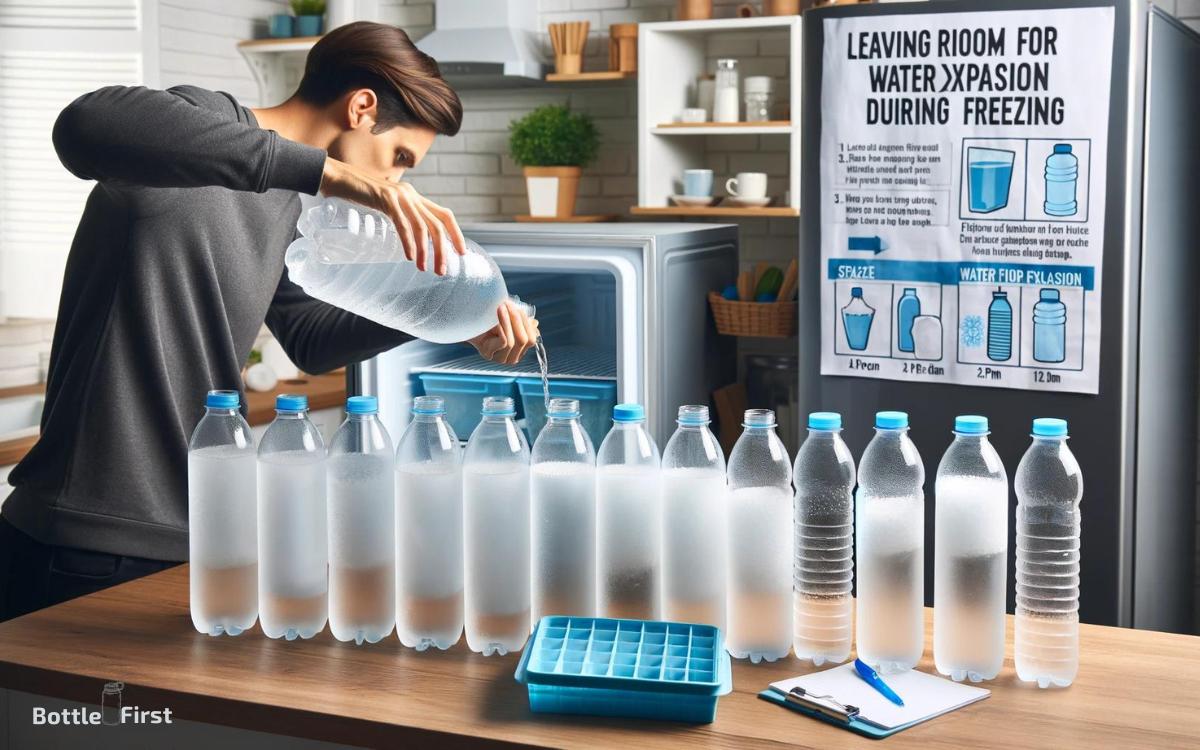
So, you’ve got a half-empty plastic water bottle, the ice cube tray is full, and a thought pops into your head: Can I just toss this whole bottle in the freezer? It’s a great question, and honestly, it feels like it should be a simple yes or no. But like most things in life, the answer is a little more interesting than that.
First, let’s talk about the plastic itself. That flimsy, crinkly bottle you buy at the gas station is usually made from PET (polyethylene terephthalate). Think of PET as the one-hit wonder of plastics—super convenient for a single use, but not really built for the big leagues of a deep freeze.
When water freezes, it expands. It’s a cool party trick that ice cubes float, but inside a sealed bottle, that expansion creates serious pressure. Imagine a tiny, invisible army pushing against the walls from the inside. Your poor bottle is just trying to hold it together.
Must Read
Is it actually dangerous?
For most standard, single-use water bottles, freezing them is generally considered safe, but not exactly recommended. The biggest risk? The bottle could crack or split open, leaving you with a sad, icy mess in your freezer. It’s like a balloon that you keep blowing up until it pops—except the pop is a slow, frozen leak.
And what about those scary stories about plastic leaching chemicals? You’ve probably heard the rumor that freezing releases dioxins, which sounds terrifying, right? Well, take a breath—this is mostly a myth. Scientific consensus says freezing PET bottles actually helps prevent most chemical leaching, unlike heating them up in a hot car.
The real chemical concern is more about reusing that bottle over and over again. Each time you crush or refreeze it, you create tiny scratches and weak points where bacteria can hide. Think of it like that old pair of sneakers you love—they’re fine until the sole finally gives out.
The “Cool” Factor (Literally)
But here’s where it gets really interesting: freezing a water bottle can be a genius life hack. Instead of using a bulky bottle, try freezing it about three-quarters full. As the water expands, the ice will push to the top, and you won’t stress the seams. It’s like giving your bottle a deep breath before the big chill.
Why bother? A frozen bottle becomes a reusable ice pack for your lunchbox. You get cold water as it melts, and you avoid soggy sandwiches. It’s a two-for-one deal that feels almost too smart. Plus, on a hot day, that slowly melting ice water tastes crispier than room-temp tap water—or maybe that’s just the power of suggestion.
 How To Freeze Plastic Water Bottles? 6 Easy Steps!
Another cool trick: freeze a bottle partially, then turn it upside down. The ice block shifts, and you get a giant, slow-melting ice cube for a pitcher of lemonade. No more watered-down drinks by the end of the party. Your future self will thank you.
So, should you do it?
If you’re using a fresh, single-use bottle and you’re not planning to reuse it ten times, go ahead and freeze it. Just leave a little empty space at the top—the “headroom” scientists love to talk about. It’s like wearing stretchy pants after a big meal: a little room makes everything work better.
But if you’re thinking about that old, crinkled bottle you found under the car seat? Maybe don’t freeze that one. That plastic has seen things. It’s been through hot cars and dusty trails, and now you want to subject it to subzero temperatures? Respect its retirement.
Instead, invest in a reusable stainless steel or silicone bottle designed for freezing. They’re tougher, safer, and honestly, they make you look like a hydration pro. Your cheap plastic bottle is like a paper umbrella—fun in theory, but not built for a storm.
The Bottom Line?
Freezing plastic water bottles isn’t a terrible crime against science, but it’s not something to do on autopilot either. It’s safe with caution—like crossing a street after looking both ways. Pay attention to the bottle’s condition, give it some breathing room, and you’ll be fine.
So next time you’re tempted to toss that bottle in the freezer, ask yourself: Is this bottle a champ or a chump? If it’s fresh and you treat it right, it’ll be your cool buddy. If it’s beat up and brittle, give it the dignity of the recycling bin. Your freezer, your rules—just don’t forget to leave a little space for the ice to breathe.
