How Can You Tell If Water Is Safe To Drink

Let’s be real: water is the unsung hero of your life. It keeps you going, washes down your morning coffee, and makes your houseplants look like superstars. But how can you tel...
Let’s be real: water is the unsung hero of your life. It keeps you going, washes down your morning coffee, and makes your houseplants look like superstars. But how can you tell if the stuff coming out of your tap (or trickling from that mountain stream) is actually safe to drink?
The Obvious (and Not-So-Obvious) Telltale Signs
First, use your inner detective: your senses. If the water looks cloudy, has a weird color (rusty orange, anyone?), or smells like a swimming pool, you’ve got a red flag waving in your face.
But here’s the sneaky part: safe water doesn’t always look perfect. That crystal-clear glass might still harbor microscopic party crashers like bacteria or lead. So, never judge a glass of water solely by its cover!
Must Read
Your Nose Knows Best (Usually)
That faint smell of chlorine? It’s often a good sign—a sign that your municipal water has been disinfected. A bit of a “pool vibe” means the treatment is doing its job to keep you healthy.
But if you catch a whiff of rotten eggs (yuck), that’s usually sulfur or decaying organic matter. Not deadly, but not exactly a refreshing sip. And a metallic smell? That could mean your pipes are aging and leaching minerals.
The Gadget-Free Test (Yes, You Can Do This!)
Fill a clean glass and let it sit for a minute. Does it clear up? Good—that cloudiness was probably just tiny air bubbles. Does it stay milky? That might mean sediment or a chemical issue worth investigating.
Another trick: shake a small bottle of it. If it foams up like soda and won’t settle, you might have excess dissolved solids. Not a dealbreaker, but something to note when you’re on a hiking trip.
But What About the Wild, Wonderful Outdoors?
Ah, the great outdoors! That bubbling stream looks so pure, right? Wrong. Even the prettiest mountain water can hide Giardia (a parasite that will ruin your whole weekend). Use a portable filter or boil it for at least one minute if you’re ever in doubt.
Here’s a cheat code: carry a UV pen or purification tablets. They’re tiny, cheap, and turn “maybe safe” into “definitely drinkable.” Safety never felt so adventurous!
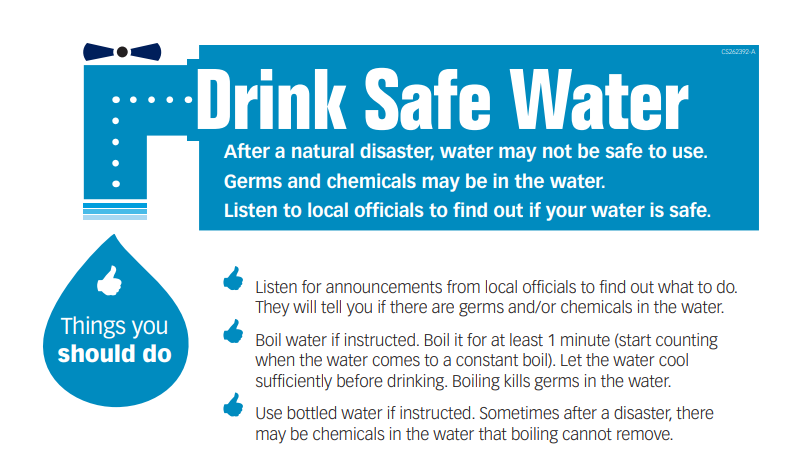 Drinking Water Safety Sign Safe Condition Signs From
The Geeky (But Fun) Way to Know for Sure
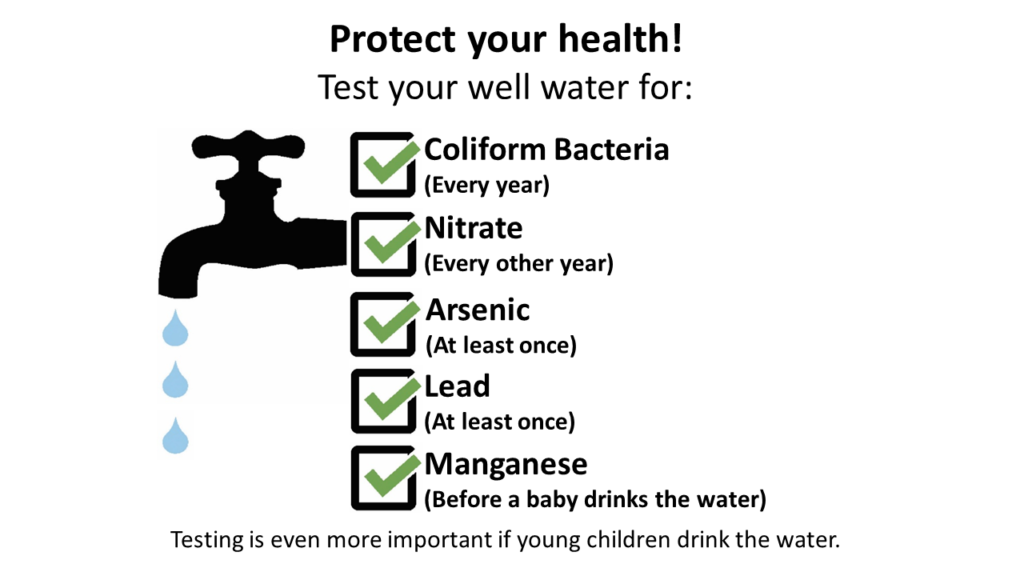
Feeling extra curious? Grab a home water test kit from any hardware store. They cost less than a fancy latte and can test for pH, hardness, chlorine, and even lead. You get to play mad scientist for ten minutes—and win the knowledge that your water is top-tier.
Or, if you want the gold standard, check your local water utility’s annual Consumer Confidence Report. It’s a public document that tells you exactly what’s in your water. (You can usually find it online in about 30 seconds.)
Why This Makes Life Way More Fun
Think about it: when you know your water is safe, you can chug it with reckless abandon. That means more energy for hikes, better skin, and fewer “is that a stomach ache?” anxieties. You become the hydration hero of your friend group.
Plus, you’ll never fear a public water fountain again. That little machine at the park? You are now the expert who knows if it’s a blessing or a bust.
A Final, Upbeat Note (Read This with a Sip of Water in Hand)
Learning to judge water safety isn’t about paranoia—it’s about empowerment. You’re not just avoiding yucky germs; you’re building a tiny skill that connects you to the planet and your own well-being.
So go ahead: test your tap, filter your stream, and sip that glorious, life-giving H2O with a smile. The more you learn, the more every glass feels like a small, refreshing adventure. Now go hydrate like the awesome, inquisitive human you are!
