How Often Should I Change My Keurig Filter

Let’s get real for a second. You bought that Keurig for speed, not for a second job. But is your coffee starting to taste like a dusty attic? The culprit might be that tiny, f...
Let’s get real for a second. You bought that Keurig for speed, not for a second job. But is your coffee starting to taste like a dusty attic? The culprit might be that tiny, forgotten filter inside your brewer.
The Big Question: How Often?
Seriously, how often should you swap it? The official answer is every two months (or 60 tank refills). That’s the boring truth.
But here’s the fun part: your water is a secret traitor. Hard water has minerals that play dirty. If your tap water leaves crusty rings in your kettle, you’re in hard-water country. Change your filter every month there.
Must Read
Soft water? You can likely stretch it to three months. But don’t test it. Coffee tastes like rebellion, not chalk.
The Science (Made Fun)
Every filter is a tiny bouncer for your mug. It kicks out chlorine, sediment, and that weird metallic tang. Imagine a nightclub where the bouncer is asleep. That’s your old filter.
Your Keurig is basically a robot barista. It’s begging you for a fresh filter. Ignore it, and you get bitter coffee and a machine that clogs like a grumpy drain.
Fun fact: a clogged filter makes your brewer work 20% harder. That’s like you running a marathon in flip-flops. Not cool.
Quirky Signs You’re Late
Your coffee starts tasting like water with a grudge. That’s a red flag, my friend. Another clue: your brew time doubles. You’re now waiting for coffee like it’s a bus in a storm.
Ever see a white, crusty film float in your cup? That’s “scale”—nature’s way of saying you failed. It’s harmless, but it’s rude. Swap that filter, stat.
The Replacement Ritual
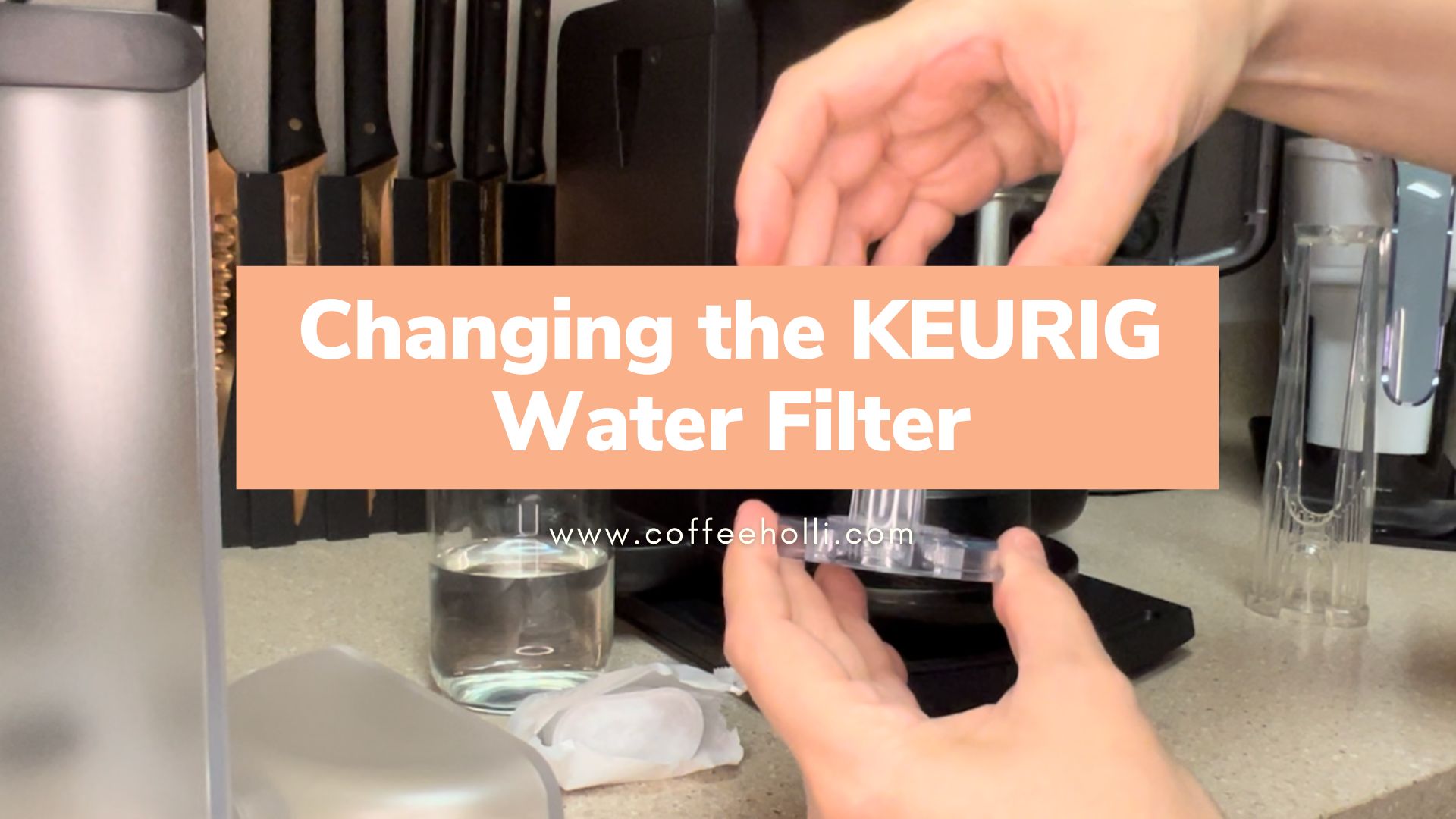
Don’t just yank the old filter out. First, run a water-only cycle. This cleans the pipes. Then, soak your new filter in cold water for five minutes. Yes, it’s a spa day for plastic.
Pop it in with the flat side down. The round side goes up. It’s not rocket surgery—it’s common sense. But you’d be amazed how many people do it backwards.
What Happens If You Never Change It?
Your coffee will taste like regret. And your Keurig might die early. A dead Keurig is a $100 tragedy you can avoid with a $6 filter.
![How Often to Change Water Filter in Keurig [Essential Guide]](https://www.wikihow.com/images/thumb/e/ea/Replace-a-Keurig-Water-Filter-Step-9-Version-3.jpg/v4-1200px-Replace-a-Keurig-Water-Filter-Step-9-Version-3.jpg) How Often to Change Water Filter in Keurig [Essential Guide]
How Often to Change Water Filter in Keurig [Essential Guide]
Bacteria like to party in old filters. They throw a rave in that dark, wet plastic. Let that sink in over your next cup. Yum.
Some folks say they’ve gone a year without a change. They’re either liars or have no taste buds. Don’t be that person.
The Best Part: It’s Easy
You can buy a pack of 12 filters for under twenty bucks. That’s cheaper than two lattes from a café. Set a calendar reminder on your phone. Name it “Filter Fiesta.”
Change it while you’re waiting for your coffee to brew. It takes ten seconds. Ten seconds to save your morning from ruin. You brush your teeth longer than that.
But Wait—Is It Even Worth It?
Honestly? If you use bottled water, you might skip the filter entirely. But bottled water is a plastic crime. And it still tastes flat next to filtered tap water.
A fresh filter makes your coffee taste like a hug from a roastery. It keeps your machine alive longer. And it makes you feel like a responsible adult. That’s rare.
Quirky truth: some people claim their Keurig runs quieter with a new filter. I call placebo. But if it makes you happy, rock on.
The Verdict
Change it every two months if you’re normal. Every month if your water is hard as a brick. You’ll taste the difference by day three.
Mark your calendar. Buy filters in bulk. Treat your Keurig like the caffeinated workhorse it is. Your taste buds will thank you.
And please, for the love of caffeine, stop ignoring that little plastic basket. It’s not a snack holder. It’s your coffee’s bodyguard. Give it a promotion.
