Difference Between Distilled And Tap Water

So, the other day I’m at my friend’s place. We’re mixing up some of those fancy instant noodles—the kind that cost four bucks and come with a “signature broth packet.” My budd...

So, the other day I’m at my friend’s place. We’re mixing up some of those fancy instant noodles—the kind that cost four bucks and come with a “signature broth packet.” My buddy, let’s call him Dave, fills the electric kettle from the tap. I, being a self-appointed water snob, wince and say, “Dude, isn’t that going to ruin the flavor?” Dave looks at me like I just insulted his mother, shrugs, and pours the boiled tap water straight over the noodles. I took one bite, and honestly? It tasted like regret and a faint hint of pool chlorine.
That moment got me thinking. What actually is the difference between distilled water and the stuff that comes out of your faucet? I mean, water is water, right? Wrong. It’s like saying a leather jacket and a rain poncho are the same thing because they both keep you covered. One looks cool and ages well; the other is basically emergency plastic.
Tap Water: The Rowdy Liquid Neighbor
Tap water is a wild cocktail of stuff. It starts off as rain or groundwater, but by the time it reaches your glass, it’s been filtered, treated with chlorine, and possibly laced with a dash of lead from old pipes. Sounds delicious, right? (Please pause your drink right there.)
Must Read
Municipalities are legally required to add disinfectants like chlorine or chloramine to kill bacteria. That’s good for safety, but it’s why your morning coffee sometimes has that weird “swimming pool” aftertaste. Tap water also contains minerals like calcium, magnesium, and potassium—your body says “thanks,” but your espresso machine secretly curses you for leaving those white scale deposits inside its pipes.
Don’t get me wrong; tap water is fine for most daily stuff. You can hydrate, cook pasta, and brush your teeth with it without keeling over. But let’s be honest—sometimes it tastes like the inside of a garden hose. And if your city has hard water (hello, Midwest), you’re basically washing your hair with liquid chalk.
Distilled Water: The Pure, Therapy-Driven Introvert
Distilled water, on the other hand, is water that went through a full-on personality cleanse. It’s been boiled into steam, then condensed back into liquid—leaving behind every mineral, chemical, and bacteria. It’s the liquid equivalent of a Zen monastery. No drama, no minerals, no flavor. Literally nothing but H₂O molecules holding hands awkwardly.
Because it’s so pure, distilled water does weird things. It can actually suck minerals out of your body if you drink it exclusively—like a reverse transfusion. Don’t panic; sipping a glass isn’t going to turn you into a raisin. But long-term? Your teeth might get sad, and your electrolytes will file a formal complaint.
That pureness makes it the boss for specific jobs. Use distilled water for your car battery, steam iron, or CPAP machine. You don’t want mineral goop ruining your expensive gadgets, do you? It’s also fantastic for mixing baby formula, because infants deserve water that tastes like a blank white wall.
The Taste Test: One Is Loud, One Is a Ghost
If you do a blind taste test (which I absolutely did, alone in my kitchen like a sad scientist), tap water is loud. It’s crisp, sometimes metallic, and carries the ghost of your city’s plumbing. Distilled water tastes like… nothing. It’s so absent that it almost feels wet. Is this what drinking silence would be like?
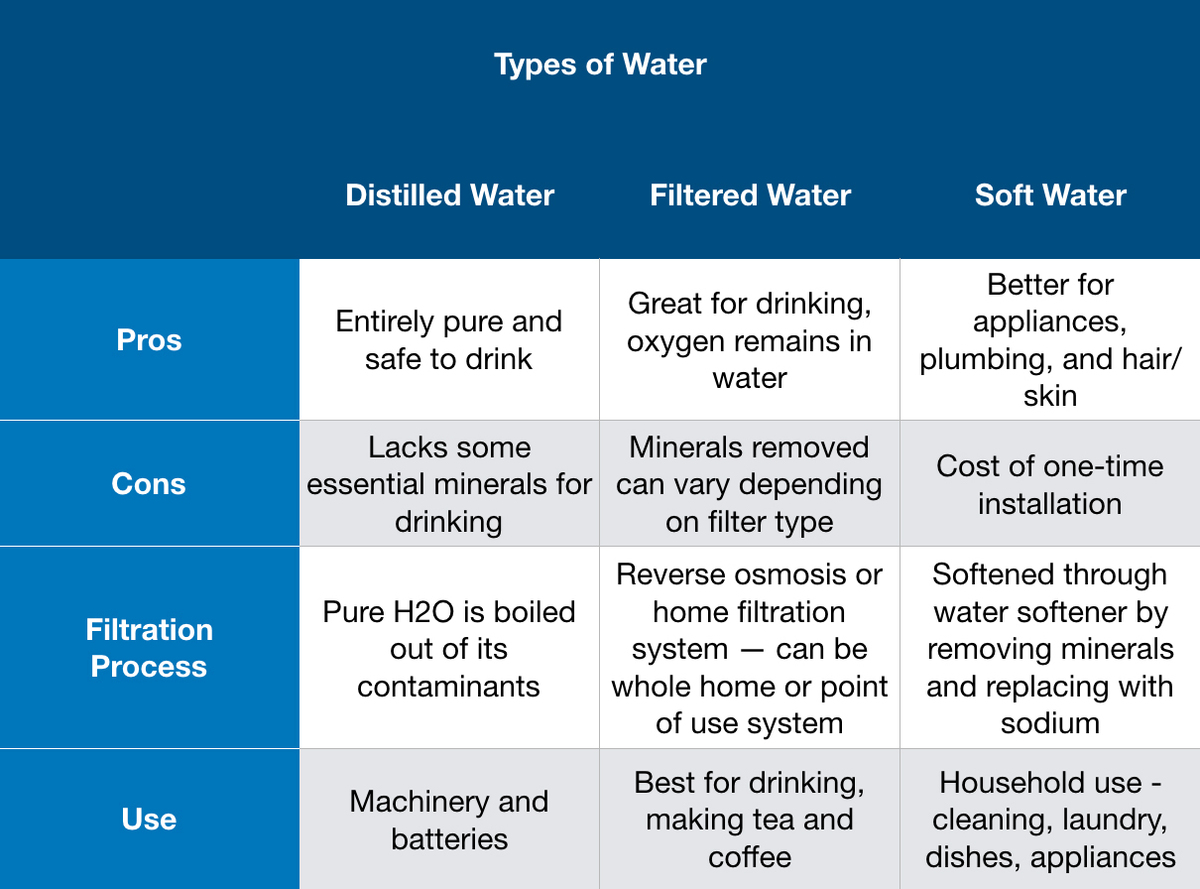 Distilled Water vs Tap Water: Is There a Difference? — WaterSmart
For coffee snobs and tea purists, distilled water is a disaster. Without minerals, the water can’t extract flavors properly. Your expensive artisanal beans will taste like brown sadness. Tap water, with its mineral makeup, actually helps pull out those nice coffee oils. So, sorry, distillation champions—your morning brew is safe with the faucet.
Safety: The “Will It Kill Me?” Factor
Tap water is regulated by the EPA and tested daily. It’s generally safe, but if your town’s pipes are from 1927, you might get rusty water that looks like iced tea. Distilled water is sterile—no bacteria, no viruses, no contaminants. But here’s the irony: If you store it in a dirty container for a week, distilled water becomes a perfect petri dish for bacteria because there are no minerals to compete with. Life always finds a way to ruin your perfectly pure plans.
One big win for distilled: It’s zero for heavy metals. You won’t get lead or copper poisoning from it. Tap water can sometimes contain trace amounts of arsenic or uranium (thank you, geology). So if your bones feel wobbly, maybe switch to distilled for a while. But, you know, check a map first—most of us are fine.
Cost and Environmental Guilt
Tap water is so cheap it’s practically free. A gallon costs a fraction of a cent. Distilled water? You’re looking at a buck or two per gallon at the store, or you can run a distillation machine for hours (goodbye, electricity bill). And let’s talk plastic bottles. Buying gallon jugs of distilled feels like a betrayal to Mother Earth. Tap water only creates plastic waste if you bottle it yourself.
That said, distilling at home is kind of a flex. You set up this countertop unit that looks like a steampunk coffee maker, and you wait. It’s a meditative process—like watching water argue with itself until one side surrenders. But I’d rather just drink from the faucet and save the time for scrolling through Instagram.
The Final Verdict (Spoiler: It Depends)
So here’s the messy truth: you don’t have to pick a side. Tap water is your everyday MVP—just filter it if your city’s water tastes like a science project. Distilled water is a specialist, like the weird kid with a soldering iron who only appears when something needs fixing. Dave and I are still friends, but now he hands me a glass of tap water, and I smile and say, “You know what? It’s fine.” What I really mean is: “Your noodles tasted like a public pool, but I respect your choices.”
Drink what works for you. Just don’t put distilled water in your espresso machine… or your hydroponic basil. That’s a conversation for another day. And for the love of all things hydrated, enjoy your water without overthinking it.
