Should There Be Water In My Water Softener

Let’s be honest: your water softener is not exactly the star of your home. It’s the quiet, hardworking cousin of your dishwasher, sitting in the garage or basement like a shy...
Let’s be honest: your water softener is not exactly the star of your home. It’s the quiet, hardworking cousin of your dishwasher, sitting in the garage or basement like a shy toddler at a family reunion. You probably only think about it when you run out of salt, or when your morning shower feels like you’re scrubbing with chalk. But then you hear that splash, or you peek inside, and a deep, unsettling question bubbles up: Should there be water in my water softener? Don’t panic. You are not alone, and you are not crazy—unless you’ve named it, which is a different kind of problem.
The Great Water Mystery
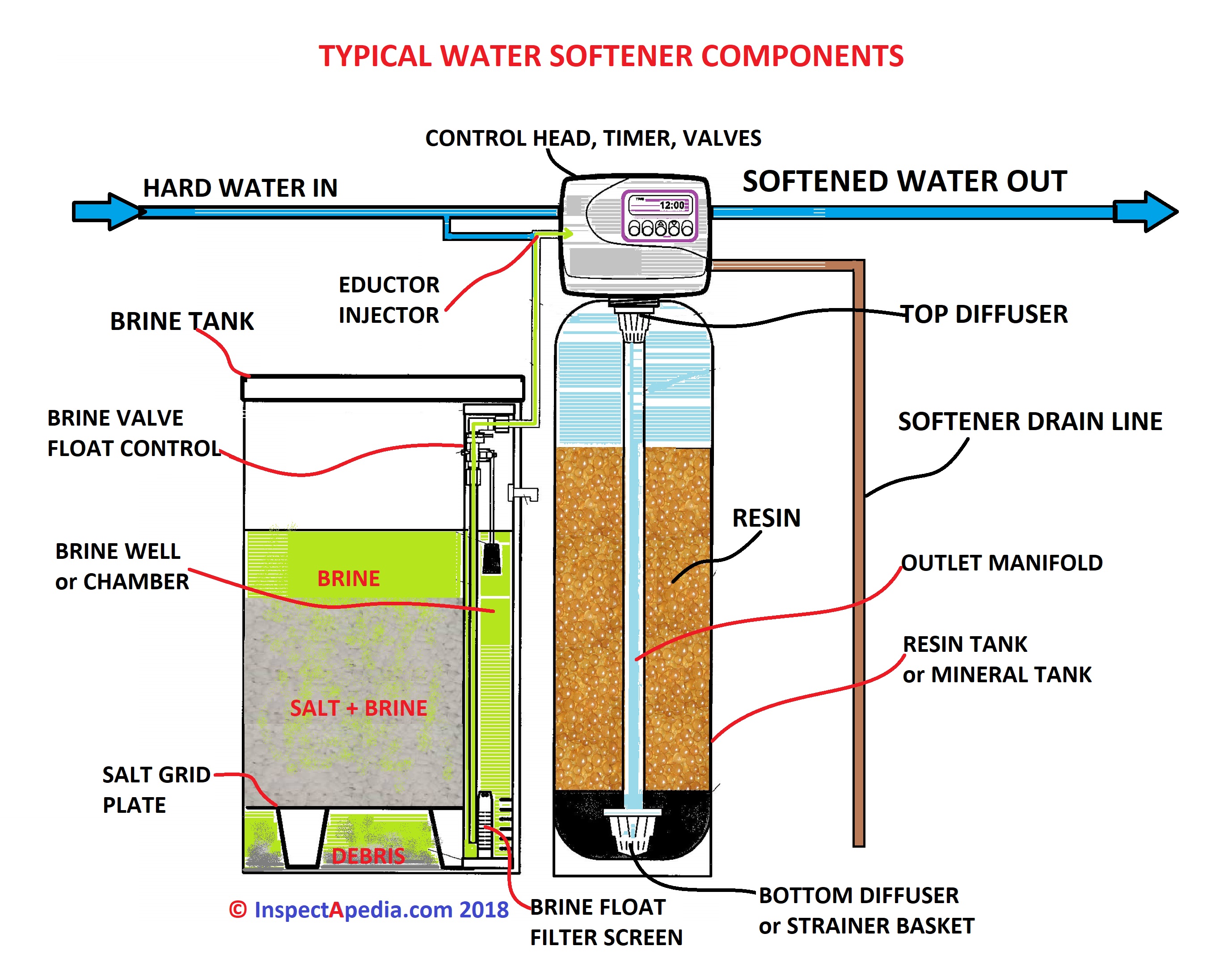
Imagine peeking under the hood of your car and finding a puddle in the engine. That’s the same dumbfounded feeling you get when you open the brine tank and see sloshing liquid. But here’s the plot twist: water is supposed to be in there. It’s not a leak. It’s not a flood. It’s the softener’s way of keeping its cool. The brine tank is basically a giant saltwater tuba—it fills with water to dissolve the salt, then uses that salty brine to kick those hard minerals out of your pipes. So yes, you can stop calling your plumber.
But let’s get real: how much water is too much? If the tank looks like a swimming pool for Barbie’s kayak, you might have an issue. A normal level is about halfway up the salt, maybe a little higher after a regeneration cycle. Anything that makes you want to grab a life jacket is a red flag. The real trick is to check the salt level, not the water level. If the water is clear and sitting quietly, you’re fine. If it’s murky and smells like a science experiment, we’ve got a different conversation.
Must Read
The Tale of the Flooded Brine Tank
I once had a neighbor who called me in a panic because his water softener sounded like a washing machine with a grudge. He opened the lid and found water up to the brim, with salt floating like sad little icebergs. Turns out, his brine valve was stuck open, so the tank just kept filling like a guest who doesn’t know when to leave the party. That’s the real villain: a stuck float or a clogged drain line. If your water level is over the salt and rising, call a pro before your basement turns into a saltwater aquarium.
On the flip side, a completely dry brine tank is like a car with no gas. If you lift the lid and it’s a dusty desert, your softener is just sitting there, twiddling its thumbs. Salt needs water to make brine, and brine needs to be there to soften your water. So dry tank means hard water is still partying in your pipes, leaving those crusty white spots on your glasses. Nobody wants to drink from a glass that looks like it has dandruff.
When Water is Your Friend (Mostly)
Here’s a funny truth: your water softener is basically a saltwater fish that lives in your house. It needs water to function, but it shouldn’t be a swimming pool. The ideal scenario is that you see a few inches of water under the salt, not over it. If you use pellet salt, it kind of looks like a snow globe that melted halfway. That’s totally fine. I once checked mine after a vacation and found a solid block of salt that looked like a petrified sponge—water was trapped underneath, and everything was working perfectly. I felt like a genius, but I really just got lucky.
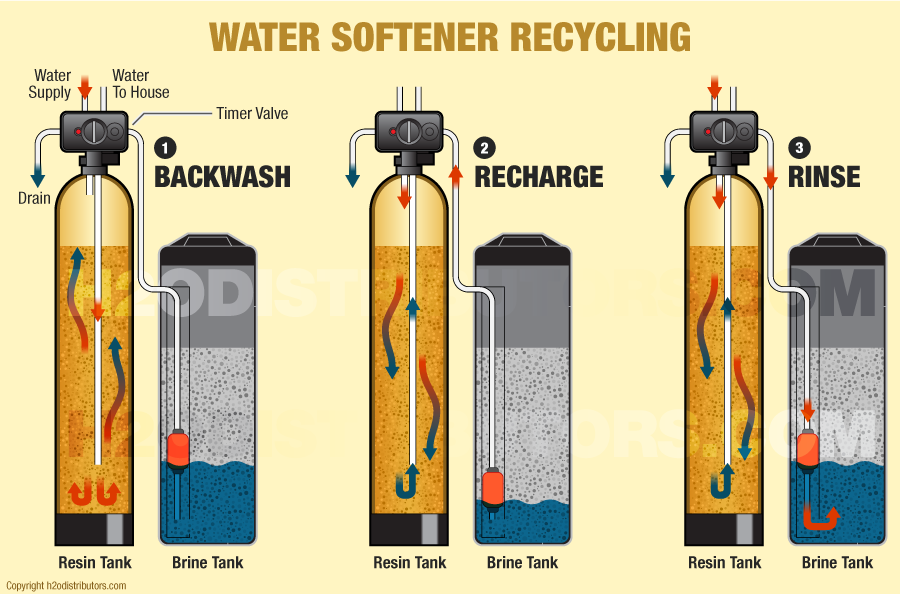 How Does A Water Softener Work Step By Step | Detroit Chinatown
If you’re still worried, do the knuckle test. Knock on the side of the tank—if it sounds hollow at the top but solid near the bottom, you’re golden. If it sounds like a drum full of water all the way up, you might have a problem. And for the love of all things clean, don’t shake the tank like you’re trying to wake up a teenager. That just makes a mess and disturbs the salt bed, which is the softener’s mattress.
The Bottom Line, Salt Included
So, should there be water in your water softener? Yes, absolutely. It’s like asking if there should be coffee in your coffee maker. But it’s also a question of balance. Too little water, and you get hard water sadness. Too much, and you’re hosting an indoor pond. The sweet spot is a modest amount that looks like a lazy puddle under a pile of salt. If you ever open the lid and see the water level is higher than the salt, that’s your cue to investigate. Otherwise, just let it do its thing and go enjoy that silky-feeling shower.
Remember: your water softener is a bit like a quiet, reliable friend who only speaks up when something’s wrong. If you treat it kindly—check the salt monthly, clean the tank once a year—it won’t surprise you with a flood. And if you ever hear a gurgle that sounds like a question, just nod and say, “Yes, there should be water in there.” Then go pour yourself a glass of that nice, soft water. You’ve earned it.
