Reverse Osmosis Water Filter Pros And Cons

So, you’re thinking about getting a reverse osmosis water filter. Maybe your tap water tastes like a swimming pool’s angry cousin. Or perhaps you just want to feel fancy drink...
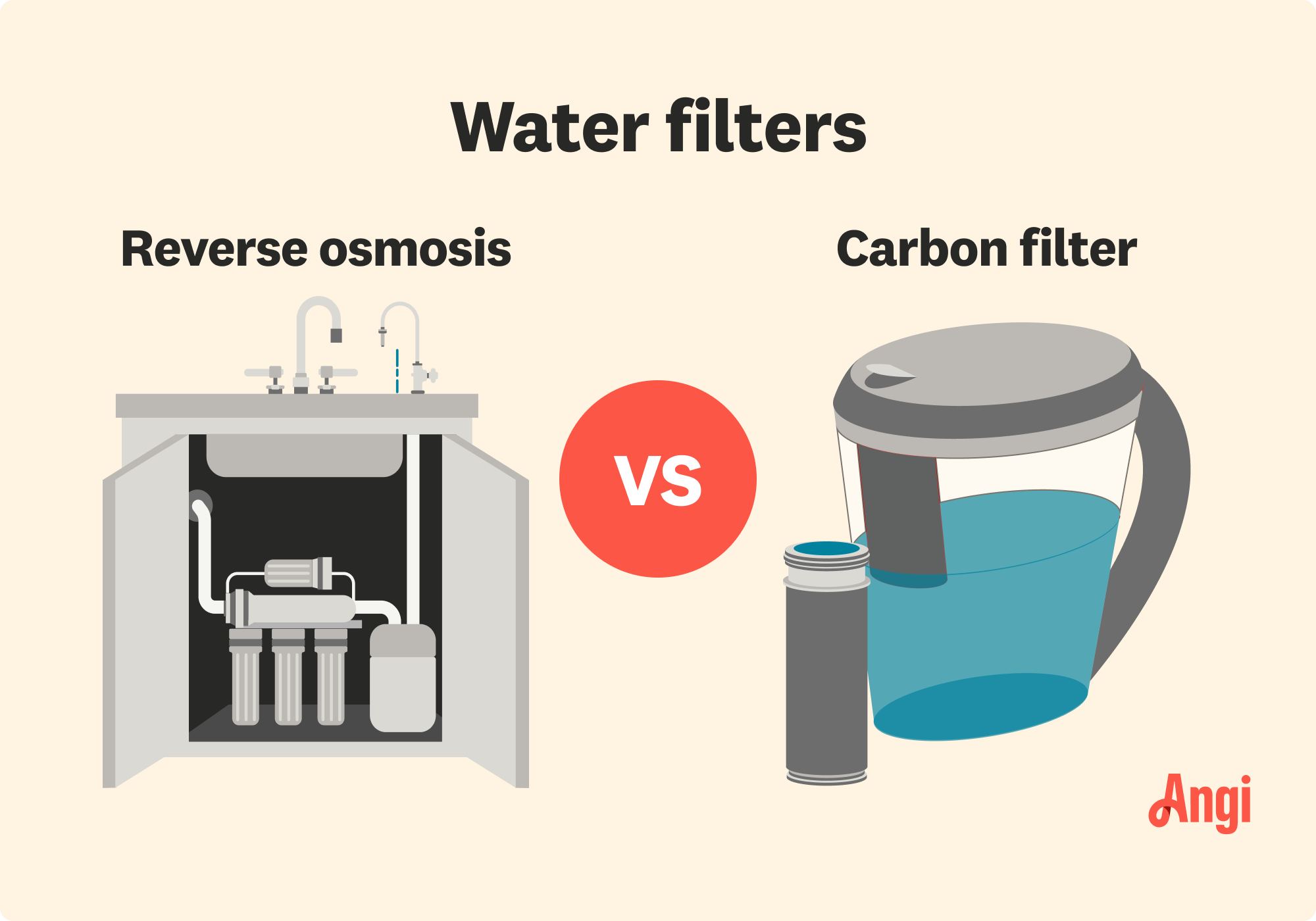
So, you’re thinking about getting a reverse osmosis water filter. Maybe your tap water tastes like a swimming pool’s angry cousin. Or perhaps you just want to feel fancy drinking something called “reverse osmosis.” Either way, let’s dive into the pros and cons together, like we’re chatting over a glass of (filtered) water.
What’s the Big Deal with Reverse Osmosis?
First, a quick reality check: reverse osmosis (RO) is like a superhero for your water. It pushes water through a special membrane that catches almost every impurity. Think of it as a bouncer at an exclusive club—only pure H2O gets past the velvet rope.
But, like any superhero, it has a kryptonite (or three). Let’s break down the good, the bad, and the slightly weird.
Must Read
The Pros: Why You’ll Feel Like a Water Wizard
1. It’s a Contaminant Annihilator. RO systems remove lead, chlorine, fluoride, arsenic, and even microplastics. If your tap water has a “mystery ingredient,” this filter probably kicks it out. You’ll be drinking water cleaner than a hospital operating room—but hopefully less sterile smelling.
2. Your Coffee and Tea Will Thank You. Ever notice how great coffee tastes at a fancy café? That’s partially due to filtered water. RO water lets the real flavor of your drink shine, not the metallic taste of tap water. Plus, you can brag that your ice cubes are “ultra-pure.” (Trust me, it’s a conversation starter at parties. Or a conversation ender. Your call.)
3. No More Bottled Water Guilt. You stop buying plastic bottles, which means you save money and the planet. Each RO filter is like a tiny environmental activist living under your sink. High-five that filter!
The Cons: Where the Slightly Frustrating Stuff Lives
1. Water Waste (Yep, It’s a Thirsty Beast). For every gallon of clean water, an RO system usually throws away 3–4 gallons. That’s a lot of water going down the drain. It’s like your filter is secretly a water-hogging pet. But don’t panic— you can use that waste water to water plants (just not the picky ones).
2. Price Tag: Not Exactly Pocket Change. A good RO system costs between $150 and $600, plus replacement filters every 6–12 months. That’s like buying a nice pair of sneakers and then paying for laces forever. Still, compare it to buying bottled water for a year—you’ll likely come out ahead.
3. It Strips Out Good Stuff Too. RO removes everything, including beneficial minerals like calcium and magnesium. Your water becomes “demineralized,” which sounds like a fancy spa treatment but can taste flat. Some people add mineral drops back in. Yes, seriously—people put minerals back into water they just paid to strip. Life is full of contradictions.
4. Slow and Steady (Like a Snail with a Mission). RO systems produce water slowly—about a gallon per hour. You’ll be that person standing by the sink, tapping your foot, waiting for a glass. “Hurry up, science!” Solution: get a storage tank or pre-fill a pitcher before bed.
 Reverse Osmosis Water Filters: Pros, Cons, Types and Suitability
Is It Worth the Hype? The Real Talk
Here’s the deal: if your tap water is gross—tastes like pennies, smells like bleach, or has scary contaminants—reverse osmosis is a game-changer. Your body will thank you for not drinking weird chemicals. Your taste buds will throw a party.
But if your water is already decent, an RO system might be overkill. You could just use a simple carbon filter (like a Brita) and call it a day. Remember: sometimes “good enough” is actually perfect.
Also, consider your lifestyle. Are you a “filter and forget” person? Or do you enjoy tinkering with gadgets and monitoring water pressure? RO systems need a bit of love—like changing filters and checking for leaks. It’s not high-maintenance, but it’s not invisible either.
A Quick Joke to Lighten the Water
Why did the reverse osmosis filter break up with the tap? Because it couldn’t handle the pressure! (Okay, that was bad. But I had to.)
Final Verdict: So, Should You Buy One?
If you’re a health nut, a coffee snob, or someone who just wants crystal-clear water without the plastic waste, go for it. Just be prepared for a little water waste and a flat taste that might need a mineral boost. It’s a trade-off, like choosing between a sportscar and a minivan—one is fun, the other is practical.
But here’s the uplifting part: whatever you decide, you’re already winning. Because you’re thinking about your health, your budget, and the planet. That’s more than most people do. Whether you buy an RO system or stick with a simple pitcher, you’re taking a step toward better water. And better water means better mornings, better tea times, and better hydration for your amazing self.
So fill up your glass—filtered or not—and take a sip. You deserve it. 😊
