Reverse Osmosis Water Filter Microplastics

Ever sipped water and wondered, “What else is in there?” You’re not wrong to ask. We’re swimming in a plastic soup. And I don’t mean the kind with croutons. Meet the unsung h...
Ever sipped water and wondered, “What else is in there?” You’re not wrong to ask. We’re swimming in a plastic soup. And I don’t mean the kind with croutons.
Meet the unsung hero of your kitchen: Reverse Osmosis. Sounds fancy, right? It’s basically water’s personal bouncer. It kicks out the troublemakers, including microplastics.
Wait, Microplastics Are Everywhere?
Yep. Your fleece jacket sheds them. Your car tires shave them off. Even your tea bag might be leaching plastic love. One study found we eat a credit card’s worth of plastic every week.
Must Read
That’s not a fun snack. It’s a weird, tiny alien invasion in your gut. And they’re not just chilling there—they might be messing with your hormones.
Enter the Plastic-Fighting Wizard
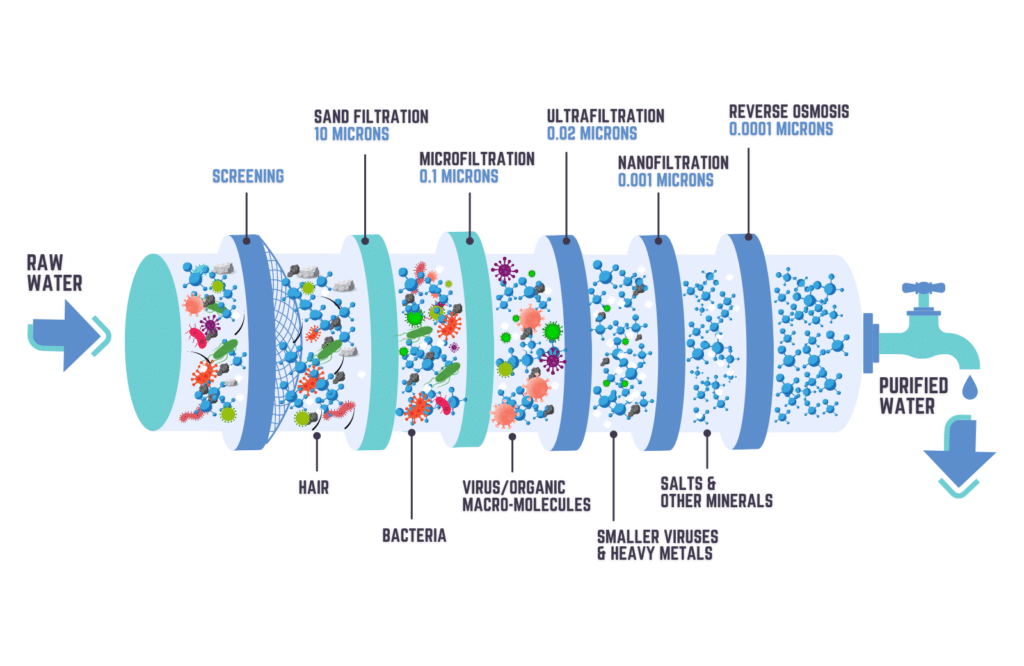
Reverse Osmosis uses pressure to push water through a super-fine membrane. Think of it as a microscopic colander. It catches particles smaller than a red blood cell.
That includes microplastics, which are hefty by comparison. It stops them dead in their tracks. It’s like a ninja for your tap.
Why Is This So Fun to Talk About?
Because the science is ridiculous. The membrane pores are 0.0001 microns wide. That’s 1/100,000th the width of a human hair. Viruses are too big to pass through. Think about that.
So you’re basically using God-tier filters to drink water. It’s overkill. Beautiful, absurd overkill.
And here’s a funny detail: The system wastes water. For every gallon of clean water, it might dump 3-4 gallons of “brine” down the drain. That brine is basically a concentrated plastic smoothie. You’re sending the microplastics back to the sewers. Take that, tiny pollutants.
But Does It Really Work?
Oh, absolutely. Lab tests show RO removes up to 99.9% of microplastics. That’s not a typo. It’s like having a garbage truck for nanoparticles.
Other filters, like activated carbon, get some. But they’re more like a dustpan. RO is the full hazmat suit.
One study found tap water had more microplastics than bottled water. So RO can even beat the bottle. You’re finally outsmarting the plastic age.
The Quirky Side Effects
Reverse Osmosis water tastes flat at first. It’s so pure it’s almost boring. Some people say it’s “dead” water. I call it “aggressively neutral.”
It also strips out good minerals like calcium. So you might want a remineralization cartridge. Or just eat a cheese stick. Balance is key.
But here’s the best part: You can test this yourself. Fill a glass with tap water. Fill another with RO water. Let them sit overnight. The tap water might grow a tiny biofilm army. The RO water? Crickets. It’s sterile. It’s your clean, defiant rebellion.
 Does Reverse Osmosis Remove Microplastics? RO vs. UF – Frizzlife
Why You Should Care (Without Panicking)
You don’t need to fear tap water. But it’s fun to know you have a secret weapon. It’s like having a lightsaber for lunch.
And the truth is, microplastics are still a mystery. Scientists are only starting to realize they can carry bacteria. We’re basically hosting microscopic hitchhikers. RO kicks them out of the car.
So go ahead. Install that system. Watch it drip. Know that every sip you take is cleaner than the rain. Unless it’s raining in Antarctica. Then you’re tied.
The Fun Part? You’re a Reverse Engineer Now
Next time you’re at a party, drop this: “You know, RO water is so pure it can actually dissolve plastic directly from pipes.” That’s why you need plastic-free tubing. The irony is delicious.
You can also brag that your water is cleaner than most bottled water. And it costs pennies per gallon. You’re a budget-savvy eco-warrior.
Plus, the maintenance is hilarious. You have to replace the pre-filters every 6 months. They turn brown. It’s like changing a dirty diaper for your water. Gross. Satisfying.
But Wait, There’s a Plot Twist
Not all RO systems are equal. Some cheap ones let nanoplastics slip through. Nanoplastics are smaller than microplastics. They’re the ninjas of the plastic world.
But a good, modern RO system catches those, too. Look for one with a “0.0001 micron” rating. That’s your magic number.
And if you’re feeling extra nerdy, taste test different waters. Distilled, RO, spring. You’ll notice RO is the silence of waters. It’s blank. It’s a canvas for your fruit infuser.
Final Thought: Drink Like a Supervillain
Reverse Osmosis makes you feel like a lab scientist. You’re engineering your own beverage. And you’re winning the fight against the invisible enemy.
Microplastics are the glitter of the modern world: they never go away. But with RO, you control the narrative. You’re the boss of your own hydration.
So next time you take a sip, smile. You just outsmarted a million tiny bits of yesterday’s garbage. Cheers to that.
Now go forth and confuse your friends with semi-accurate science. It’s the best kind of fun.
