What Water To Drink To Avoid Microplastics

Let’s be honest, we’ve all had that moment. You’re standing in the grocery aisle, sweating from the air conditioning, staring at a wall of water bottles. You want to be health...
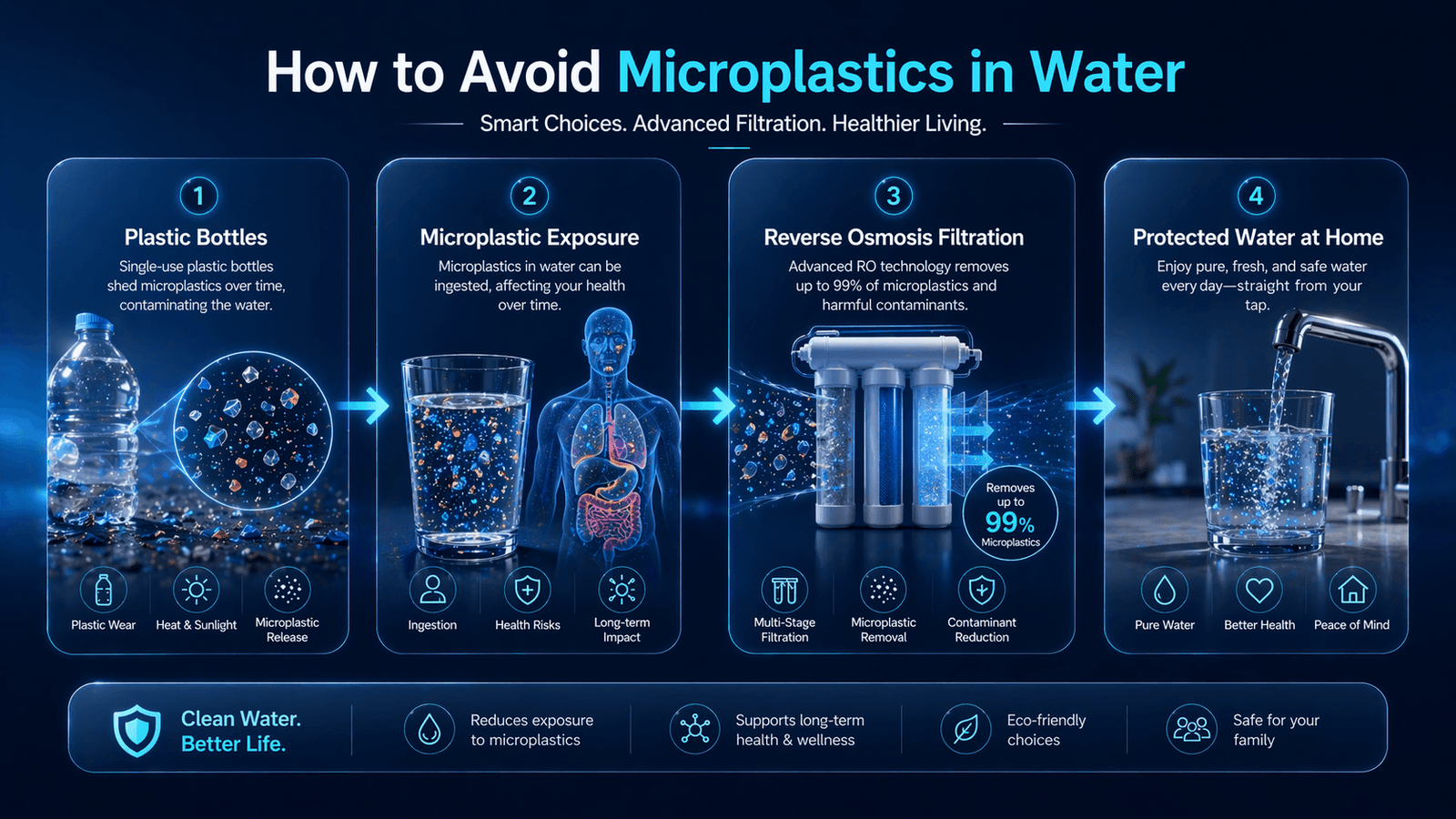
Let’s be honest, we’ve all had that moment. You’re standing in the grocery aisle, sweating from the air conditioning, staring at a wall of water bottles. You want to be healthy, but you’ve just read a headline that says, “Your bottled water is basically a soup of plastic!” Suddenly, that fancy mountain spring label looks a little suspicious. It’s like finding out your favorite salad is secretly loaded with cheeseburgers.
The Plastic Problem Hits Home (and Your Kidneys)
The bad news is that microplastics are everywhere. They’re in the rain, the salt, and even the beer you reward yourself with after a long week. A 2024 study found that a liter of bottled water can contain 240,000 plastic particles. That’s not a sip of water; that’s a mouthful of tiny Tupperware confetti.
But before you panic-switch to a strict diet of air, take a breath. The good news is you don’t have to live like a plastic-avoiding monk. You just need to choose your water like you choose your friends: wisely, and with a bit of skepticism. Let’s break down the options without the science jargon that makes your eyes glaze over.
Must Read
The Tap Water Tango
Your local tap water is the unsung hero of this story. It’s cheap, it’s regulated, and it’s usually safer than you think. The problem is that it still travels through pipes that might be older than your grandma’s favorite recipe. These pipes, especially if they’re plastic, can shed tiny bits into your glass. It’s like your water went on a road trip and picked up a hitchhiker.
But here’s the trick: you can become a water DJ. Invest in a simple carbon filter (the kind that goes on your faucet or in a pitcher). It’s not a miracle worker, but it captures a shocking amount of the bigger plastic pieces and nasty stuff like chlorine. It’s the equivalent of giving your water a nice, dry martini shaker before it hits your lips. Your water will taste clean, and you’ll feel like a home improvement ninja.
The Glass Bottle Elegance (with a Side of Pretension)
If you’re buying bottled, stop grabbing the flimsy, crinkly plastic bottles. Those are the fast food of hydration. Instead, look for water in glass bottles. It costs a little more, and you might feel a bit bougie carrying it around, but it’s the safest bet. Glass doesn’t leach anything into the water. It’s the water’s version of a peaceful, quiet cabin in the woods.
Think of it this way: plastic bottles are that friend who always shows up late and brings drama. Glass bottles are the friend who brings a charcuterie board and remembers your birthday. Yes, they’re heavier to carry. But your kidneys will throw a tiny thank-you party every time you drink from one.
The Countertop Alchemist: Distilled Water
Now, for the overachievers. You can buy a countertop distiller. It boils water, catches the steam, and leaves all the plastic (and minerals) behind. The result is water so pure it’s almost suspicious. It tastes a bit flat, like water that forgot its personality. It’s the water equivalent of a white room with no furniture.
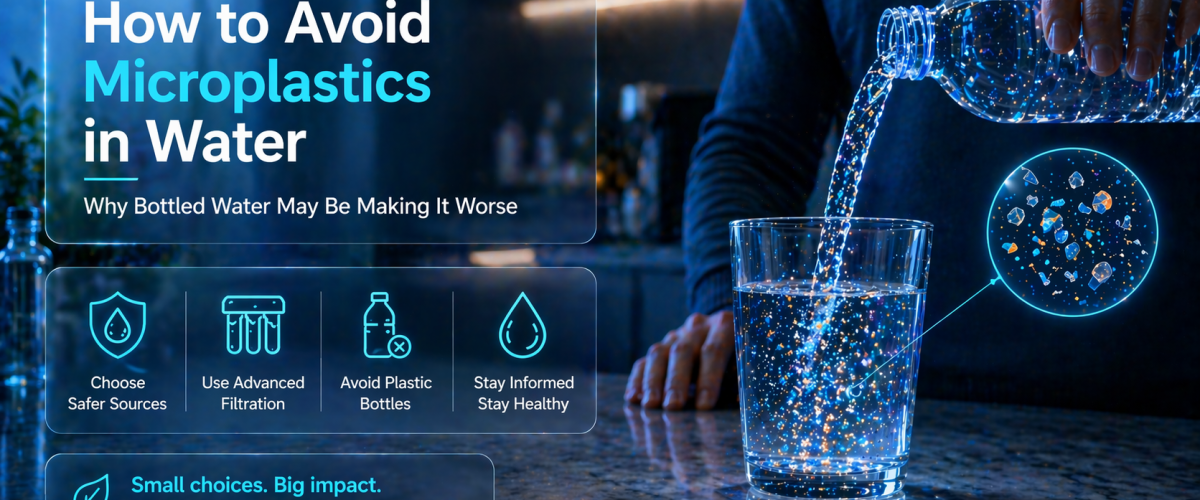 How to Avoid Microplastics in Water in 2026?
Is it necessary? For most people, no. It’s like buying a race car to drive to the grocery store. But if you’re a serious hypochondriac or you have a deep, personal vendetta against plastic, it works. Just add a pinch of salt or a mineral drop to give it some life, or it might suck the flavor right out of your morning coffee. I tried it once, and my coffee tasted like a sad, deconstructed argument.
The Funny Truth About Canned Water
You might have spotted canned water at the store. It looks cool, like you’re drinking a fancy seltzer. But here’s the kicker: most cans are lined with a plastic epoxy to prevent the metal from corroding. So, you might be trading a plastic bottle for a metal can with a plastic hat. It’s like running away from a bear and climbing a tree full of bees. You’re not exactly winning.
If you must buy single-serve, check if the can says “BPA-free lining.” It’s better, but not perfect. The real takeaway? Use a refillable stainless steel bottle. Fill it from your filtered tap at home. It’s cheaper than a therapy session, and it saves the planet. Plus, you get to look like a very responsible adult, even if you’re just trying to find your keys in the couch.
The “I’m Too Tired For This” Guide
Look, I get it. You’re busy. You don’t have time to analyze the molecular structure of your hydration. So here’s the cheat sheet: Tap water + a Brita filter + a stainless steel bottle is the holy trinity of sensible living. It’s the avocado toast of water. It’s basic, it works, and it makes you feel a little superior.
Don’t stress about the occasional plastic particle. Your body is tougher than you think. The goal isn’t to be perfect; it’s to be better. So, next time you reach for a drink, think of it as a tiny rebellion. You’re not just drinking water; you’re flipping the bird at plastic pollution, one sip at a time. And that? That’s a toast worth making.
